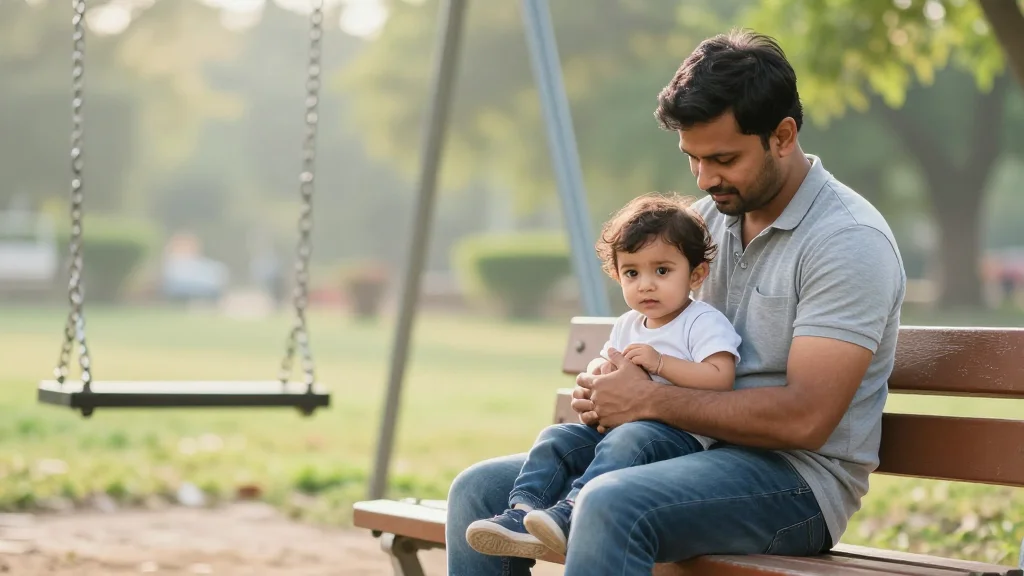
Actor Imran Khan Calls Out Lack of Support for Single Fathers on Mom Talks

Why It Matters
The visibility of a high‑profile actor discussing single‑father challenges brings a rarely heard perspective into mainstream conversation, highlighting systemic gender bias in parental support structures. When single fathers are excluded from informal networks—such as playdate arrangements—they risk reduced socialization opportunities for their children, which can affect developmental outcomes. Moreover, the stigma around men expressing vulnerability hampers mental‑health support, potentially leading to isolation and burnout. Addressing these gaps is crucial for achieving true parental equity. Policy makers, educators, and community leaders must recognize that caregiving responsibilities are not gender‑specific and design programs—like flexible school visitation policies and father‑focused support groups—that accommodate all single caregivers. By normalizing single‑father households, societies can foster more inclusive environments that benefit children, parents, and the broader community.
Key Takeaways
- •Imran Khan revealed repeated refusals for his daughter’s playdates due to his status as a single father.
- •Host Parineeti Chopra contrasted the empathy gap, noting single mothers typically receive more support.
- •Khan described his daily caregiving routine, emphasizing hands‑on involvement despite social hurdles.
- •Experts warn that exclusion of single fathers from informal networks can impact child development.
- •Advocates call for inclusive school policies and community programs that support all single caregivers.
Pulse Analysis
Imran Khan’s candid admission underscores a cultural blind spot that has long persisted in India’s parenting narrative. While single‑mother households have become a focal point for NGOs and government schemes, single fathers remain largely invisible in policy discussions. This asymmetry is rooted in traditional gender roles that equate caregiving with femininity, leaving men who step into that space to navigate a social landscape that questions their suitability.
The media spotlight on Khan could act as a tipping point. Celebrity influence in India often translates into rapid shifts in public opinion, as seen with previous campaigns on health and education. If Khan leverages his platform to partner with NGOs or lobby for school‑level changes—such as neutral playdate invitation protocols—the conversation could move from anecdotal to actionable. However, lasting change will require structural adjustments: training for teachers on gender‑neutral language, community outreach that includes fathers, and the creation of support groups that address the emotional stigma men face.
In the longer term, normalizing single‑father families may also reshape market dynamics. Companies that produce children’s products, educational content, and family‑oriented services could see a new demographic emerging, prompting tailored marketing and product development. As societal attitudes evolve, we may witness a broader redefinition of fatherhood that embraces emotional openness and shared caregiving, ultimately fostering a more equitable environment for all parents.
Actor Imran Khan Calls Out Lack of Support for Single Fathers on Mom Talks
Comments
Want to join the conversation?
Loading comments...