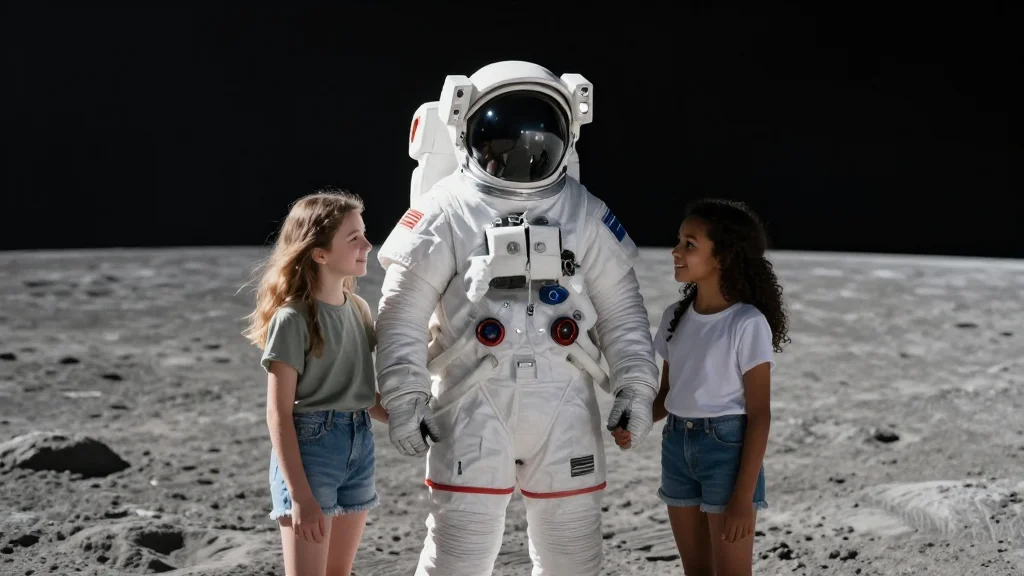
Astronaut Reid Wiseman Juggles Artemis II Command and Single Fatherhood

Companies Mentioned

NASA
Why It Matters
Wiseman’s story puts a human face on the abstract notion of space exploration, illustrating how single fathers in high‑stakes professions manage risk, grief, and daily parenting. By openly discussing estate planning and emotional resilience, he challenges the stereotype of the detached astronaut and encourages broader workplace policies that support family continuity. The visibility of his experience may inspire other single parents to pursue demanding careers, while prompting employers to design more inclusive support structures. In the broader fatherhood discourse, Wiseman’s example underscores that parental responsibility does not diminish with professional ambition. His candidness may influence public attitudes toward work‑life integration, especially in fields where long training periods and remote assignments are common. As more families navigate similar dynamics, his narrative could become a reference point for policy makers, employers, and advocacy groups seeking to balance career excellence with parental duties.
Key Takeaways
- •Reid Wiseman, commander of Artemis II, is preparing for a 10‑day lunar mission while raising two teenage daughters alone.
- •He walked his daughters through his will and trust documents, emphasizing transparency about mission risks.
- •Wiseman describes single fatherhood as his "greatest challenge and the most rewarding phase" of his life.
- •NASA has expanded family‑support services, but Wiseman’s case highlights ongoing gaps for single parents in astronaut training.
- •The next public update on Artemis II is slated for early May 2026, where Wiseman may discuss both mission readiness and family preparations.
Pulse Analysis
Reid Wiseman’s dual role as a lunar commander and single father crystallizes a tension that has long existed in high‑risk professions: the pull between personal ambition and parental duty. Historically, astronaut biographies have focused on technical prowess and mission success, often glossing over family dynamics. Wiseman’s willingness to broadcast his private planning signals a shift toward greater authenticity, likely driven by a cultural moment that values work‑life transparency.
From a market perspective, his narrative could accelerate demand for employer‑provided family services, especially as commercial spaceflight firms like SpaceX and Blue Origin scale up crewed missions. Companies that can demonstrate robust support for single parents may attract top talent, creating a competitive advantage in a talent‑tight industry. Moreover, Wiseman’s story may influence congressional oversight of NASA’s human‑resources policies, prompting budget allocations for counseling, flexible scheduling, and on‑site childcare.
Looking ahead, the real test will be whether Wiseman’s approach translates into measurable outcomes—lower attrition rates among astronaut parents, improved mission morale, and perhaps a new standard for family‑centric planning in other high‑risk sectors such as deep‑sea research or nuclear energy. If his experience proves replicable, it could redefine the archetype of the astronaut from a solitary explorer to a more relatable, family‑integrated professional.
Astronaut Reid Wiseman Juggles Artemis II Command and Single Fatherhood
Comments
Want to join the conversation?
Loading comments...