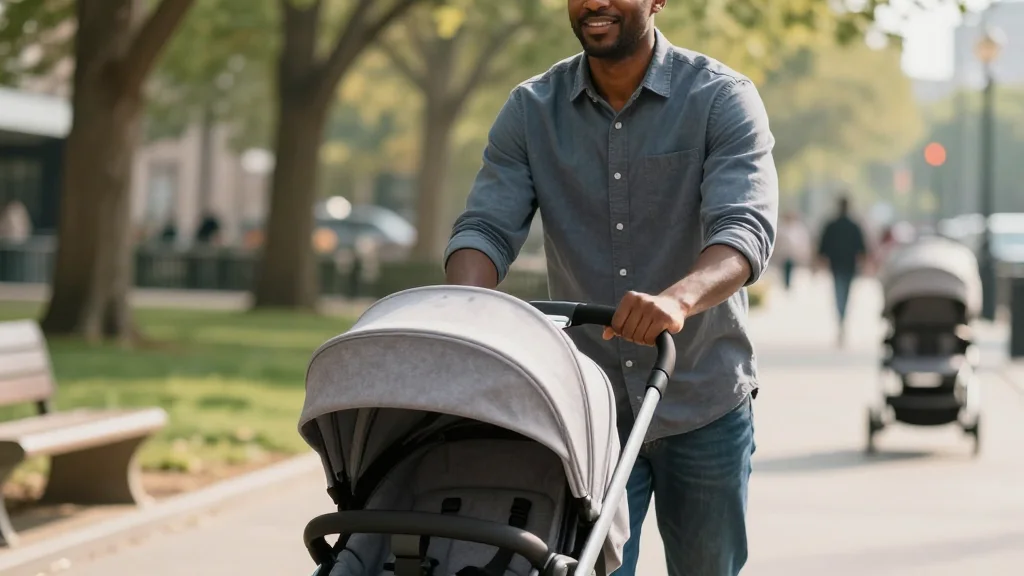
Baltimore Mayor Launches First Father's Stroller Walk to Spotlight Black Fathers

Why It Matters
The Father’s Stroller Walk tackles entrenched stereotypes that have long painted Black fathers as absent, offering a counter‑narrative that emphasizes daily involvement and emotional presence. By creating a public platform for Black fathers, the initiative not only reshapes cultural perceptions but also lays groundwork for policy interventions that address the socioeconomic challenges many fathers face. Visibility can translate into increased funding for father‑focused programs, better health outcomes for children, and stronger community ties. Moreover, the event signals a shift in municipal leadership toward inclusive family policies. When a city’s highest elected official publicly models engaged parenting, it validates the role of fathers in child development and may encourage other cities to adopt similar approaches, potentially sparking a broader national conversation about paternal responsibility and support.
Key Takeaways
- •Mayor Brandon Scott announced Baltimore's first Father’s Stroller Walk for June 18.
- •The event aims to showcase engaged Black fathers and counter negative stereotypes.
- •CDC data shows Black fathers living with their children are most involved in daily care.
- •Councilman Paris Gray highlighted the importance of small, everyday moments.
- •Organizers plan to use the walk as a springboard for expanded father‑focused services.
Pulse Analysis
Baltimore’s Father’s Stroller Walk represents a strategic blend of symbolism and policy ambition. Historically, municipal initiatives targeting fatherhood have struggled to move beyond awareness campaigns. By centering the event around a tangible, visual activity—pushchairs in public streets—the city creates a memorable image that can be leveraged in future grant applications and community outreach. The involvement of the mayor and a council member adds political weight, suggesting that follow‑up resources may be allocated to father‑centric programs.
The timing—just before Father’s Day—maximizes media attention and aligns with broader cultural moments that celebrate parenting. This synchronicity could amplify the narrative beyond local news cycles, attracting national outlets interested in stories of urban innovation and social equity. However, the initiative’s long‑term impact will depend on whether the city can translate the walk’s visibility into measurable outcomes, such as increased enrollment in parenting classes, higher rates of father‑child interaction, and reduced disparities in child health metrics.
If Baltimore can demonstrate concrete benefits, the Father’s Stroller Walk could become a template for other cities grappling with similar stereotypes and socioeconomic challenges. The model’s scalability hinges on its ability to partner with community organizations, secure sustainable funding, and embed fatherhood support into existing social services. In that sense, the walk is both a cultural statement and a test case for policy integration, offering a rare opportunity to observe how symbolic actions can catalyze systemic change.
Baltimore Mayor Launches First Father's Stroller Walk to Spotlight Black Fathers
Comments
Want to join the conversation?
Loading comments...