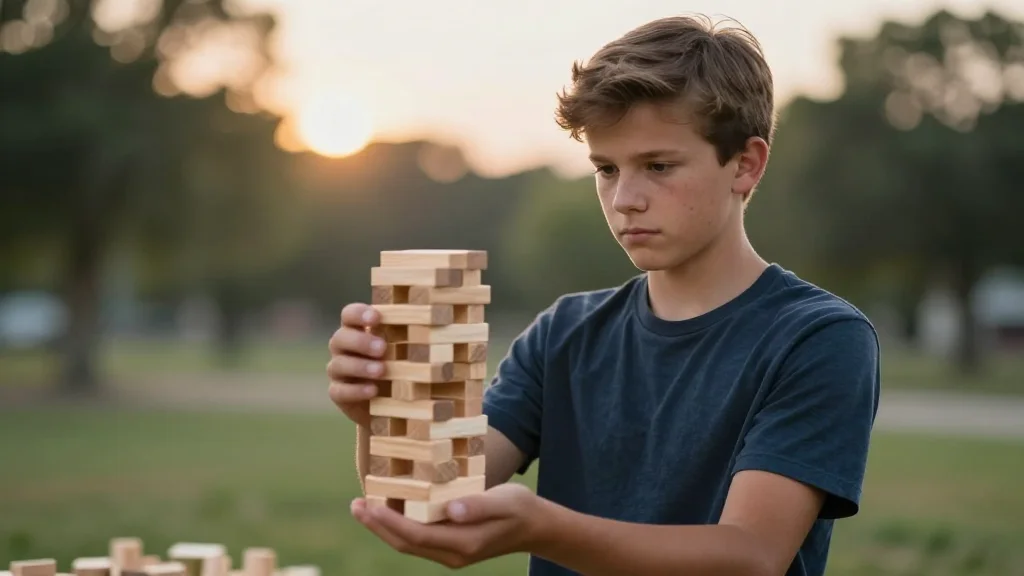
Child Psychologist Urges Fathers to Let Teens Fail to Build Resilience

Why It Matters
The psychologist’s warning arrives at a time when mental‑health concerns among adolescents are at historic highs, with anxiety and depression rates climbing in many countries. By highlighting the role of fathers in resilience‑building, the piece reframes paternal involvement from a protective instinct to a developmental catalyst, potentially reducing long‑term mental‑health costs. Moreover, the emphasis on failure‑learning challenges the prevailing “helicopter parenting” model, urging a cultural shift that could improve academic performance, social competence, and future workforce adaptability. If fathers adopt the recommended approach, teens may develop stronger self‑efficacy, better coping strategies, and a healthier relationship with risk. This could translate into lower dropout rates, reduced reliance on therapeutic interventions, and a generation better equipped to navigate an increasingly complex, digital world.
Key Takeaways
- •Child psychologist cites a 15‑year‑old’s basketball team disappointment as a case study.
- •Father’s reaction: “In our time, we just accepted it and moved on,” and “Kids today are too sensitive.”
- •Over‑protective parenting can erode teens’ frustration tolerance.
- •Psychologist recommends intentional failure‑learning to build resilience.
- •Upcoming parenting workshops will focus on “tap‑in‑tap‑out” strategies for fathers.
Pulse Analysis
The call for failure‑learning reflects a broader backlash against over‑protective parenting that has been gaining traction in Western and Asian media alike. Historically, resilience was a by‑product of economic hardship and limited safety nets; today, digital amplification of setbacks creates a new form of chronic stress. Fathers, traditionally seen as authority figures, are uniquely positioned to recalibrate this dynamic because their interventions are often perceived as final and decisive.
From a market perspective, this narrative opens opportunities for educational tech firms and mental‑health platforms to develop tools that simulate low‑stakes failures—such as gamified problem‑solving modules—that allow teens to practice coping in a controlled environment. Simultaneously, publishers and parenting coaches can monetize workshops that teach fathers how to balance support with autonomy. The psychologist’s upcoming guide could become a cornerstone resource, driving demand for ancillary services like coaching certifications and curriculum integration.
Looking ahead, the success of this paradigm shift will hinge on measurable outcomes. Schools that embed failure‑learning into curricula could track reductions in absenteeism, disciplinary incidents, and counseling referrals. If data supports the psychologist’s thesis, policymakers may endorse resilience‑building as a public‑health priority, potentially reshaping funding streams for youth development programs. For now, the conversation underscores a critical inflection point: fathers who adapt their parenting style may not only improve individual teen outcomes but also influence the next generation’s capacity to thrive amid perpetual change.
Child Psychologist Urges Fathers to Let Teens Fail to Build Resilience
Comments
Want to join the conversation?
Loading comments...