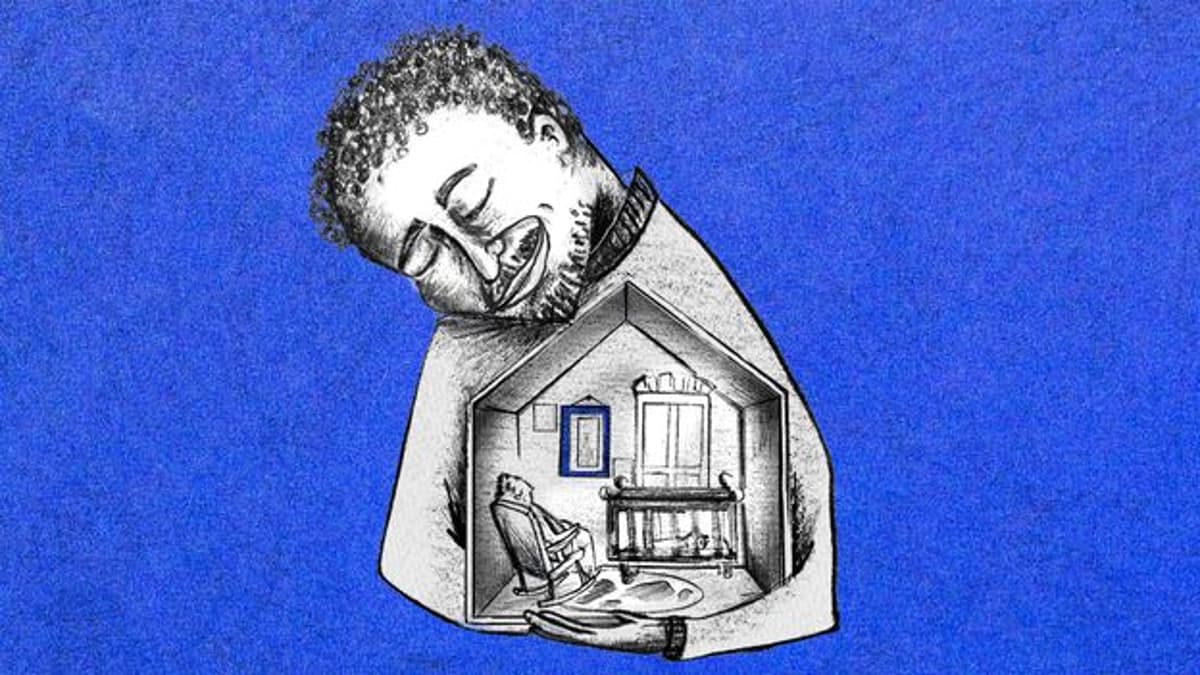
Dad Brain: How Fatherhood Remakes Men's Minds
Why It Matters
Understanding the biology of paternal care highlights the need for policies that support active fatherhood, directly benefiting family health and child development.
Key Takeaways
- •Fathers' testosterone drops as childcare involvement increases
- •Oxytocin rises in dads during infant contact, boosting bonding
- •Brain scans show neural rewiring in new fathers, similar to adolescence
- •Hormonal shifts begin before birth, influencing paternal engagement
- •Active fatherhood linked to better child heart health and family wellbeing
Pulse Analysis
The scientific community is converging on a clear picture: becoming a dad is not just a cultural role but a biologically driven transition. Early 2000s studies first documented lower testosterone in fathers, and recent longitudinal work in the Philippines confirmed that men who take on childcare responsibilities experience the steepest hormonal declines. Parallel rises in oxytocin and prolactin enhance nurturing behavior, while suppressed vasopressin reduces aggression, creating a hormonal environment primed for bonding. These shifts begin during pregnancy, suggesting that cues from a pregnant partner—whether pheromonal or psychological—activate the paternal endocrine system before the baby arrives.
Neuroimaging adds another layer, showing that first‑time fathers undergo measurable brain changes. Scans reveal heightened activity in social‑cognitive networks, such as the medial prefrontal cortex, contrasting with the instinctual amygdala response typical of mothers. When gay men assume primary caregiving duties, their brain patterns mirror those of mothers, underscoring the plasticity of the "alloparental substrate" described by primatologist Sarah Hrdy. Researchers liken this neural remodeling to adolescence, a critical period when the brain adapts to new social demands, reinforcing the idea that paternal involvement reshapes cognition as much as physiology.
The implications extend beyond academia. Robust hormonal and neural adaptations translate into tangible family benefits: children of engaged fathers exhibit better heart health, and mothers report lower stress levels across diverse cultures. Policymakers can leverage this evidence to expand paternal‑leave programs, encouraging dads to participate from prenatal appointments through early infancy. By aligning workplace practices with the biology of fatherhood, societies can foster stronger, healthier families and capitalize on the evolutionary potential that lies dormant in every man.
Dad brain: How fatherhood remakes men's minds
Comments
Want to join the conversation?
Loading comments...