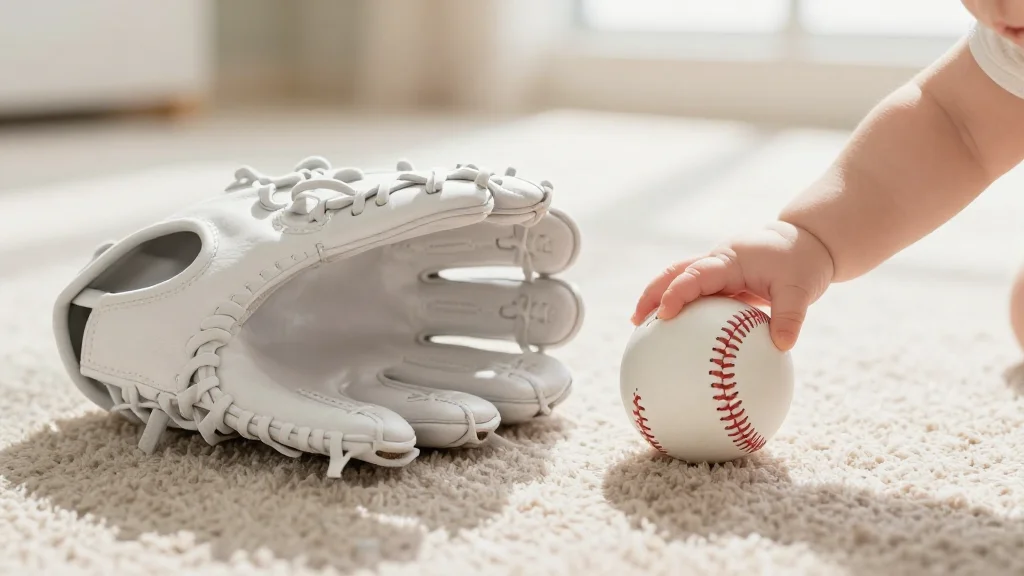
Dodgers’ Freddie Freeman Takes Paternity Leave, Giving Rookie Ryan Ward MLB Debut

Why It Matters
Freeman’s paternity leave does more than fill a roster slot; it normalizes fatherhood within a high‑visibility profession that has traditionally downplayed family commitments. By publicly embracing parental leave, the Dodgers send a message that personal milestones are compatible with elite performance, potentially influencing other leagues to adopt similar policies. The situation also illustrates how modern baseball teams can use depth as a lever for social progress. When a veteran steps away for family reasons, the organization’s farm system becomes a conduit for both talent evaluation and cultural signaling, reinforcing the idea that supportive workplace policies can coexist with a winning strategy.
Key Takeaways
- •Freddie Freeman placed on three‑day paternity leave, missing three Dodgers games
- •Ryan Ward, 28, promoted from Triple‑A Oklahoma City to start at first base
- •Ward posted a .324 average and 1.020 OPS in the minors before his call‑up
- •Dodgers manager Dave Roberts urged Ward to “knock the door down” in his debut
- •Freeman’s leave highlights MLB’s new paternity‑leave policy and its impact on roster management
Pulse Analysis
The Dodgers’ handling of Freeman’s paternity leave reflects a growing convergence between sports and corporate HR practices. Historically, professional athletes have faced cultural pressure to prioritize competition over family, but the league’s recent collective bargaining changes have codified a more balanced approach. This shift is not merely symbolic; it creates tangible roster flexibility that teams can exploit to test prospects in real game situations.
From a competitive standpoint, the Dodgers are uniquely positioned to turn a personal event into a strategic advantage. Their deep farm system, bolstered by advanced analytics, allows them to identify players like Ward who can step in with minimal disruption. If Ward’s performance validates the organization’s scouting, the episode could accelerate a broader trend where clubs view parental leave as a low‑risk talent‑development tool rather than a scheduling headache.
Looking ahead, the real test will be whether other franchises adopt a similar mindset. Should Freeman’s brief absence translate into a successful debut for Ward, we may see a ripple effect: more teams could proactively schedule short‑term roster moves around parental‑leave windows, and players might feel empowered to take advantage of their rights without fearing career repercussions. In that sense, a three‑game paternity leave could become a catalyst for a more family‑friendly culture across professional sports.
Dodgers’ Freddie Freeman Takes Paternity Leave, Giving Rookie Ryan Ward MLB Debut
Comments
Want to join the conversation?
Loading comments...