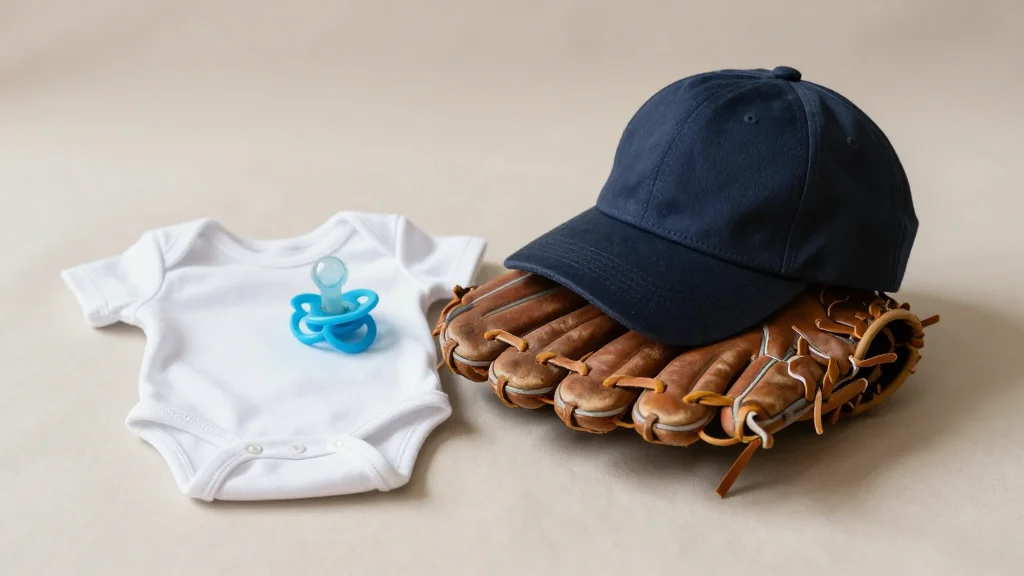
Dodgers Move Freddie Freeman to Paternity List, Sparking Debate on MLB Fathers' Rights

Why It Matters
Freddie Freeman’s placement on the paternity list puts a spotlight on how major sports leagues accommodate new fathers, a topic that resonates beyond baseball. As companies across the economy grapple with parental‑leave policies, MLB’s approach serves as a high‑visibility case study for balancing competitive demands with family responsibilities. The outcome of ongoing labor talks could reshape benefits for thousands of players and set a benchmark for other professional sports. Beyond the league, the story underscores the cultural shift toward recognizing fathers’ roles in early childcare. By publicly navigating paternity leave, high‑profile athletes like Freeman help normalize the practice, potentially influencing public opinion and corporate policy in sectors where paternal leave remains limited.
Key Takeaways
- •Freddie Freeman placed on MLB’s ten‑day paternity list on April 19, 2026
- •Rookie Ryan Ward made his major‑league debut as a direct result of the roster move
- •MLB’s paternity‑list policy, introduced in 2022, grants fathers ten days of leave
- •Dodgers manager Dave Roberts praised Ward’s perseverance after 696 minor‑league games
- •The incident fuels debate over extending paternity leave in professional sports
Pulse Analysis
The Dodgers’ roster maneuver illustrates a growing tension between competitive imperatives and evolving workplace expectations. Historically, professional sports have treated parental leave as a logistical footnote, but the increasing visibility of players like Freeman signals a shift. As athletes become more vocal about family needs, leagues must reconcile performance pressures with the demand for equitable benefits.
From a labor‑relations perspective, the episode could accelerate discussions in the upcoming MLB collective‑bargaining agreement. Unions may leverage high‑profile cases to argue for longer leave periods or supplemental support, such as childcare resources, that align with trends in corporate America. Teams that adapt quickly could gain a reputational edge, attracting talent that values family‑friendly policies.
Looking ahead, the ripple effect may extend to other leagues that still lack formal paternity provisions. If MLB expands its policy, it could set a de‑facto standard, prompting the NFL, NBA, and NHL to reevaluate their own frameworks. For now, the Dodgers’ decision offers a concrete example of how a single roster change can ignite broader societal conversations about fatherhood and work‑life balance.
Dodgers move Freddie Freeman to paternity list, sparking debate on MLB fathers' rights
Comments
Want to join the conversation?
Loading comments...