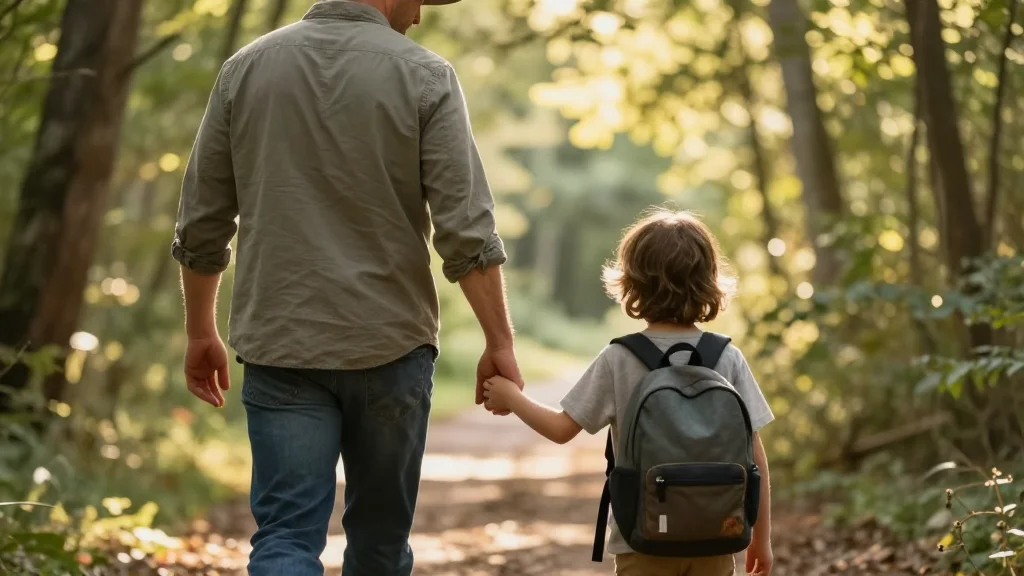
Don’t Let This Hold Them Back From Learning
Why It Matters
Experiential learning deepens student engagement and prepares a more adaptable future workforce, highlighting the need for schools and families to collaborate on flexible attendance policies.
Key Takeaways
- •Real‑world experiences complement classroom instruction
- •Flexible attendance fosters curiosity and critical thinking
- •Parents act as primary educators outside school
- •Missing experiential opportunities can limit lifelong learning
- •Schools benefit when families communicate attendance flexibility
Pulse Analysis
Recent research underscores a growing consensus that education extends far beyond the four walls of a traditional classroom. Studies from the Brookings Institution and the OECD show students who regularly engage in field trips, community projects, or cultural outings score higher on problem‑solving assessments and retain information longer. This shift mirrors corporate trends where on‑the‑job immersion and cross‑functional projects are prized over rote training. By treating the world as a supplemental syllabus, parents can help children develop the adaptability and curiosity that modern employers value.
Parental involvement has always been a cornerstone of early development, but today it also functions as a strategic partnership with schools. When families coordinate with teachers to schedule absences for museum visits, volunteer work, or family reunions, they reinforce the lesson that learning is a continuous, context‑driven process. Companies such as Google and Patagonia already embed experiential learning into employee development, recognizing that real‑world challenges sharpen critical thinking. Similarly, children who experience diverse environments develop empathy and cultural competence—skills that translate directly into collaborative, innovative workplaces.
Practically, parents can adopt a proactive approach: maintain a shared calendar with educators, outline learning objectives for each outing, and document reflections afterward. Schools can support this by offering flexible attendance policies and integrating experiential projects into curricula. As education policy evolves, the alignment of classroom instruction with real‑world experiences will likely become a benchmark for school quality, ensuring that students graduate not just with grades, but with a portfolio of lived learning.
Don’t Let This Hold Them Back From Learning
Comments
Want to join the conversation?
Loading comments...