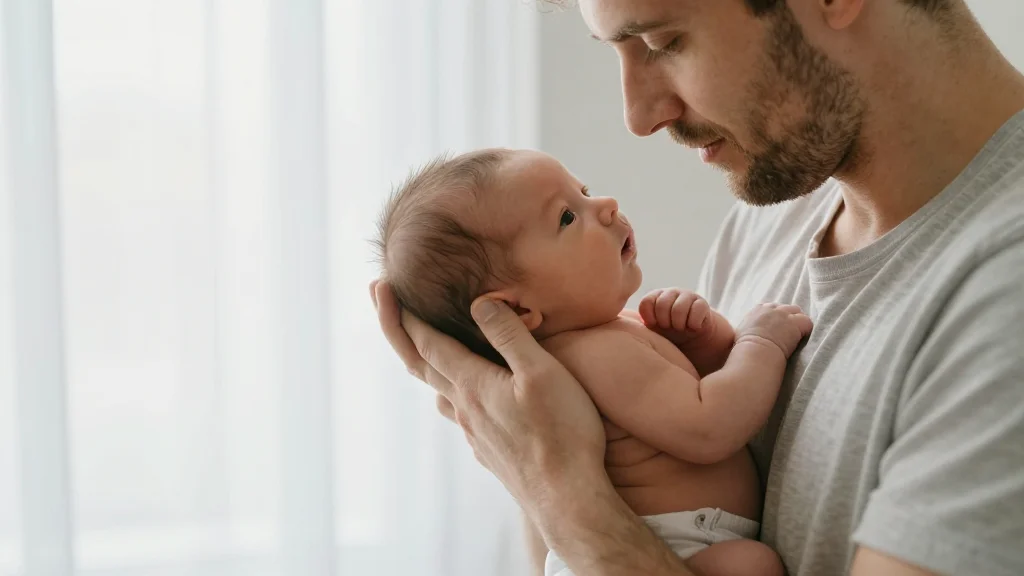
Ed Westwick Says Fatherhood Taught Him Patience and Compassion

Why It Matters
Westwick’s admission underscores a shift in how fatherhood is publicly discussed. When high‑profile men articulate the need for patience and compassion, they validate the emotional work many dads perform behind closed doors. This visibility can reduce stigma around fathers seeking parenting resources, mental‑health support, or flexible work arrangements. Moreover, the narrative reinforces research linking engaged fatherhood to better child outcomes, reinforcing policy discussions around parental leave and workplace flexibility. In a media environment saturated with celebrity news, stories that focus on personal growth rather than scandal can shape societal expectations. Westwick’s reflection may inspire other fathers—celebrity or not—to view parenting as a catalyst for self‑improvement, potentially increasing participation in father‑focused programs and community groups.
Key Takeaways
- •Ed Westwick publicly stated fatherhood forced him to develop greater patience and compassion.
- •The comment was published by NZCity on May 2, 2026.
- •His remarks align with broader trends of celebrity fathers discussing parenting challenges.
- •Increased emotional awareness among new fathers is linked to better child development outcomes.
- •Public disclosures can influence cultural expectations and policy debates on parental leave.
Pulse Analysis
Westwick’s brief but pointed comment arrives at a moment when the conversation around paternal involvement is gaining legislative traction. In the United States, several states have expanded paternity leave, and corporations are experimenting with flexible schedules to retain talent. When a recognizable figure like Westwick frames his adjustment as a lesson in compassion, it adds a human face to abstract policy discussions, potentially swaying public opinion toward more family‑friendly workplace norms.
Historically, male celebrities have been reticent about sharing the softer side of parenting, often focusing on career milestones. Westwick’s shift reflects a generational change: younger fathers are more comfortable discussing vulnerability, a trend amplified by social media platforms where personal stories spread quickly. This cultural pivot may accelerate demand for products and services tailored to engaged dads—ranging from parenting apps to mental‑health resources—creating new market opportunities.
Looking ahead, the ripple effect of such statements could be measured by tracking engagement metrics on father‑focused content and monitoring any uptick in enrollment for paternal support programs. If Westwick’s comment spurs even a modest increase in fathers seeking community or professional guidance, it would illustrate the power of celebrity influence in reshaping societal norms around fatherhood.
Ed Westwick Says Fatherhood Taught Him Patience and Compassion
Comments
Want to join the conversation?
Loading comments...