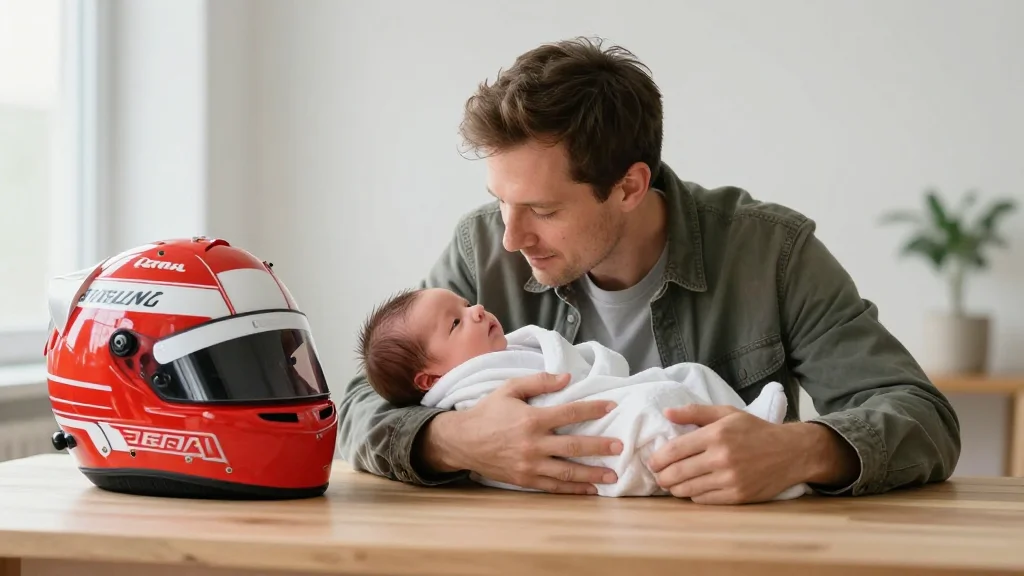
F1 Champion Max Verstappen Says He’ll Remain in Racing While Embracing Fatherhood

Companies Mentioned
Why It Matters
Verstappen’s statements resonate beyond the racetrack because they spotlight the reality of balancing a high‑visibility career with parenting duties. As one of the most recognizable faces in global sport, his willingness to discuss fatherhood publicly can normalize conversations about work‑life balance for other athletes and professionals. Moreover, his remarks may pressure teams and sponsors to consider family‑friendly policies, potentially reshaping how contracts and travel schedules are structured. The interview also contributes to broader cultural narratives about modern fatherhood, illustrating that even those at the pinnacle of performance face the same challenges of time management, emotional presence, and identity negotiation. By framing parenting as a source of personal growth, Verstappen offers a counter‑narrative to the stereotype of the absent, career‑obsessed male athlete.
Key Takeaways
- •Max Verstappen confirmed he will continue racing in Formula 1 after the current season.
- •The champion discussed how his parents' lessons influence his approach to both sport and fatherhood.
- •He addressed criticism from former driver Juan Pablo Montoya, linking personal growth to performance.
- •Verstappen highlighted flexible team policies that allow brief home visits during European races.
- •His interview adds to a trend of elite athletes publicly addressing parenting responsibilities.
Pulse Analysis
Verstappen’s decision to stay in Formula 1 while embracing fatherhood arrives at a moment when sports leagues are increasingly scrutinized for their treatment of family life. Historically, motorsport has been viewed as a career that demands total immersion, often at the expense of personal relationships. By openly discussing his parenting philosophy, Verstappen challenges that paradigm and may encourage Red Bull and rival teams to formalize family‑support measures, such as designated family days or on‑site childcare during long‑haul events.
From a market perspective, Verstappen’s brand value is tightly linked to his image as a relentless competitor. Aligning that image with a relatable, family‑oriented narrative could broaden his appeal to sponsors seeking to connect with parent demographics. Brands in consumer goods, automotive, and technology may see an opportunity to position themselves alongside a champion who embodies both high performance and responsible fatherhood.
Looking forward, the key question is how long Verstappen can sustain this dual focus without compromising either his championship aspirations or his family commitments. If his performance remains elite, it could set a precedent that elite athletes do not have to choose between career and parenthood. Conversely, any dip in results might reignite debates about the feasibility of balancing such demanding roles. The sport’s governing bodies and teams will likely monitor this experiment closely, potentially using it as a case study for future policy development around athlete welfare and family support.
F1 Champion Max Verstappen Says He’ll Remain in Racing While Embracing Fatherhood
Comments
Want to join the conversation?
Loading comments...