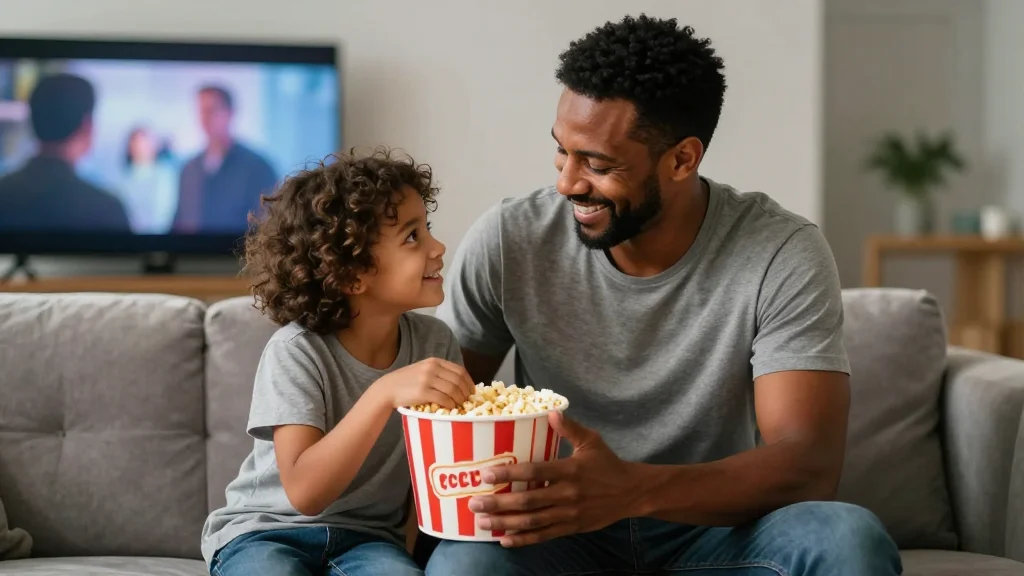
Father’s Day Shift: Time Together Beats Gifts, Local Survey Finds

Why It Matters
The move toward experience‑based celebrations signals a cultural re‑evaluation of fatherhood, emphasizing presence and engagement over material provision. For families, this could translate into deeper emotional connections and more memorable moments that reinforce paternal roles beyond the provider stereotype. From a business perspective, the trend forces retailers to rethink product assortments and marketing narratives. Companies that adapt quickly may capture a growing segment of consumers seeking meaningful interactions, while those clinging to traditional gift‑centric models risk losing relevance in a market that increasingly values time spent together.
Key Takeaways
- •68% of surveyed fathers prioritize time with children over gifts on Father’s Day.
- •Retailers report a rise in sales of multiplayer games and family‑friendly experiences.
- •Traditional high‑ticket gift sales, such as premium headphones, have dipped.
- •Store manager James Hess notes a shift toward buying extra controllers and game titles.
- •The trend may influence national retail strategies ahead of the June 16 holiday.
Pulse Analysis
The Tahlequah findings mirror a broader post‑pandemic shift where consumers place higher value on shared experiences. Earlier this year, national data from the National Retail Federation showed a 12% increase in spending on experiences during holidays, suggesting that the fatherhood segment is not isolated. This aligns with research from the Pew Research Center indicating that younger parents—particularly Millennials and Gen Z—are redefining traditional gift‑giving norms in favor of activities that foster connection.
For retailers, the implication is clear: product portfolios must evolve. Gaming retailers, for instance, can bundle consoles with family‑oriented titles or offer limited‑time discounts on streaming services. Similarly, food and entertainment venues can create Father’s Day packages that combine meals with movie tickets or arcade passes. Brands that successfully integrate these experiential bundles stand to capture both the emotional and monetary aspects of the holiday.
Looking ahead, the sustainability of this trend will depend on how deeply it penetrates consumer psychology. If fathers continue to view time as the ultimate gift, we may see a lasting reallocation of holiday budgets from tangible goods to experiences, reshaping the fatherhood market for years to come.
Father’s Day Shift: Time Together Beats Gifts, Local Survey Finds
Comments
Want to join the conversation?
Loading comments...