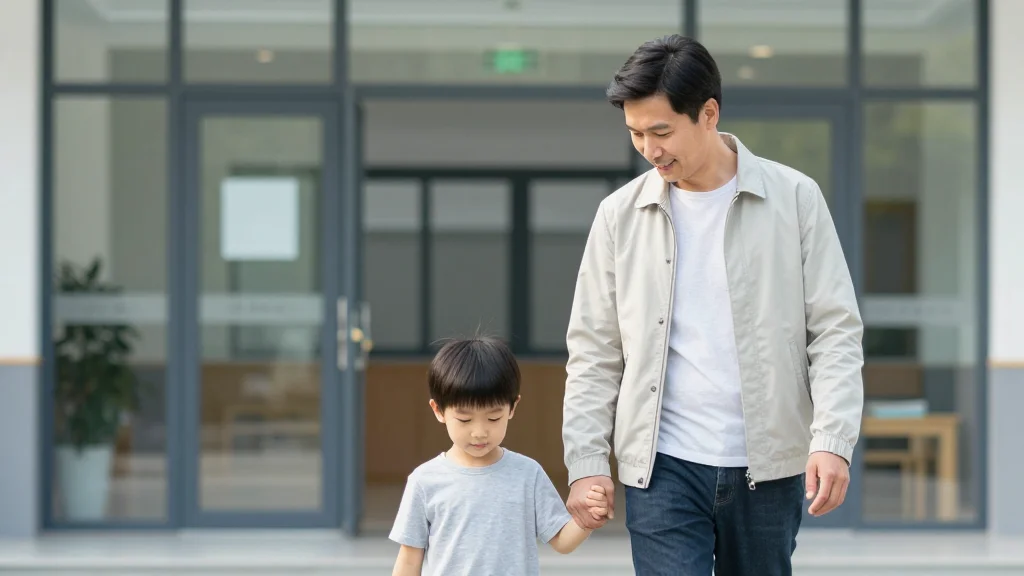
Hong Kong Star Kevin Cheng Lauded as Hands‑On Father After Kindergarten Pickup

Why It Matters
Kevin Cheng’s visible commitment to daily parenting duties challenges entrenched stereotypes about male celebrity fathers in Hong Kong, signaling a cultural shift toward more egalitarian family roles. By publicly sharing both the joys and pressures of school‑related responsibilities, Cheng normalizes active paternal involvement and may encourage other high‑profile figures to model similar behavior, thereby influencing public attitudes and potentially informing future workplace policies on parental leave. Moreover, Cheng’s openness about academic pressures highlights systemic issues within Hong Kong’s education system, where language proficiency and rigorous curricula place significant strain on families. His narrative adds a human face to these challenges, fostering empathy and prompting dialogue among policymakers, educators, and parents about balancing academic expectations with child well‑being.
Key Takeaways
- •Kevin Cheng was photographed picking up his son from kindergarten on May 10, 2026.
- •Grace Chan publicly called Cheng a “great father” on social media.
- •Netizens praised Cheng as a “model father” for his hands‑on parenting.
- •Cheng disclosed he spends evenings revising homework and practicing dictation with his son.
- •The incident fuels broader conversation about active fatherhood and educational pressures in Hong Kong.
Pulse Analysis
Kevin Cheng’s recent public parenting moment arrives at a crossroads of celebrity culture and evolving family norms in Hong Kong. Historically, male stars have cultivated an image of relentless professional focus, often sidelining domestic responsibilities. Cheng’s willingness to be photographed at a kindergarten gate, coupled with his wife’s endorsement, disrupts that narrative and aligns with a growing appetite among Hong Kong’s younger generation for shared parenting duties. This shift mirrors trends in other Asian markets where high‑profile fathers—such as Japan’s Takuya Kimura and South Korea’s Lee Min‑ho—have begun showcasing domestic involvement, thereby redefining masculinity in the public eye.
The educational angle adds another layer of relevance. Cheng’s candid remarks about evening tutoring reflect a systemic pressure that transcends socioeconomic status, resonating with middle‑class families who grapple with the same demands. By vocalizing these challenges, Cheng not only humanizes the celebrity experience but also amplifies a policy‑relevant discussion about the intensity of Hong Kong’s schooling system. If his upcoming talk‑show appearance delves deeper into these issues, it could catalyze broader advocacy for reforms such as reduced homework loads or expanded parental support services.
From a market perspective, Cheng’s image as a devoted father enhances his brand equity, positioning him for family‑oriented endorsements and collaborations with child‑care or education brands. Advertisers increasingly seek authentic parental figures to connect with consumers, and Cheng’s real‑life example offers a credible platform. In the longer term, his example may encourage entertainment agencies to promote more family‑friendly scheduling, recognizing that audiences value authenticity over relentless work ethic. The ripple effect could reshape talent management practices across the region, aligning professional commitments with evolving societal expectations of fatherhood.
Hong Kong Star Kevin Cheng Lauded as Hands‑On Father After Kindergarten Pickup
Comments
Want to join the conversation?
Loading comments...