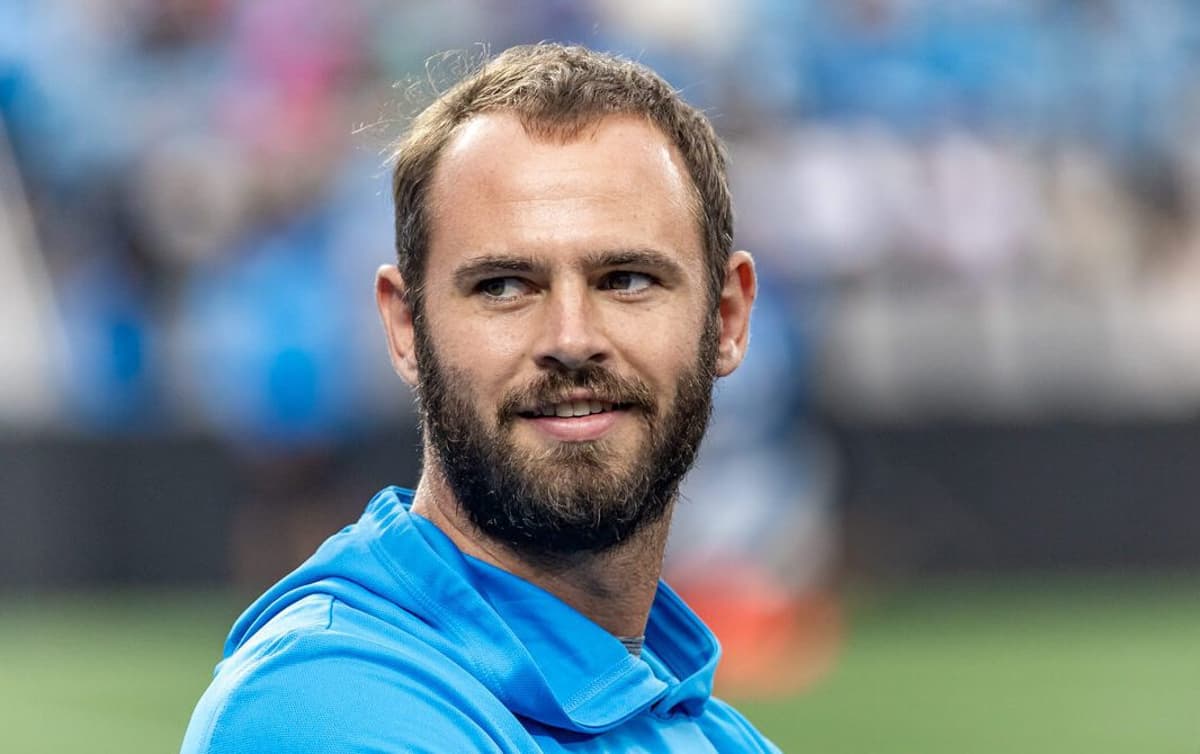
Hunter Renfrow: 4 Things I Realized After Having Kids
Why It Matters
Renfrow’s candid take illustrates the growing tension between professional sports demands and family responsibilities, signaling that player wellbeing and work‑life balance are becoming strategic concerns for teams and leagues.
Key Takeaways
- •Fatherhood reshapes Renfrow's career priorities beyond football.
- •Health diagnosis forces him to balance performance with family duties.
- •Time with kids becomes as critical as game preparation.
- •He cites teammates who successfully juggle NFL and parenting.
- •Emphasizes daily presence over long‑term career ambitions.
Pulse Analysis
The NFL’s traditional image of the single‑minded athlete is evolving as more players, like Hunter Renfrow, openly discuss fatherhood. Renfrow’s narrative mirrors a broader trend where personal milestones—marriage, children, health scares—are no longer sidelined but integrated into a player’s brand and performance strategy. By framing family as a core motivator rather than a distraction, athletes are redefining success metrics beyond yards and touchdowns, influencing fan engagement and sponsorship narratives.
Renfrow’s recent ulcerative colitis diagnosis adds a health dimension to the work‑life equation. Chronic conditions demand proactive management, and his emphasis on exercise, mental clarity, and spiritual grounding reflects a holistic approach increasingly adopted by elite athletes. This perspective resonates with the league’s growing investment in player health programs, from nutrition to mental‑health resources, acknowledging that on‑field durability is linked to off‑field stability. Renfrow’s willingness to share his struggle also destigmatizes illness, encouraging peers to seek treatment without fearing career repercussions.
For franchises, the shift has operational implications. Coaches and front offices must accommodate family‑centric schedules, whether through flexible travel plans or supportive locker‑room cultures. Teams that facilitate parental involvement may see gains in loyalty, morale, and ultimately performance, as players like Renfrow report heightened focus when personal life is balanced. Moreover, the narrative appeals to a fan base that values authenticity, potentially boosting viewership and merchandise sales. As the league continues to navigate the intersection of sport, health, and family, Renfrow’s story serves as a case study in modern athlete management.
Hunter Renfrow: 4 Things I Realized After Having Kids
Comments
Want to join the conversation?
Loading comments...