If Your Kids Lead Easy Lives, Do You Need To “Manufacture Hardship”?
Why It Matters
Building resilience in comfortable households prepares children for real‑world stress, reducing future emotional and behavioral issues. It also informs broader discussions on parenting strategies amid rising affluence.
Key Takeaways
- •Introduce manageable challenges to build resilience
- •Outdoor activities boost tolerance for discomfort
- •Let kids solve minor problems independently
- •Debrief failures to reinforce learning
- •Balance comfort with purposeful friction
Pulse Analysis
Affluent families often grapple with a paradox: the desire to provide comfort while fearing that excess will erode their children’s grit. Psychological research links exposure to low‑stakes adversity with stronger executive function and emotional regulation. When parents eliminate every inconvenience—whether by purchasing fast passes or pre‑solving homework—kids miss out on the rehearsal space needed to develop coping mechanisms. This dynamic is especially pronounced in households where financial security can unintentionally create a bubble of frictionless experiences.
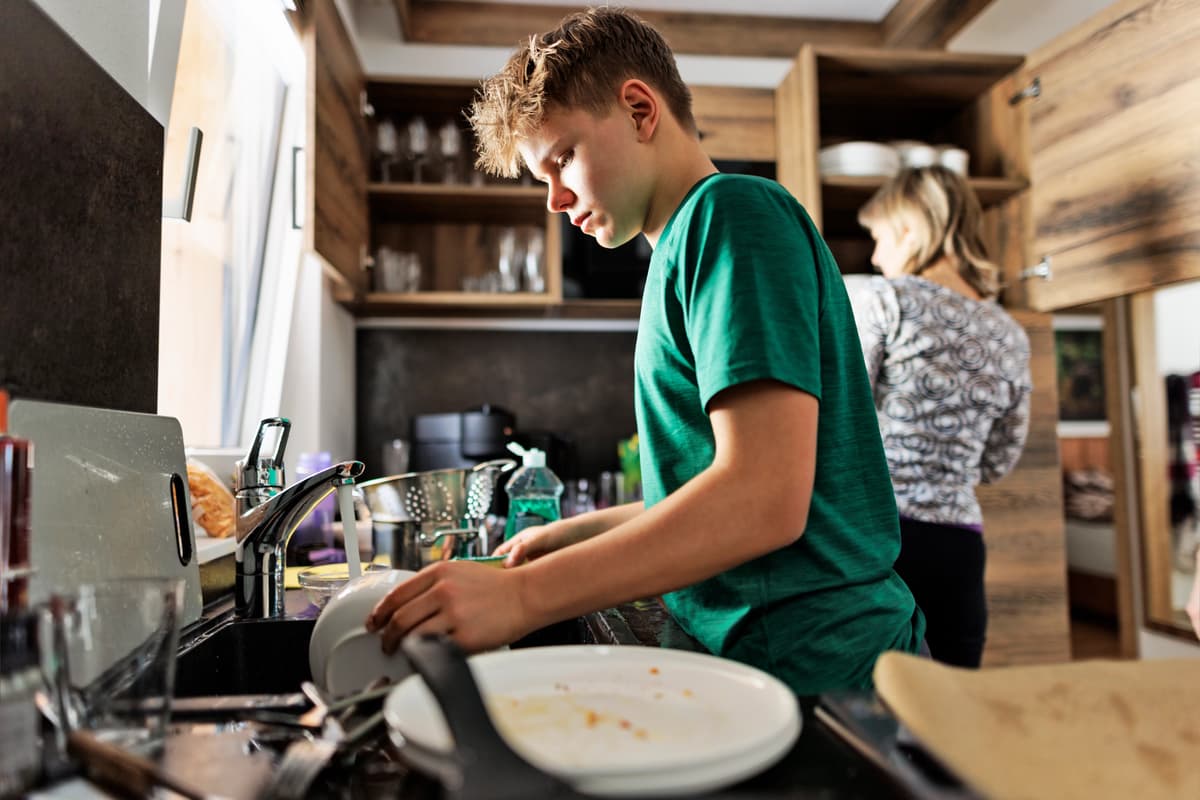
Practical solutions focus on embedding friction into daily routines without compromising safety. Assigning age‑appropriate chores, encouraging cooking from scratch, or requiring kids to reserve library books teach patience and responsibility. Outdoor pursuits—hiking, camping, ropes courses—offer natural, scalable challenges that build physical stamina and mental toughness. Parents can also practice “controlled disappointment,” such as opting for a regular restaurant instead of a premium one, allowing children to experience and navigate minor letdowns. The key is consistency: regular, low‑intensity stressors become rehearsal for larger life obstacles.
Long‑term, children who learn to navigate inconvenience are better equipped for academic pressures, career demands, and personal relationships. Resilience translates into higher adaptability, reduced burnout, and a propensity for innovative problem‑solving—traits prized in today’s fast‑changing economy. By deliberately leaving room for friction, parents not only safeguard against entitlement but also foster a generation capable of thriving amid uncertainty. The conversation underscores a broader societal shift: privilege must be paired with purposeful challenges to nurture well‑rounded, resilient adults.
If Your Kids Lead Easy Lives, Do You Need To “Manufacture Hardship”?
Comments
Want to join the conversation?
Loading comments...