In ‘Omaha,’ John Magaro Tackles Fatherhood, Fear and Financial Insecurity
Why It Matters
The film spotlights the lingering human toll of the 2008 crisis and challenges outdated notions of masculinity, resonating with audiences facing renewed economic uncertainty. Its indie platform demonstrates strong demand for character‑driven stories that blend social relevance with emotional depth.
Key Takeaways
- •‘Omaha’ follows a dad’s road trip after 2008 home loss
- •Magaro draws on his own father’s alcoholism for authenticity
- •Film highlights shifting masculinity and need to ask for help
- •Quiet, minimalist style emphasizes unsaid emotional tension
- •Indie release taps renewed interest in post‑crisis stories
Pulse Analysis
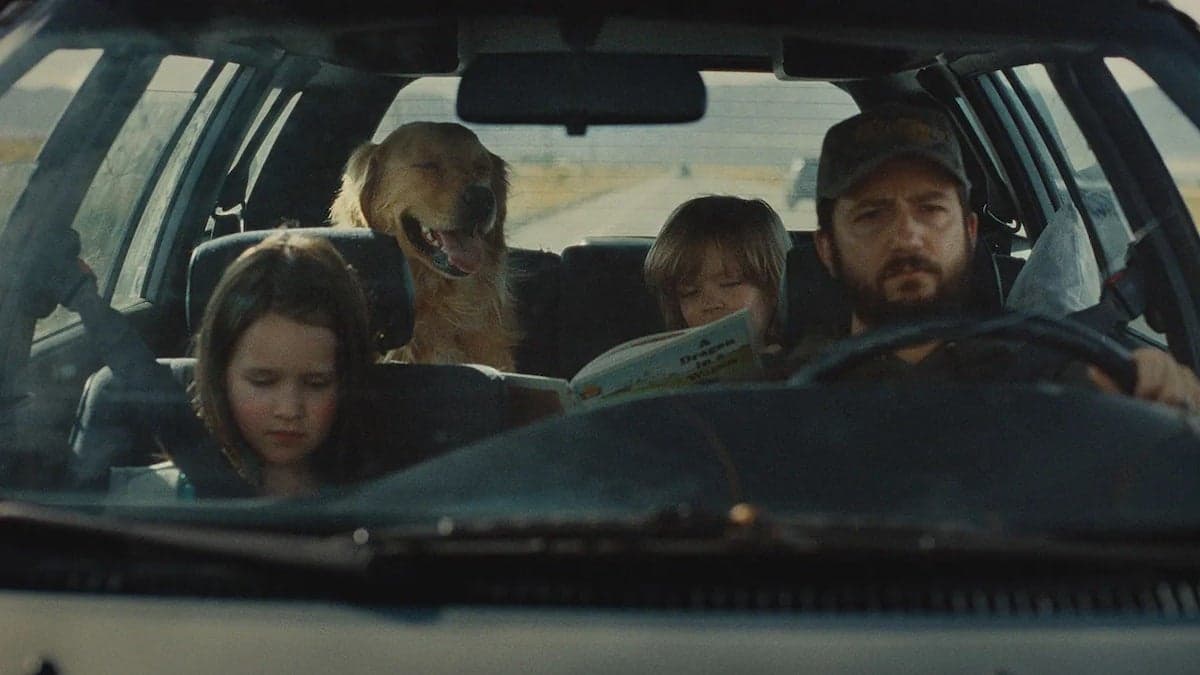
Omaha arrives at a moment when America is once again wrestling with economic anxiety, making its 2008‑era backdrop feel eerily contemporary. The narrative follows a widowed father who, after foreclosure, drives his children toward an uncertain future in Nebraska, using the open road as a metaphor for the precariousness of the American Dream. By anchoring the story in a specific historical crisis, the film invites viewers to reflect on how systemic shocks reverberate across generations, shaping family dynamics and community resilience.
John Magaro’s performance is anchored in personal history; he grew up in Cleveland and watched his own father succumb to alcoholism, a secret that fractured his family. This lived experience informs his portrayal of a man who silently battles pride and fear, embodying a new definition of masculinity that embraces vulnerability. Magaro’s theatrical background shines through in the film’s restrained dialogue, allowing silences to convey the weight of unspoken trauma. His commitment to the role underscores a broader cultural shift toward men openly seeking help, a theme that resonates beyond the screen.
From an industry perspective, Omaha exemplifies how independent cinema can capture timely, socially relevant stories without blockbuster budgets. Distributed by Greenwich Entertainment, the film leverages festival buzz from Sundance to secure a modest theatrical run, targeting audiences hungry for authentic, character‑driven narratives. Its minimalist aesthetic and focus on everyday struggles align with the current appetite for films that blend artful storytelling with real‑world relevance, positioning Omaha as a potential catalyst for future indie projects that explore post‑crisis America.
In ‘Omaha,’ John Magaro Tackles Fatherhood, Fear and Financial Insecurity
Comments
Want to join the conversation?
Loading comments...