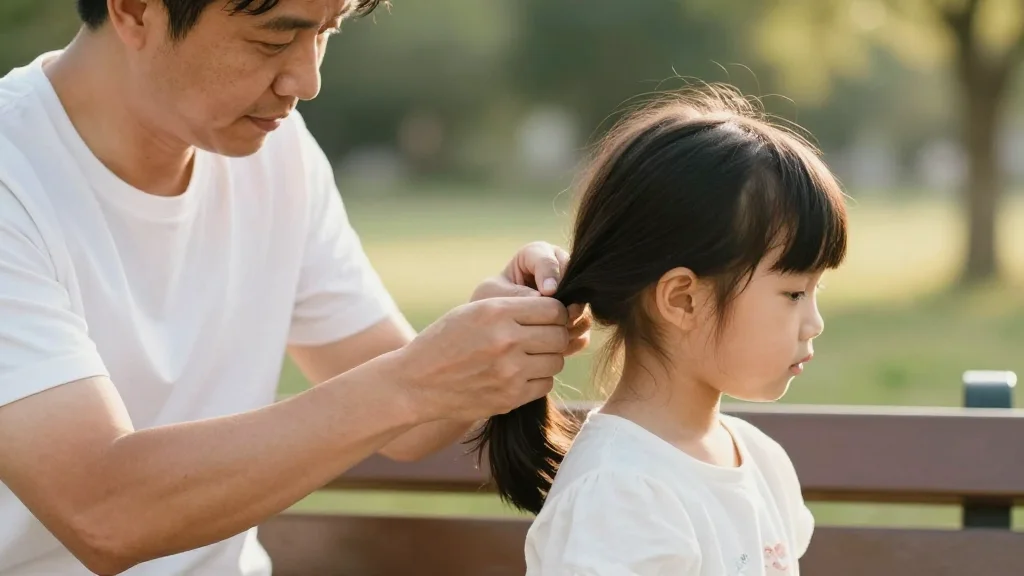
Isle of Man Dads Join ‘Ponytail Club’ to Master Daughters’ Hair Styling

Why It Matters
The Ponytail Club illustrates how small, community‑driven initiatives can reshape expectations around fatherhood. By equipping dads with practical grooming skills, the program reduces the gendered division of childcare tasks and encourages fathers to take an active role in daily routines. This shift not only eases pressure on mothers but also fosters stronger emotional bonds between fathers and their daughters, which research links to higher self‑esteem and better academic outcomes for children. If the model spreads beyond the Isle of Man, it could inspire a wave of similar programs—ranging from cooking workshops to school‑run pick‑up groups—broadening the toolkit fathers use to engage with their children. Such grassroots movements may also influence policymakers and early‑years providers to incorporate father‑focused resources into existing parenting curricula, further normalizing active dad participation in all aspects of child‑rearing.
Key Takeaways
- •Hairdresser Sophie Corlett launched the Ponytail Club after years of dad requests for hair‑styling help.
- •Aaron Stewart‑Gillespie admitted, “I can’t do it,” highlighting the skill gap many fathers face.
- •Participants like Karl Boyle and Dominic Murphy cite both practical benefits and emotional bonding.
- •The club aims to reduce morning stress and lessen pressure on mothers by sharing grooming duties.
- •Future sessions are planned for later this month, with potential virtual tutorials to reach a wider audience.
Pulse Analysis
The emergence of the Ponytail Club underscores a subtle but meaningful redefinition of paternal involvement. Historically, fatherhood has been associated with breadwinning and occasional weekend activities, while routine caregiving tasks—such as hair styling—have remained in the maternal domain. This club flips that script by turning a mundane chore into a public, community‑endorsed skill set. The ripple effect could be significant: as fathers become more comfortable with daily caregiving, they may seek out additional responsibilities, from school meetings to health appointments, thereby reshaping family dynamics.
From a market perspective, the club also opens a niche for businesses that cater to fathers. Hair salons, parenting apps, and local councils could develop father‑focused workshops, creating new revenue streams while supporting gender‑balanced parenting. Moreover, the initiative aligns with broader societal trends toward shared parenting, as seen in rising paternal leave uptake and the proliferation of dad‑centric media. By providing a low‑cost, high‑impact entry point, the Ponytail Club may act as a catalyst for larger cultural change, encouraging other communities to replicate the model and normalizing fathers’ hands‑on involvement in everyday child‑care.
Looking ahead, the key challenge will be scaling the concept without diluting its community feel. Virtual tutorials could broaden reach, but the personal, in‑person mentorship that makes the club effective might be harder to replicate online. Success will likely depend on maintaining that local, supportive atmosphere while leveraging digital tools to share best practices. If done well, the Ponytail Club could become a template for grassroots fatherhood programs worldwide, turning simple acts like a braid into powerful symbols of shared responsibility.
Isle of Man dads join ‘Ponytail Club’ to master daughters’ hair styling
Comments
Want to join the conversation?
Loading comments...