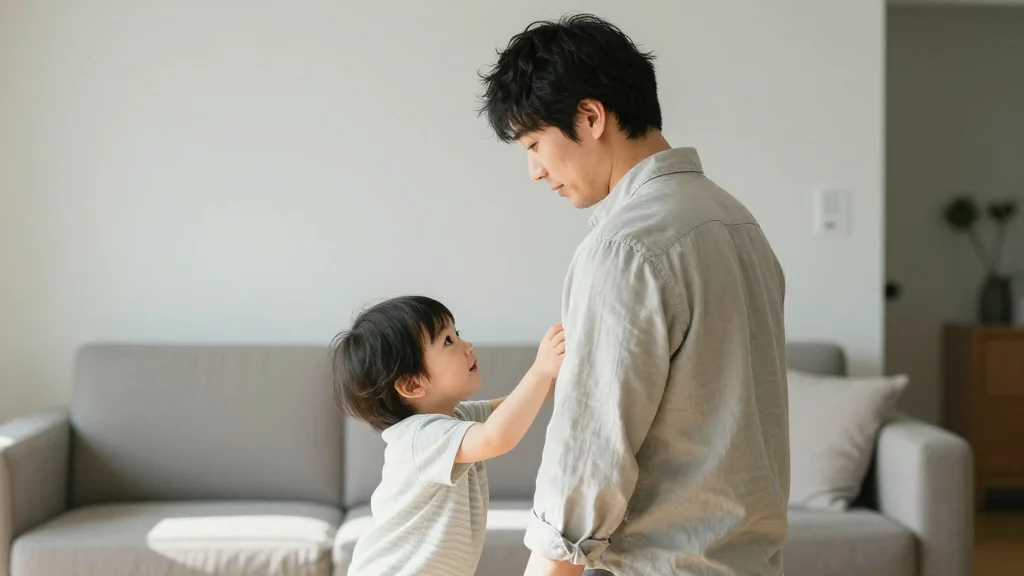
Japanese Analysis Warns Emotionally Distant Dads Face 'Papa Hate' From Kids and Subordinates

Why It Matters
The analysis spotlights a cultural tension that reverberates through family life and corporate Japan. When fathers are perceived as emotionally distant, children may develop insecure attachment patterns, affecting long‑term emotional health. Simultaneously, the same perception can erode a manager’s credibility, weakening team dynamics and productivity. Understanding this dual impact underscores the need for policies that enable fathers to balance work and caregiving, thereby strengthening both family bonds and workplace cohesion. Moreover, the discussion challenges traditional gender norms that assign primary caregiving to mothers. By framing emotional availability as a leadership competency, the article encourages a broader redefinition of fatherhood that aligns with modern expectations of shared parenting and inclusive management styles.
Key Takeaways
- •President Online analysis links emotional distance in fathers to the ‘Papa嫌’ label from toddlers and subordinates.
- •Professor Toshihiko Endo emphasizes the importance of attachment and suggests fathers can become primary caregivers if mothers are absent.
- •Non‑fiction writer Toru Yamakawa shares personal struggles with a three‑year‑old son who repeatedly demands ‘Mom, I want Mom.’
- •Workplace subordinates may mirror the ‘Papa嫌’ sentiment, affecting team trust and collaboration.
- •Experts recommend flexible work arrangements and regular low‑pressure father‑child interactions to mitigate the stigma.
Pulse Analysis
The Japanese case study illustrates a broader, global shift: fatherhood is no longer confined to financial provision but increasingly judged on emotional presence. In societies where work hours remain long and rigid, fathers who cannot carve out consistent caregiving moments risk being labeled as disengaged, both at home and in the office. This dual stigma creates a feedback loop—emotional distance fuels workplace distrust, which in turn limits the time fathers can allocate to family, reinforcing the original problem.
Historically, Japanese corporate culture has prized stoicism and long hours, often at the expense of family life. Recent policy experiments, such as the government’s “Premium Friday” and corporate parental‑leave incentives, aim to break this pattern. The analysis by President Online suggests that policy alone is insufficient; cultural narratives around paternal affection must also evolve. Companies that embed empathy training into leadership development and normalize flexible schedules are likely to see a reduction in the ‘Papa嫌’ phenomenon, improving both employee morale and child development outcomes.
Looking forward, the intersection of fatherhood and workplace culture will become a key metric for talent attraction and retention. Firms that proactively support fathers—through on‑site childcare, parental‑leave parity, and mentorship programs that model emotionally intelligent leadership—will differentiate themselves in a competitive labor market. As more fathers step into active caregiving roles, the stigma highlighted in this analysis may fade, reshaping expectations of both parent and manager in Japan and beyond.
Japanese analysis warns emotionally distant dads face 'Papa hate' from kids and subordinates
Comments
Want to join the conversation?
Loading comments...