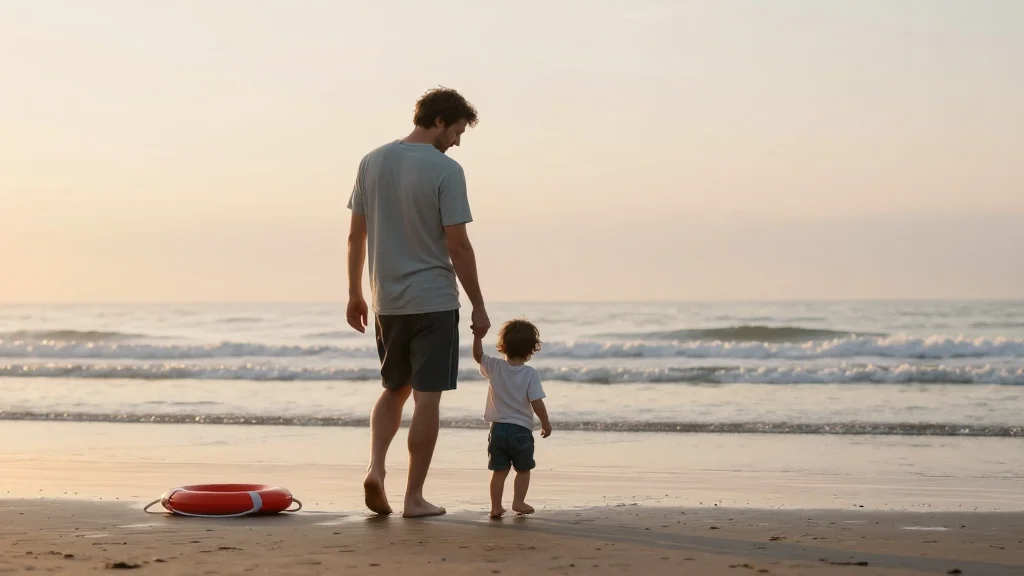
Maine Dad Dies Saving Children From Rip Current at Florida Beach

Why It Matters
The tragedy spotlights the often‑unseen dangers parents face while trying to protect their children in recreational settings, reinforcing the cultural expectation that fathers act as protectors even at personal risk. Jennings’ heroism has resonated across the fatherhood community, prompting discussions about how societies honor and support fathers who sacrifice themselves for their families. Beyond the emotional impact, the incident raises public‑policy questions about beach safety infrastructure, especially in tourist‑heavy regions. By linking a personal loss to systemic gaps—such as insufficient lifeguard staffing and limited public education on rip currents—the story urges lawmakers and local authorities to consider stronger preventive measures that could save lives and ease the burden on grieving families.
Key Takeaways
- •Ryan Jennings, 46, drowned while rescuing his 12‑year‑old son and 9‑year‑old daughter at Juno Beach, Florida.
- •Lifeguards responded at 3:25 p.m.; four swimmers were rescued, but Jennings could not be revived.
- •Emily Jennings said, “He lived a hero,” and described his last actions in the water.
- •NOAA estimates about 100 annual U.S. deaths from rip currents, highlighting a broader safety issue.
- •Local officials are reviewing beach safety protocols and considering enhanced signage and education.
Pulse Analysis
Ryan Jennings’ death crystallizes a recurring narrative in fatherhood discourse: the expectation that fathers will place their children’s safety above their own. Historically, media coverage of such sacrifices has amplified the archetype of the self‑sacrificing dad, reinforcing societal pressures that can shape paternal behavior. While honoring Jennings’ bravery is appropriate, the story also reveals a tension between glorifying individual heroism and addressing systemic safety failures that make such heroics necessary.
From a policy perspective, the incident underscores a gap in public safety communication. Despite NOAA’s long‑standing warnings about rip currents, many beachgoers remain unaware of the signs and the rapid escalation of danger. The Jennings case could serve as a catalyst for municipalities to invest in real‑time monitoring technologies, multilingual signage, and mandatory briefings for families staying at beachfront resorts. Such measures would shift the burden from individual heroics to collective prevention, aligning with broader public‑health goals.
Finally, the community response—memorial swims, fundraisers, and calls for better safety—illustrates how personal loss can mobilize collective action. For the fatherhood space, Jennings’ story may inspire a new wave of advocacy focused not only on celebrating paternal sacrifice but also on equipping fathers with the tools and information needed to protect their families without risking their own lives. The legacy of this tragedy could thus reshape both cultural expectations and practical safety standards for families nationwide.
Maine Dad Dies Saving Children from Rip Current at Florida Beach
Comments
Want to join the conversation?
Loading comments...