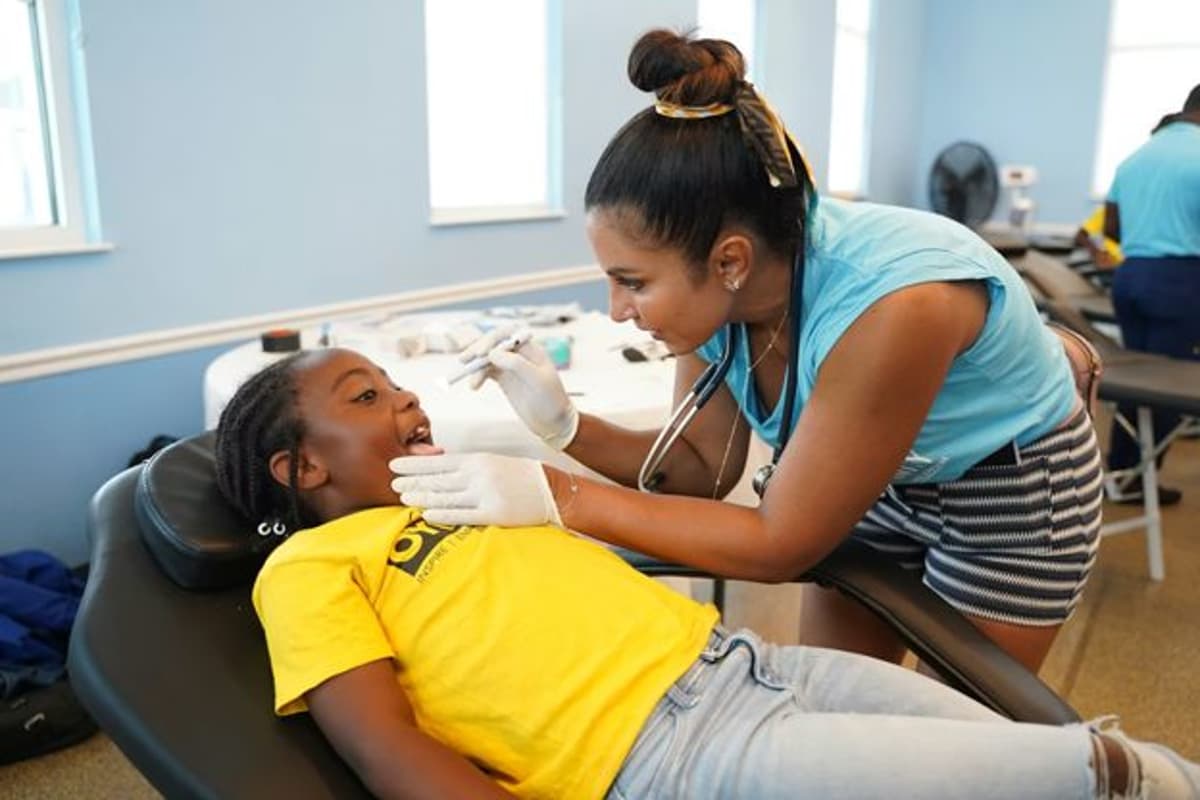
Making Your Child’s First Dental Visit Fun and Stress-Free
Companies Mentioned
Why It Matters
Early dental care dramatically reduces cavity risk and future restorative work, saving families money and fostering a lifelong positive attitude toward oral health.
Key Takeaways
- •ADA: dental visit by age one or six months after tooth appears
- •Early visits cut lifetime restorative treatments by 40%
- •Parent calmness and office tours reduce toddler dental anxiety
- •First appointments last ~30 minutes, exam only 5‑10 minutes
- •Positive stickers reinforce cooperation and encourage future visits
Pulse Analysis
Pediatric dentistry has shifted from reactive treatment to proactive prevention, driven by the American Dental Association’s 2024 guideline that children should see a dentist by age one. This early‑intervention model aligns with broader public‑health goals to curb the rise in early childhood caries, which the CDC reports now affect one‑in‑five kids aged two to five. By establishing a baseline oral assessment before decay sets in, dentists can tailor fluoride applications, dietary counseling, and habit‑breaking strategies that dramatically lower the likelihood of invasive procedures later in life.
Preparation is a joint effort between parents and dental teams. Introducing simple dental vocabulary, reading age‑appropriate books, and role‑playing with stuffed animals help children view the dentist as a routine caretaker rather than a source of fear. Many practices enhance this comfort by offering office tours, child‑friendly waiting areas, and distraction tools such as ceiling‑mounted videos or weighted blankets. When parents model calm confidence and avoid dismissive language, children are more likely to cooperate, turning a potentially stressful appointment into a brief, positive encounter that reinforces trust.
The long‑term payoff of early visits extends beyond health to economics. Research from the American Academy of Pediatric Dentistry shows that children who begin preventive care before age two require roughly 40% fewer restorative treatments over their lifetime. Early detection of malocclusion or jaw‑development issues also enables simple interceptive appliances, avoiding costly orthodontic work in adolescence. For the dental industry, this trend fuels demand for pediatric‑focused practices, specialized training, and preventive‑care products, while families benefit from reduced emergency visits and lower overall dental expenses.
Making Your Child’s First Dental Visit Fun and Stress-Free
Comments
Want to join the conversation?
Loading comments...