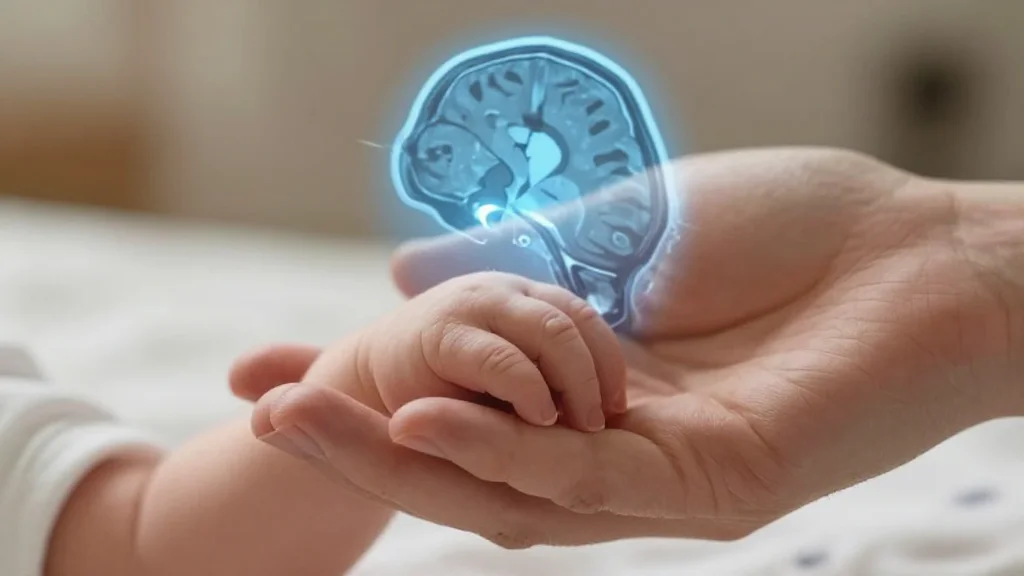
New Study Maps Distinct 'Dad Brain' Changes in New Fathers

Why It Matters
The identification of concrete neural changes in new fathers reframes paternal involvement as a biologically grounded experience rather than a purely social expectation. This shift could influence how healthcare providers screen for paternal mental‑health issues, prompting earlier detection of postpartum depression in men. Moreover, recognizing the ‘dad brain’ may drive corporate policy reforms, such as expanded paternity leave and workplace accommodations, ultimately fostering more equitable sharing of caregiving responsibilities. Beyond individual health, the findings have societal implications. Enhanced paternal empathy and vigilance have been linked to lower rates of child neglect and higher educational engagement. By grounding these traits in neuroscience, the study provides a compelling argument for public investment in father‑focused parenting programs, potentially narrowing gender gaps in child development outcomes.
Key Takeaways
- •Neuroimaging of 78 new fathers shows increased amygdala and prefrontal activity.
- •Study confirms heightened vigilance and empathy, termed the ‘dad brain.’
- •Father participants report hypervigilance, emotional sensitivity, and purpose.
- •Findings may prompt revised paternal‑leave policies and mental‑health screening.
- •Future research will explore long‑term persistence and cross‑cultural validity.
Pulse Analysis
Historically, neuroscience has prioritized maternal brain changes, leaving paternal biology under‑explored. This new study disrupts that narrative, aligning fatherhood with measurable neuroplasticity. The timing is crucial: as more families adopt shared caregiving models, the market for father‑centric health solutions is expanding. Companies that can translate these findings into actionable tools—such as apps that monitor stress biomarkers or educational modules that harness heightened paternal empathy—stand to capture a growing segment.
From a competitive standpoint, the research positions academic institutions as thought leaders in a niche yet increasingly relevant domain. Universities that partner with tech firms to develop evidence‑based paternal wellness platforms could secure funding streams previously reserved for maternal health. Meanwhile, policymakers may cite the data to justify extending paid paternity leave, a move that could improve workforce retention and reduce gender‑based wage gaps.
Looking forward, the key question is scalability. Will the ‘dad brain’ signatures hold across different cultures, socioeconomic statuses, and family structures? If subsequent studies confirm universality, we could see a paradigm shift where paternal neurodevelopment becomes a standard consideration in pediatric and family medicine, reshaping everything from insurance coverage to early‑childhood education curricula.
New Study Maps Distinct 'Dad Brain' Changes in New Fathers
Comments
Want to join the conversation?
Loading comments...