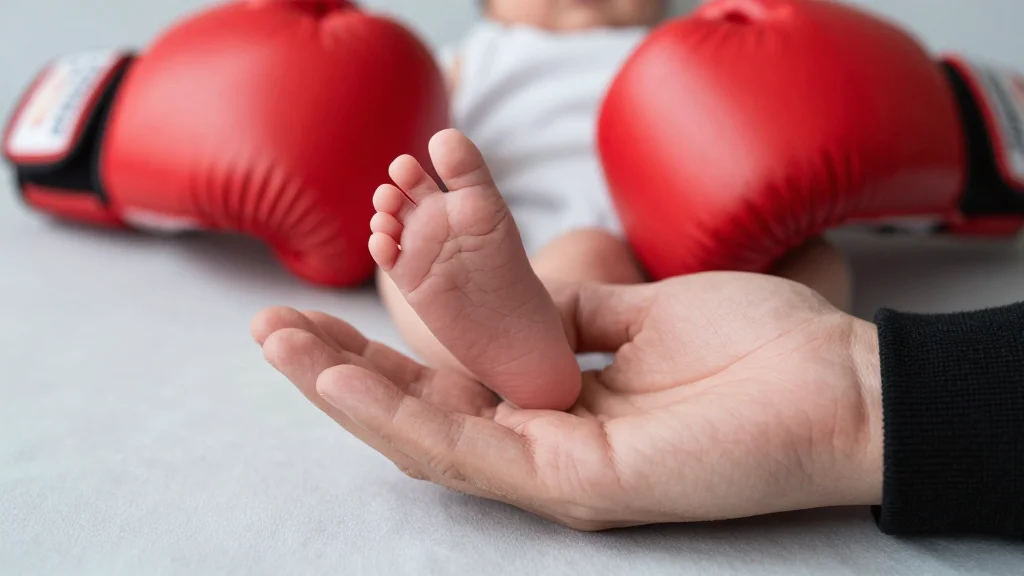
ONE Fight Star Tang Kai Says Fatherhood Fuels New Drive Ahead of Fight Night 43

Why It Matters
Tang Kai’s candid discussion of fatherhood highlights a growing trend where elite athletes publicly link personal milestones to professional performance. This openness can inspire other fathers in the sport, encouraging a culture that values family responsibilities alongside competitive ambition. Moreover, the narrative offers promoters a compelling human‑interest angle that can attract broader demographics, potentially reshaping marketing strategies in combat sports. Beyond the ring, Tang’s story contributes to the larger conversation about work‑life balance for high‑profile professionals. By framing fatherhood as a source of strength rather than a distraction, he challenges traditional notions of masculinity in combat sports and opens the door for more nuanced portrayals of male athletes as caregivers and role models.
Key Takeaways
- •Tang Kai says becoming a dad gives him "greater responsibilities" ahead of ONE Fight Night 43.
- •Coach Liu Peng notes Tang’s increased discipline in nutrition, sleep, and mental preparation.
- •ONE Championship is leveraging personal stories like Tang’s to broaden its family‑friendly branding.
- •The upcoming fight pits Tang against veteran Petchdam Petchyindee, testing his new mindset.
- •Tang’s comments may influence how other fighters view parenthood and performance.
Pulse Analysis
Tang Kai’s admission that fatherhood has altered his competitive calculus is more than a feel‑good anecdote; it signals a strategic shift in how combat athletes construct their public personas. Historically, fighters have cultivated an image of singular focus, often downplaying personal life to maintain an aura of invincibility. Tang’s narrative disrupts that paradigm, aligning with a broader cultural movement that celebrates vulnerability and work‑life integration. This could prompt other promotions to spotlight similar stories, creating a new sub‑genre of athlete branding that blends personal milestones with performance narratives.
From a market perspective, ONE Championship stands to benefit financially. Storytelling that resonates with family audiences can attract sponsors seeking wholesome, relatable content, and can boost viewership among demographics that might otherwise overlook MMA. If Tang successfully defends his title while embodying this father‑first ethos, it could set a template for future campaigns, encouraging fighters to share personal journeys as a means of deepening fan loyalty.
Looking ahead, the real test will be whether Tang’s newfound responsibility translates into measurable performance gains. Should he win decisively, analysts may attribute the victory to his heightened mental clarity, reinforcing the narrative that personal growth fuels athletic excellence. Conversely, a loss could prompt a reevaluation of how much personal life should intersect with elite competition. Either outcome will provide valuable data for promoters, coaches, and athletes navigating the evolving intersection of fatherhood and professional sport.
ONE Fight Star Tang Kai Says Fatherhood Fuels New Drive Ahead of Fight Night 43
Comments
Want to join the conversation?
Loading comments...