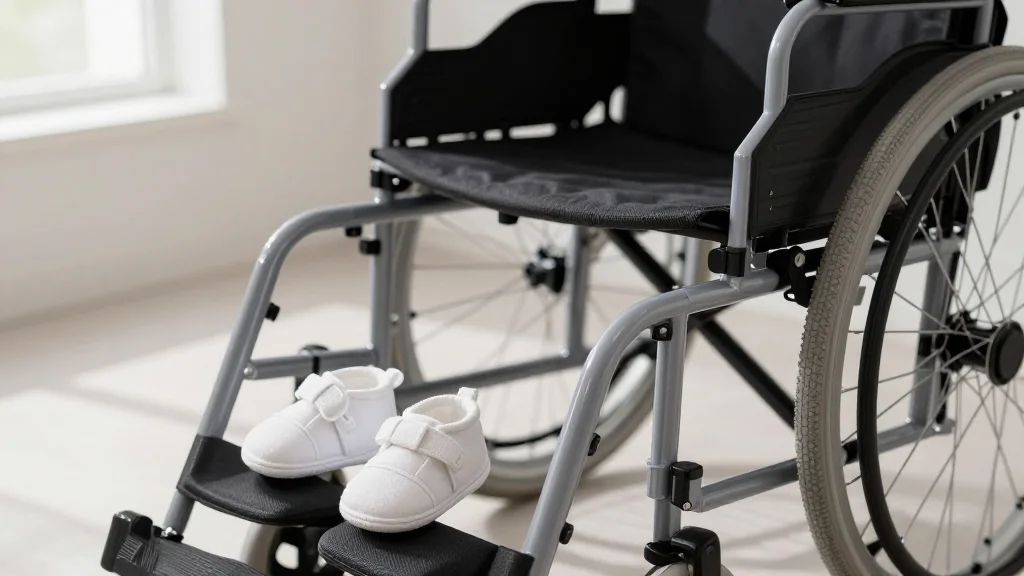
Paralysed Rugby Star Alex McKinnon Says He Wants More Children with Fiancée Lily Malone

Companies Mentioned
Why It Matters
Alex McKinnon’s declaration reframes the public perception of disability and parenthood, illustrating that severe physical limitations need not curtail aspirations for a larger family. His high‑profile status offers visibility to a demographic often overlooked in mainstream discussions of fatherhood, prompting charities, healthcare providers, and policymakers to consider more inclusive support structures. Moreover, his journey from a control‑obsessed athlete to a father eager for more children underscores the psychological resilience that can emerge from trauma, offering a template for others facing similar life‑altering events. The conversation also intersects with broader societal debates about reproductive rights and access to fertility services for people with disabilities. As McKinnon navigates his own family planning, his experience may catalyze legislative attention to ensure that disabled individuals receive equitable treatment in medical, financial, and social domains related to childbearing.
Key Takeaways
- •Alex McKinnon, former Newcastle Knights star, says he wants more children with fiancée Lily Malone.
- •He describes his 2014 spinal injury as a catalyst for a new outlook on control and family.
- •McKinnon earned a psychology degree in 2024 and works as a recruitment analyst and Fox Sports commentator.
- •The couple plans to marry within a year and are exploring options for expanding their family.
- •His comments highlight the need for better disability‑focused parenting resources and policy support.
Pulse Analysis
McKinnon’s public embrace of future fatherhood marks a pivotal moment for disability representation in sports culture. Historically, athletes who suffer career‑ending injuries have been portrayed as victims or symbols of tragedy. By shifting the narrative to one of proactive family planning, McKinnon challenges that trope and positions himself as a role model for resilience and agency. This could encourage leagues and player associations to develop more robust post‑career support programs that address not only financial stability but also personal aspirations such as parenting.
From a market perspective, McKinnon’s story aligns with a growing consumer demand for authentic, inclusive storytelling. Brands that partner with him—whether in adaptive sports equipment, health tech, or family‑oriented services—stand to benefit from his credibility and the emotional resonance of his journey. Companies that can demonstrate tangible support for disabled parents may capture a niche yet expanding segment of the market, especially as demographic data shows increasing numbers of people with disabilities entering parenthood.
Looking forward, the next critical milestone will be McKinnon’s marriage and any public updates on his family‑building plans. Media coverage of those events will likely amplify discussions around assisted reproductive technologies, insurance coverage, and workplace accommodations for disabled parents. Stakeholders—ranging from healthcare providers to policymakers—should monitor how McKinnon’s narrative influences public opinion and legislative agendas, as his personal choices could translate into broader systemic change.
Paralysed Rugby Star Alex McKinnon Says He Wants More Children with Fiancée Lily Malone
Comments
Want to join the conversation?
Loading comments...