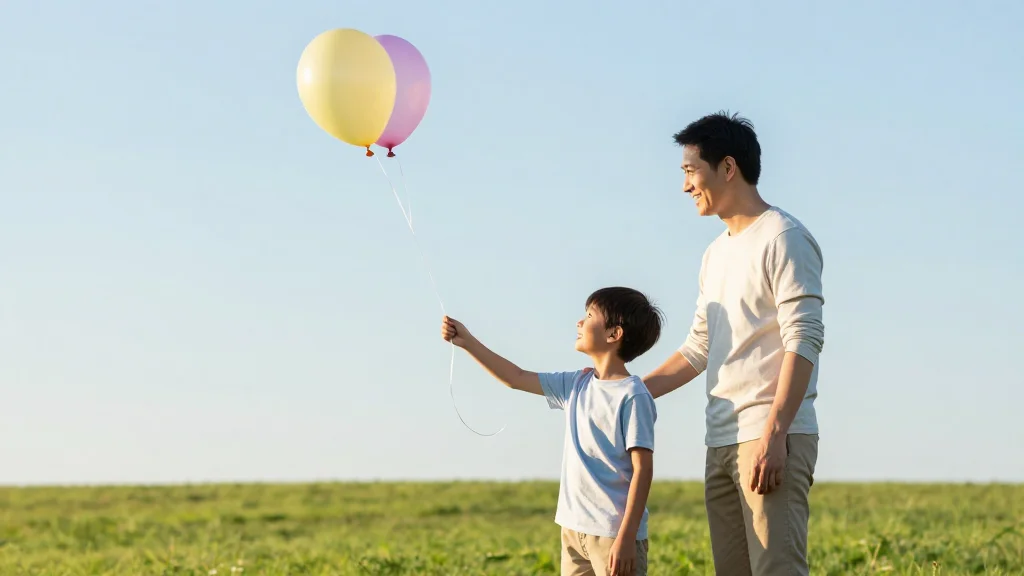
Prince Harry Says Giving Archie Space Is His Top Parenting Goal as the Prince Turns 7

Why It Matters
Prince Harry’s public articulation of a parenting philosophy that emphasizes personal space, mental‑health awareness, and the rejection of traditional royal expectations signals a shift in how high‑profile fathers approach child‑rearing. By linking his own therapeutic journey to his role as a dad, he normalizes seeking professional help, potentially reducing stigma for other men. Moreover, his stance may influence public discourse around fatherhood, encouraging a move away from rigid, legacy‑focused models toward more emotionally attuned, individualized parenting. The Sussexes’ high‑visibility platform amplifies these messages, offering a template for other public figures and ordinary parents alike. As conversations about mental health, gender roles, and parenting evolve, Harry’s comments could catalyze broader acceptance of flexible, child‑centered approaches, reshaping expectations for fathers in both elite and everyday contexts.
Key Takeaways
- •Prince Harry highlighted giving his children space to be themselves as his son Archie turned 7 on May 6, 2025.
- •He linked his parenting approach to his own experience growing up under intense public scrutiny.
- •Harry emphasized therapy’s role, stating it helps him be the best version of himself for his kids.
- •The Sussexes have settled in Montecito, California, where insiders say the children are thriving.
- •His comments reflect a broader trend toward empathetic, flexible fatherhood among high‑profile dads.
Pulse Analysis
Harry’s remarks sit at the intersection of royal tradition and contemporary parenting discourse. Historically, British royal fathers have been portrayed as stoic custodians of lineage, with limited public discussion of personal parenting philosophies. By openly discussing therapy and the need to "upgrade" parenting for modern times, Harry disrupts that narrative, aligning the monarchy with a more progressive, mental‑health‑aware culture. This shift could have a ripple effect, prompting other institutions steeped in tradition to reconsider how they address fatherhood and well‑being.
From a market perspective, the Sussexes’ advocacy dovetails with a growing consumer appetite for authenticity and mental‑health transparency. Brands targeting fathers—ranging from baby products to wellness services—may see an opportunity to align with this narrative, leveraging the royal endorsement to appeal to a demographic seeking more nuanced, emotionally intelligent role models. As the Sussexes continue to balance public advocacy with private family life, their evolving story will likely serve as a barometer for how celebrity influence can shape societal norms around fatherhood.
Looking ahead, the sustainability of this approach will depend on the Sussexes’ ability to maintain privacy while remaining relevant. If future milestones, such as Princess Lilibet’s birthday or Archie’s school transitions, are framed within the same therapeutic and child‑centric lens, the narrative could solidify into a lasting cultural touchstone. Conversely, any missteps or heightened media scrutiny could test the resilience of this new fatherhood model, offering a real‑time case study on the pressures faced by modern dads in the public eye.
Prince Harry Says Giving Archie Space Is His Top Parenting Goal as the Prince Turns 7
Comments
Want to join the conversation?
Loading comments...