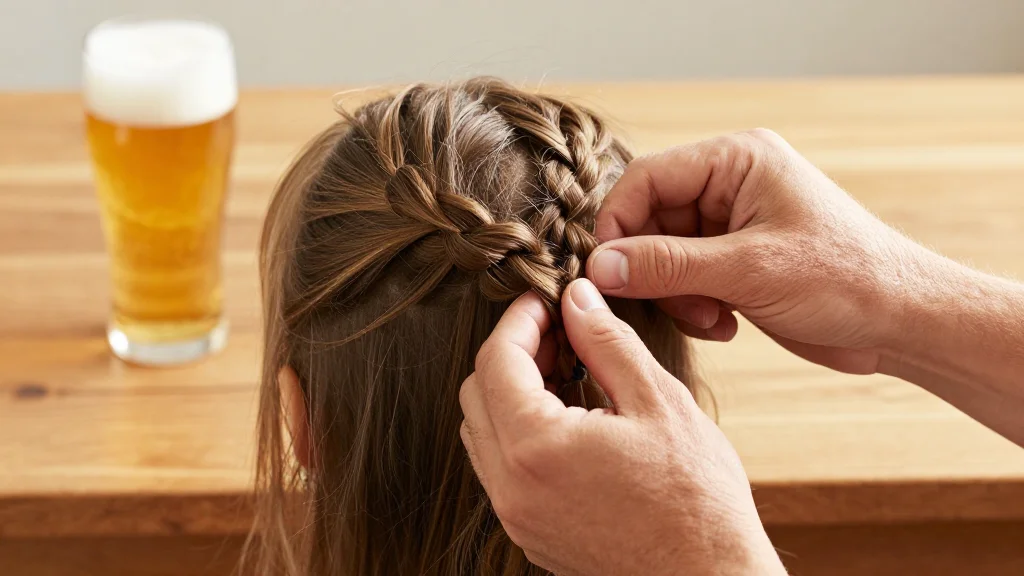
Pub‑Based ‘Pints & Ponytails’ Helps Dads Learn to Braid Daughters’ Hair, Sparking Community Bonding

Why It Matters
Pints & Ponytails tackles two entrenched issues in contemporary parenting: the scarcity of male‑focused support networks and the stigma surrounding paternal mental health. By framing skill‑building as a social activity, the initiative normalizes emotional openness among fathers, potentially reducing rates of post‑natal depression and anxiety that have historically been under‑reported in men. Moreover, the viral reach of the videos amplifies the message beyond the UK, offering a replicable template for community‑based fatherhood programs worldwide. If the model scales, it could influence public‑policy discussions about funding for father‑specific mental‑health services and encourage employers to recognize the value of peer‑support groups. The blend of cultural tradition (the pub) with progressive parenting practices also signals a shift in societal expectations of masculinity, suggesting that future generations of dads may feel freer to engage in traditionally feminine caregiving tasks.
Key Takeaways
- •Pints & Ponytails teaches dads to braid daughters' hair in UK pubs, attracting millions of online views.
- •Founders Mathew Lewis‑Carter and Lawrence Price launched the group after personal battles with post‑natal depression and anxiety.
- •Celebrity endorsements include Joe Jonas, Sophia Bush, and a meeting with Sir Keir Starmer.
- •The initiative provides a low‑pressure space for fathers to discuss mental‑health challenges.
- •Plans are underway to expand to more cities and launch an online tutorial series.
Pulse Analysis
The Pints & Ponytails phenomenon illustrates how low‑cost, community‑driven interventions can disrupt entrenched gender norms. Historically, fatherhood support has been relegated to clinical settings or online forums that lack the social glue of shared experiences. By leveraging the British pub—a cultural hub for male bonding—the group creates a safe, informal arena where vulnerability is normalized. This approach mirrors successful models in other domains, such as men’s health clubs that combine fitness with mental‑health counseling.
From a market perspective, the viral traction of the workshops signals untapped demand for father‑focused content. Brands targeting family consumers may see value in sponsoring similar events, while mental‑health providers could partner to offer on‑site counseling. However, scaling will require careful stewardship to preserve authenticity; over‑commercialization could erode the grassroots appeal that fuels participation.
Looking ahead, policymakers should monitor the outcomes of such peer‑support ecosystems. If longitudinal data show reductions in paternal depression rates, governments might consider funding similar programs as part of broader family‑wellness strategies. The Pints & Ponytails story thus serves as both a cultural touchstone and a potential blueprint for systemic change in how societies support fathers.
Pub‑Based ‘Pints & Ponytails’ Helps Dads Learn to Braid Daughters’ Hair, Sparking Community Bonding
Comments
Want to join the conversation?
Loading comments...