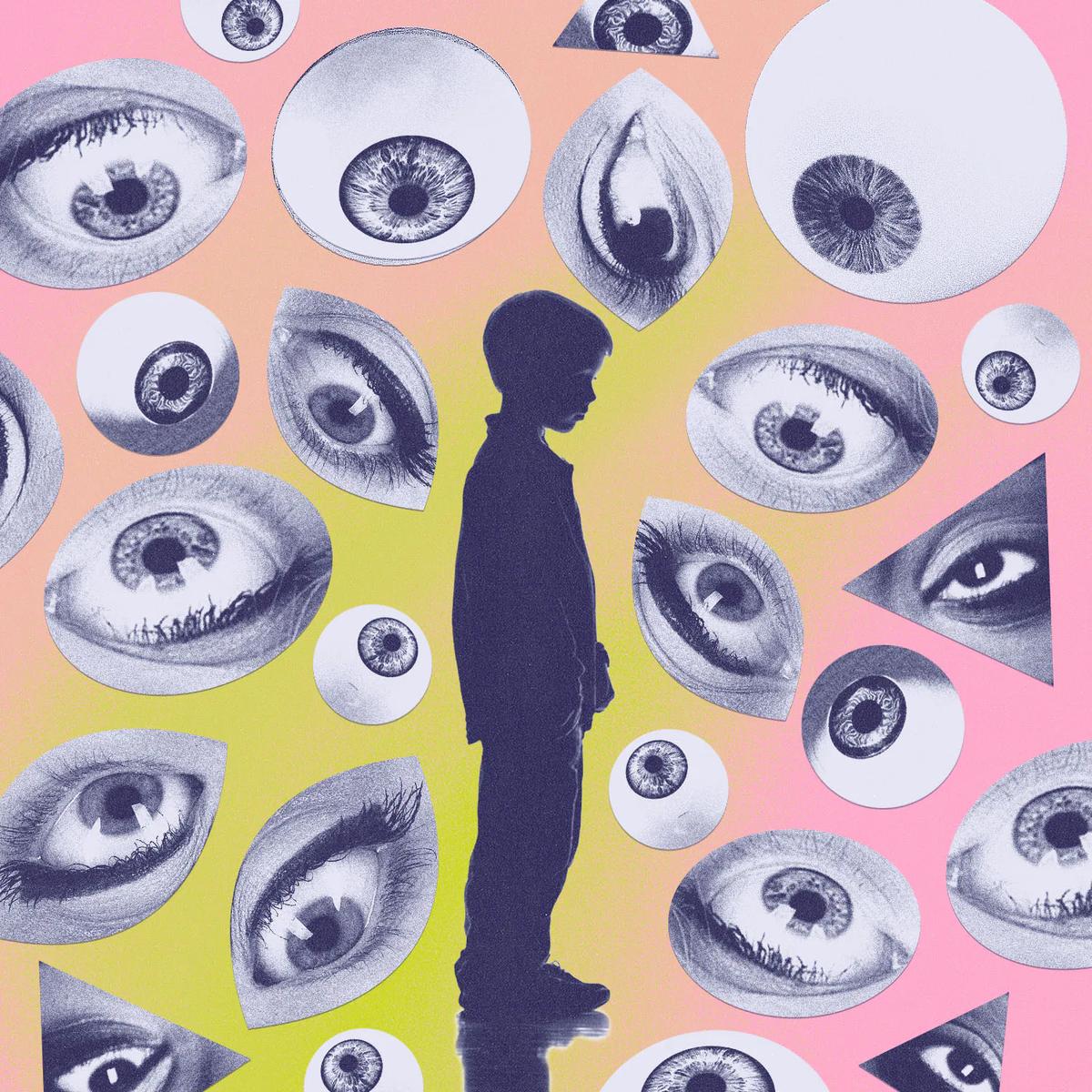
Reminder: That 'Bad Kid' You're Judging Could Very Well Be Autistic
Companies Mentioned
Why It Matters
Judgment of autistic behavior perpetuates stigma, affecting mental health and limiting inclusion in schools, workplaces, and consumer markets. Embracing neurodiversity drives better social outcomes and unlocks economic potential for businesses that value diverse talent.
Key Takeaways
- •Autistic children face judgment for non‑normative behaviors
- •Sensory regulation is essential for autistic well‑being
- •Societal norms pressure neurodivergent kids to conform
- •Inclusion improves safety, belonging, and mental health
- •Businesses benefit from neurodiversity hiring and supportive policies
Pulse Analysis
Autism awareness has moved beyond a single month of hashtags to a year‑round conversation about neurodiversity in public life. When parents and educators encounter autistic children who prefer sensory regulation—like shuffling feet or avoiding eye contact—the instinctive reaction is often to label the behavior as rude or disruptive. Yet research shows that such self‑soothing actions are critical for managing overstimulation and preventing meltdowns. Recognizing these needs as legitimate, rather than as problems to be fixed, creates a safer environment for autistic individuals and reduces the emotional burden on caregivers.
The broader societal impact of this shift is profound. Schools that adopt inclusive curricula and flexible classroom designs see higher engagement and lower dropout rates among neurodivergent students. In the workplace, companies that implement sensory‑friendly policies and provide clear communication channels report increased productivity and employee retention. These practices not only align with corporate social responsibility goals but also tap into a talent pool that brings unique problem‑solving abilities and creative perspectives, driving innovation across industries.
For businesses, the bottom line is clear: embracing neurodiversity is both an ethical imperative and a strategic advantage. Brands that authentically support autistic consumers—through accessible product design, clear marketing language, and inclusive customer service—gain loyalty from a growing demographic. Moreover, investors are increasingly rewarding firms with robust diversity, equity, and inclusion metrics. By moving from a mindset of “fixing” autistic behavior to one of understanding and accommodation, society can foster belonging, improve mental health outcomes, and unlock economic value for all stakeholders.
Reminder: That 'Bad Kid' You're Judging Could Very Well Be Autistic
Comments
Want to join the conversation?
Loading comments...