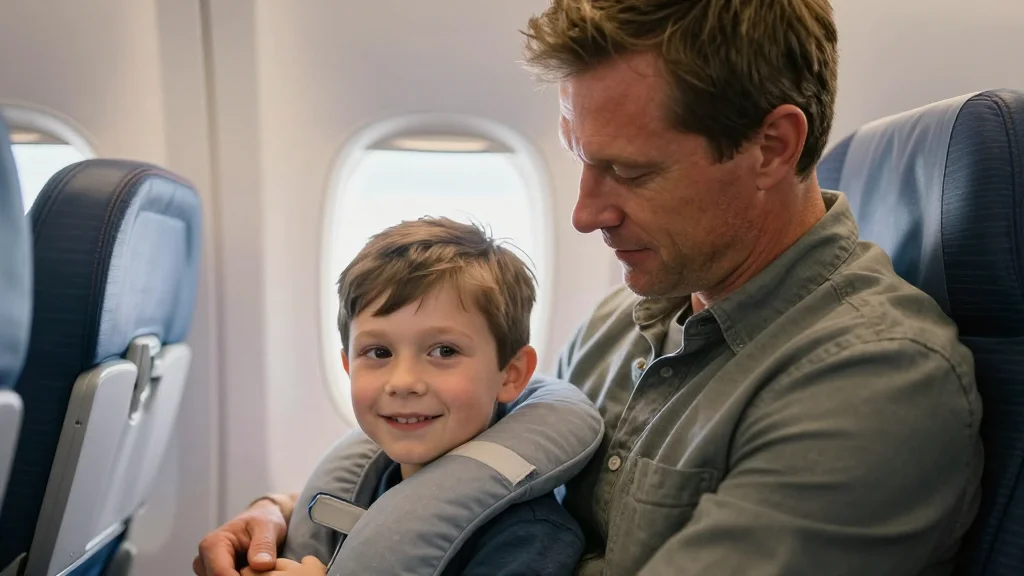
Salford Dad and Son Stop Disruptive Passenger, Jet2 Avoids Diversion

Why It Matters
The episode underscores how everyday acts of fatherhood can have outsized effects on public safety, reinforcing the social expectation that fathers model composure and problem‑solving under pressure. By highlighting a father‑son duo as heroes, the narrative expands the definition of paternal responsibility beyond domestic duties, influencing how media, employers, and policymakers view the role of fathers in community resilience. For the aviation industry, the incident offers a case study in leveraging passenger goodwill to mitigate in‑flight disruptions. Recognizing and rewarding such interventions may reduce the financial and operational costs associated with diversions, while also fostering a culture where passengers feel empowered to contribute positively to safety outcomes.
Key Takeaways
- •James Rose and his son Phoenix intervened on a Jet2 flight from Izmir to Manchester.
- •Their actions prevented a potential diversion after a passenger became violent and drunk.
- •Jet2 awarded both father and son free flight vouchers for their calm intervention.
- •The incident highlights evolving expectations of fathers as public safety contributors.
- •Airlines may consider formalizing passenger‑assisted de‑escalation protocols.
Pulse Analysis
The Rose incident arrives at a moment when airlines are under pressure to curb costly flight disruptions caused by unruly passengers. Traditionally, crew members bear the brunt of de‑escalation, but this case illustrates how empowered passengers—especially those embodying calm authority—can serve as force multipliers. Jet2’s public reward not only acknowledges the immediate benefit but also sets a precedent for incentivizing passenger involvement, potentially reshaping training curricula to include guidance on when and how to accept assistance from cabin occupants.
From a sociocultural perspective, the story taps into a broader redefinition of fatherhood that emphasizes emotional intelligence and community engagement. Media framing of Rose as a “real hero” and the emphasis on his son’s role reflect a shift toward celebrating fathers who actively participate in public life, not just private caregiving. This aligns with recent research linking visible paternal involvement to improved child outcomes and societal perceptions of gender roles. As more stories like this gain traction, we may see a feedback loop where fathers are encouraged to step forward in varied contexts, reinforcing a virtuous cycle of responsible masculinity.
Looking ahead, airlines could institutionalize a “Passenger Assistance Program,” offering modest incentives—such as vouchers or loyalty points—to passengers who successfully help resolve in‑flight incidents. Such a program would need clear guidelines to avoid liability issues, but the potential cost savings from avoided diversions could outweigh the modest rewards. Moreover, the positive publicity generated by recognizing everyday heroes like Rose could enhance brand reputation, positioning airlines as partners with their customers in ensuring safety and comfort.
Salford dad and son stop disruptive passenger, Jet2 avoids diversion
Comments
Want to join the conversation?
Loading comments...