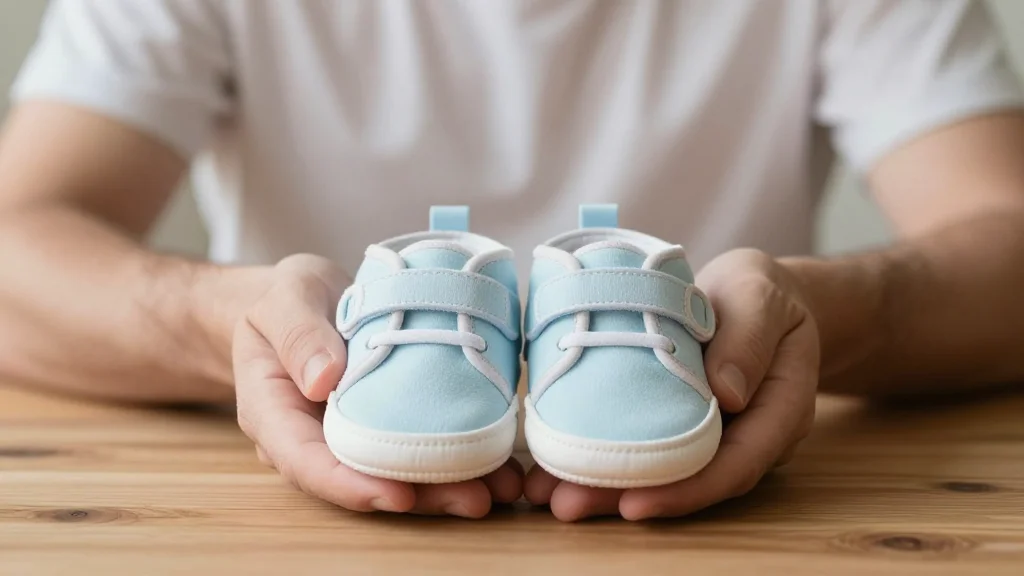
Sebastian Stan Opens Up About First-Time Fatherhood, Emphasizes Emotional Responsibility

Why It Matters
Sebastian Stan’s candid discussion of his impending fatherhood spotlights the emotional labor many new dads undertake, especially when entering parenthood later in life. By voicing his anxieties and commitment to learning, he normalizes the mental health challenges associated with the transition, potentially prompting other public figures and everyday fathers to seek support. This shift contributes to a broader societal redefinition of masculinity, where emotional openness and active parenting are increasingly valued. The story also underscores the influence of celebrity narratives on public attitudes toward fatherhood. When high‑profile individuals like Stan share personal struggles, they can accelerate cultural acceptance of paternal vulnerability, encouraging policy makers, educators, and healthcare providers to prioritize resources for fathers’ mental well‑being.
Key Takeaways
- •Sebastian Stan, 43, said "I want to be a good dad" during a Deadline interview while promoting Fjord.
- •He expressed feeling "the responsibility of being a good father" and is actively reading parenting books.
- •Stan and Annabelle Wallis' pregnancy was confirmed in April 2026 after a public sighting in New York.
- •The interview highlights a trend of men in their 40s becoming first‑time fathers and seeking emotional guidance.
- •Stan’s openness may influence broader conversations about paternal mental health and modern dad expectations.
Pulse Analysis
Sebastian Stan’s interview arrives at a moment when the public discourse around fatherhood is expanding beyond traditional stereotypes. Historically, male celebrities have rarely discussed the emotional complexities of parenting, often focusing on the logistical or financial aspects. Stan’s willingness to articulate his insecurities marks a departure from that norm and aligns with a wave of male public figures—such as actors, athletes, and musicians—who are openly addressing mental health and the nuanced responsibilities of modern fatherhood.
From a market perspective, this narrative can have ripple effects across industries tied to parenting. Publishers of parenting guides, mental‑health apps, and family‑focused brands may see increased engagement from fathers seeking resources that validate their experiences. Moreover, advertisers can leverage this shift by crafting campaigns that feature fathers in emotionally resonant roles, moving away from the stoic provider archetype.
Looking ahead, the sustained visibility of fathers like Stan could influence policy discussions around paternity leave and workplace flexibility. As more men publicly articulate the need for preparation and support, legislators and corporate leaders may feel pressure to expand family‑friendly benefits. The cultural momentum generated by such high‑profile stories suggests that the conversation about fatherhood will continue to evolve, with emotional authenticity becoming a central expectation for new dads.
Sebastian Stan Opens Up About First-Time Fatherhood, Emphasizes Emotional Responsibility
Comments
Want to join the conversation?
Loading comments...