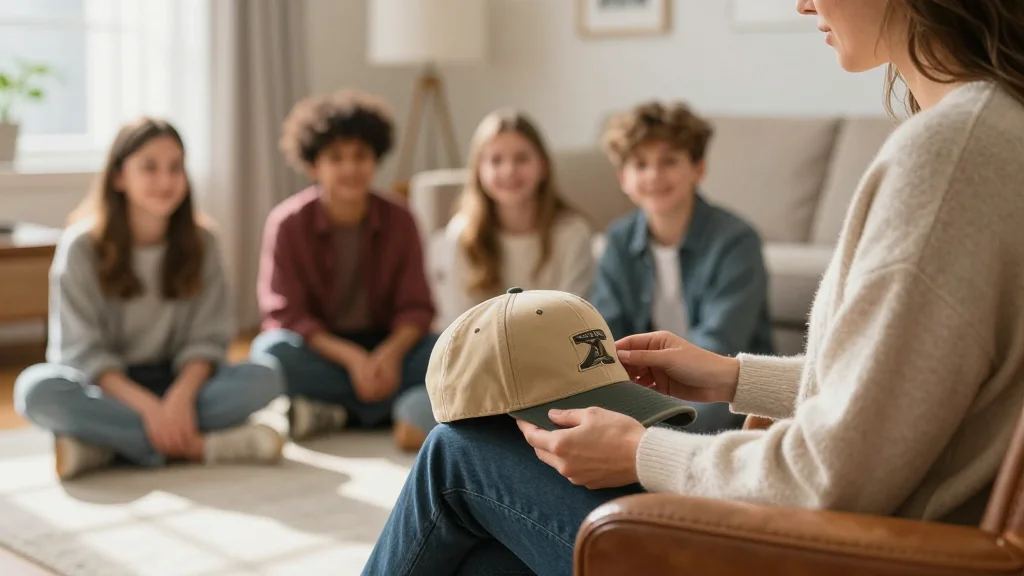
Sharon Stone Sets Up ‘Dad Questions’ Room for Sons, Boosting Open Dialogue

Why It Matters
The story illustrates a shift in how families negotiate gendered expectations around guidance and emotional support. By deliberately positioning herself as a father‑like figure, Stone demonstrates that parental roles can be customized to meet children’s needs, a notion gaining traction among psychologists and family counselors. This model may reduce the stigma attached to single mothers seeking to fill paternal gaps, encouraging more inclusive parenting practices. Moreover, the public nature of Stone’s disclosure brings visibility to the challenges faced by adoptive and single‑parent families. When a high‑profile actress shares a concrete solution, it validates the experiences of countless parents who lack a traditional father figure, potentially prompting broader cultural acceptance of diverse family structures.
Key Takeaways
- •Sharon Stone creates a dedicated ‘dad questions’ room for her three adopted sons.
- •The concept was revealed in a Variety interview with Keke Palmer.
- •Stone’s sons showed appreciation by giving her Father’s Day cards.
- •The initiative challenges traditional gender roles in parenting.
- •Experts see the approach as a template for single parents seeking to fill paternal gaps.
Pulse Analysis
Sharon Stone’s “dad questions” room is more than a personal anecdote; it signals a broader cultural re‑evaluation of parental authority. Historically, fathers have been cast as the primary source of advice on career, finances, and life‑skill topics, while mothers were associated with emotional nurturing. Recent research, however, suggests that children benefit from consistent, trustworthy guidance regardless of the parent’s gender. Stone’s deliberate framing of a mother as a father‑like mentor aligns with this evidence, offering a practical blueprint for families lacking a male parental figure.
The celebrity angle amplifies the impact. When a public figure adopts an unconventional parenting tactic, it can accelerate diffusion across social media and parenting forums. Stone’s story may inspire other single mothers, adoptive parents, and even dual‑parent households to experiment with designated “question rooms” or similar rituals that normalize open dialogue. The ripple effect could be measurable in increased discussions about gender‑neutral parenting in mainstream media and a rise in resources aimed at supporting non‑traditional family dynamics.
Looking ahead, the concept could evolve into a marketable product—think modular privacy pods or guided conversation kits marketed to families seeking structured communication tools. Companies that specialize in family wellness may see an opportunity to partner with influencers like Stone to develop such offerings. For now, the primary takeaway is that intentional, role‑flexible parenting can foster deeper trust, and Stone’s experiment provides a compelling case study for the next generation of family‑building strategies.
Sharon Stone Sets Up ‘Dad Questions’ Room for Sons, Boosting Open Dialogue
Comments
Want to join the conversation?
Loading comments...