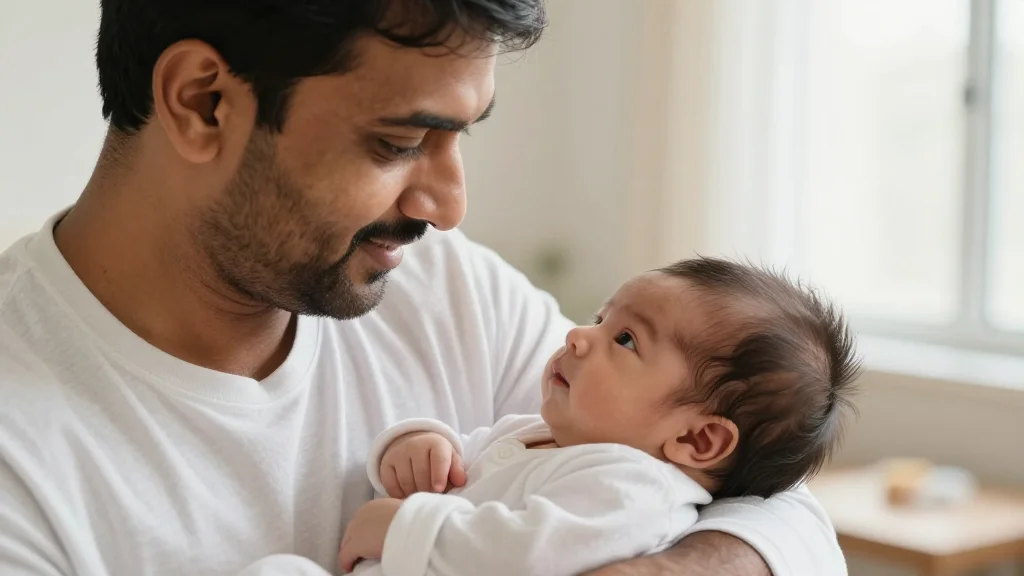
Singer Benny Dayal Says Fatherhood Has Transformed His Life and Music

Why It Matters
Dayal’s candid account highlights how fatherhood is reshaping the work‑life balance of high‑visibility professionals in India, signaling a shift toward more engaged parenting among men in the entertainment industry. When a popular singer publicly prioritises family time and acknowledges the moral weight of his platform, it can normalize similar choices for fans and peers, potentially influencing broader societal expectations around paternal involvement. Moreover, the interview illustrates how personal life events can feed directly into creative output. If Dayal’s future music reflects his experiences as a new dad, it may broaden the thematic palette of mainstream Indian pop, introducing more nuanced narratives about family, responsibility, and emotional growth.
Key Takeaways
- •Benny Dayal became a father in December 2025.
- •He says his life dynamics have "completely changed" and he feels more driven.
- •Dayal now aims to finish work early to spend evenings with his baby.
- •He acknowledges a heightened sense of responsibility in his public image.
- •He hopes his evolving perspective will naturally reflect in his music.
Pulse Analysis
Benny Dayal’s interview is more than a feel‑good human‑interest piece; it signals a broader cultural pivot in India where male celebrities are openly negotiating the demands of fame with the expectations of modern fatherhood. Historically, Indian pop culture has celebrated the archetype of the carefree bachelor or the distant patriarch. Dayal’s admission that he deliberately curtails late‑night studio sessions and integrates lullabies into his routine challenges that narrative, offering a template for a more hands‑on, emotionally attuned father figure.
From a market perspective, this shift could have ripple effects on the entertainment industry’s branding strategies. Record labels and event promoters may increasingly position male artists as family‑oriented role models, leveraging their parental stories to connect with a growing demographic of young, urban parents. This aligns with advertisers’ recent focus on family‑centric messaging in India’s booming consumer market. If Dayal’s forthcoming music incorporates themes of fatherhood, it could open new licensing opportunities for family‑focused media, from streaming playlists to television soundtracks.
Looking forward, the sustainability of this trend will depend on how authentically artists like Dayal can integrate their personal evolution into their public personas without it feeling contrived. The audience’s appetite for genuine storytelling appears strong, but the industry must balance commercial exploitation with respect for the private dimensions of parenthood. Dayal’s journey will be a bellwether: if his next releases resonate, it may encourage more male artists to share similar narratives, gradually reshaping the cultural script around Indian fatherhood.
Singer Benny Dayal Says Fatherhood Has Transformed His Life and Music
Comments
Want to join the conversation?
Loading comments...