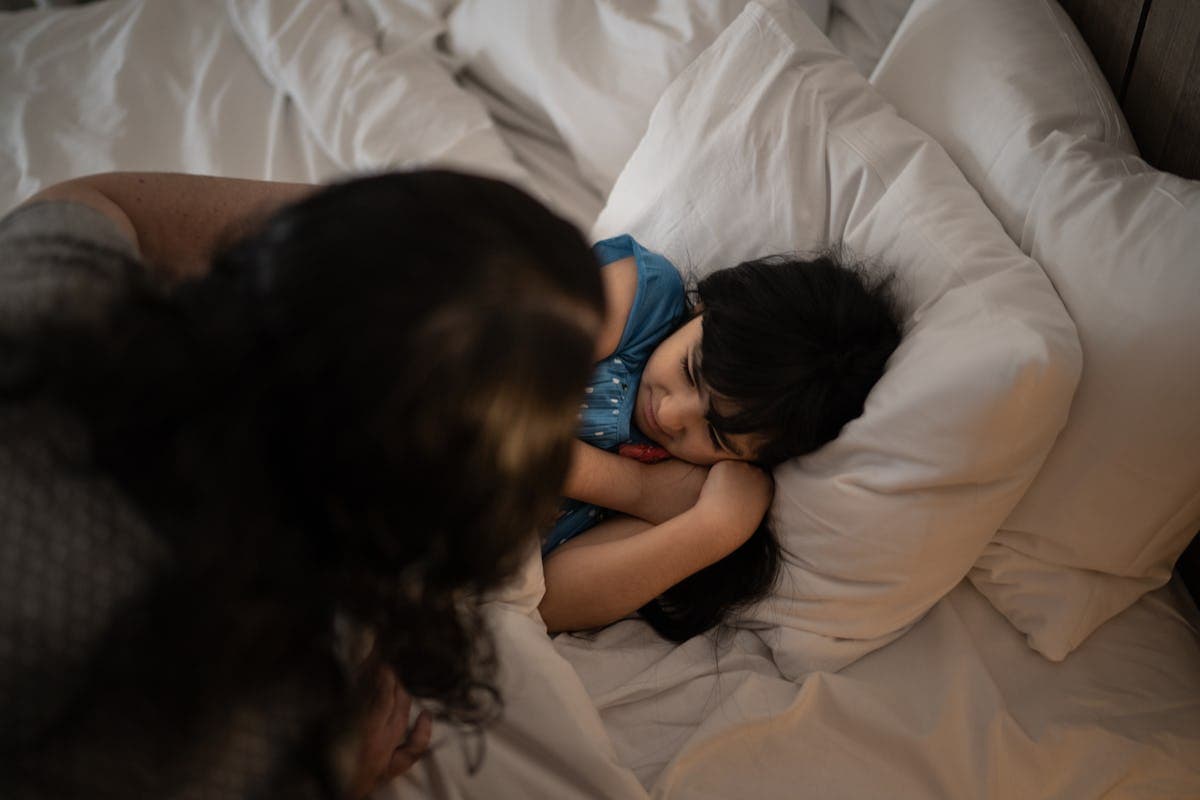
Sleep Anxiety In Kids Is Real. Here's What’s Working In My House To Combat It.
•March 2, 2026
0
Why It Matters
Sleep anxiety hampers children’s cognitive and emotional development, and parental strategies shape lifelong resilience. Non‑pharmaceutical routines offer sustainable solutions amid growing demand for child‑friendly sleep aids.
Key Takeaways
- •Melatonin offers temporary relief, but habits build lasting sleep
- •Bedtime breathing and lavender create calming sensory cues
- •Screen‑free hour before bed reduces stimulation and anxiety
- •Teaching children to tolerate discomfort strengthens emotional resilience
- •Consistent rituals signal safety, improving child’s self‑regulation
Pulse Analysis
Sleep anxiety is increasingly common among school‑age children, with pediatricians reporting that up to 30% of kids experience bedtime resistance. While melatonin supplements have surged in popularity—driven by a market projected to exceed $1 billion by 2028—they address only the symptom, not the underlying stress response. Overreliance on pharmacologic aids can mask deeper issues, such as heightened cortisol levels and impaired emotional regulation, which can affect academic performance and mental health later in life.
Behavioral interventions, however, tap into the brain’s natural relaxation pathways. Simple practices like diaphragmatic breathing, gentle tactile stimulation with lavender lotion, and a strict screen‑free window before lights out have been shown to lower heart rate and promote melatonin production naturally. Research from child‑development labs indicates that consistent sensory cues signal safety to the nervous system, reducing the hyper‑arousal that fuels insomnia. Parents who model calm communication and validate fear also help children reframe anxiety as a manageable feeling rather than a threat.
The long‑term payoff of these routines extends beyond better sleep. Children who learn to sit with discomfort develop stronger executive function, higher frustration tolerance, and a growth mindset—qualities prized by educators and future employers. For the broader industry, this shift underscores a growing niche for evidence‑based, non‑drug sleep solutions, from smart lighting to guided meditation apps tailored for kids. As families prioritize holistic health, the demand for tools that reinforce self‑regulation is likely to rise, reshaping how the market supports pediatric sleep wellness.
Sleep Anxiety In Kids Is Real. Here's What’s Working In My House To Combat It.
0
Comments
Want to join the conversation?
Loading comments...