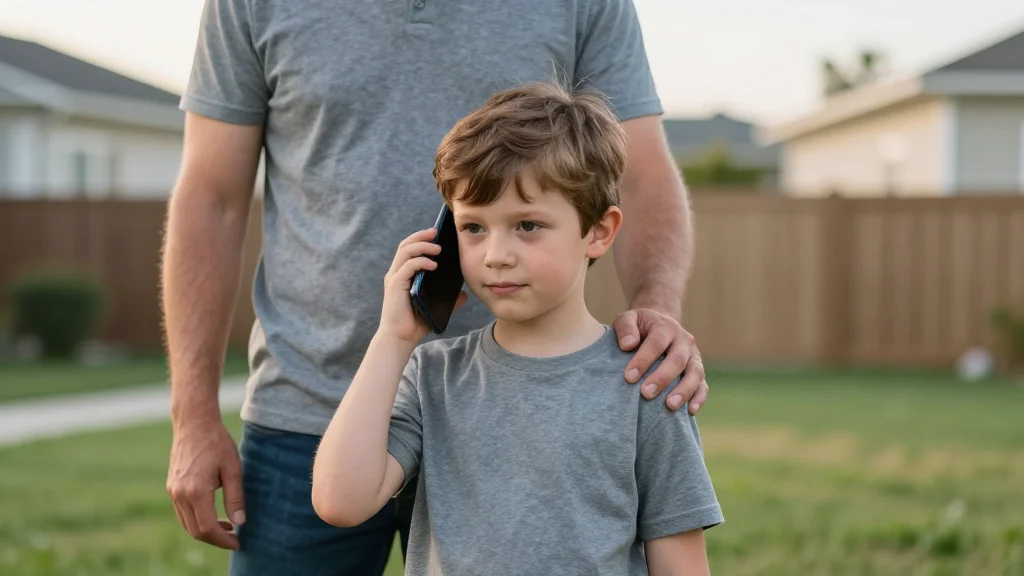
Spokane Fire Dept. Honors 7‑Year‑Old for 911 Call That Saved His Father's Life

Why It Matters
The incident spotlights a shifting narrative in fatherhood, where children are not only recipients of paternal guidance but also protectors in crisis. Londyn’s decisive action challenges traditional notions of parental dependency and underscores the importance of emergency education for all ages. Moreover, the case amplifies the opioid epidemic’s reach into everyday households, illustrating how accidental exposure can jeopardize family stability and highlighting the urgent need for accessible medical support and education. By honoring a child for lifesaving bravery, the Spokane Fire Department sends a powerful message about community responsibility and the intergenerational bonds that can mitigate public health crises. The story may inspire other municipalities to incorporate youth-focused emergency training, potentially reducing overdose fatalities nationwide.
Key Takeaways
- •Londyn Braley, 7, received Spokane Fire Dept.'s Citizen Community Lifesaving Award for dialing 911 during his father's overdose.
- •Steve Braley overdosed on fentanyl mistakenly taken as hydrocodone, leading to a near‑fatal emergency.
- •Paramedics administered two doses of Narcan and performed CPR, reviving Braley after seven minutes.
- •Firefighter Kasey Austin praised the boy’s quick planning and execution, noting it’s rare for anyone to act so decisively.
- •The event highlights opioid risks, lack of health insurance, and the push for youth emergency‑response education.
Pulse Analysis
Londyn Braley’s story reframes the father‑son dynamic in a way that resonates beyond a single heroic act. Historically, media coverage of fatherhood has centered on men as providers and protectors. This incident flips that script, positioning a child as the immediate savior, which may influence how families discuss emergency preparedness. The narrative also dovetails with a broader societal reckoning on opioid misuse, especially among uninsured workers who turn to informal medication sources. As policymakers grapple with prescription safety, the public visibility of a child’s role could accelerate community‑level interventions, such as school‑based Narcan training and broader distribution of overdose‑reversal kits.
From a market perspective, the story could spur demand for child‑friendly emergency education tools and apps that teach 911 dialing protocols. Companies that produce educational content for schools may see increased interest, while local health providers might partner with fire departments to offer free training sessions. The emotional resonance of a child protecting a father also offers a compelling narrative for public‑service campaigns, potentially attracting sponsorships from pharmaceutical firms seeking to improve their public image amid the opioid crisis.
Looking ahead, the Braley case may become a reference point for legislation aimed at expanding access to affordable pain management and overdose‑prevention resources. If municipalities adopt policies that integrate youth training into emergency response frameworks, we could see measurable reductions in overdose mortality rates, especially in underserved communities. The ripple effect of this single act of bravery could thus reshape both cultural expectations of fatherhood and practical approaches to public health safety.
Spokane Fire Dept. Honors 7‑Year‑Old for 911 Call That Saved His Father's Life
Comments
Want to join the conversation?
Loading comments...