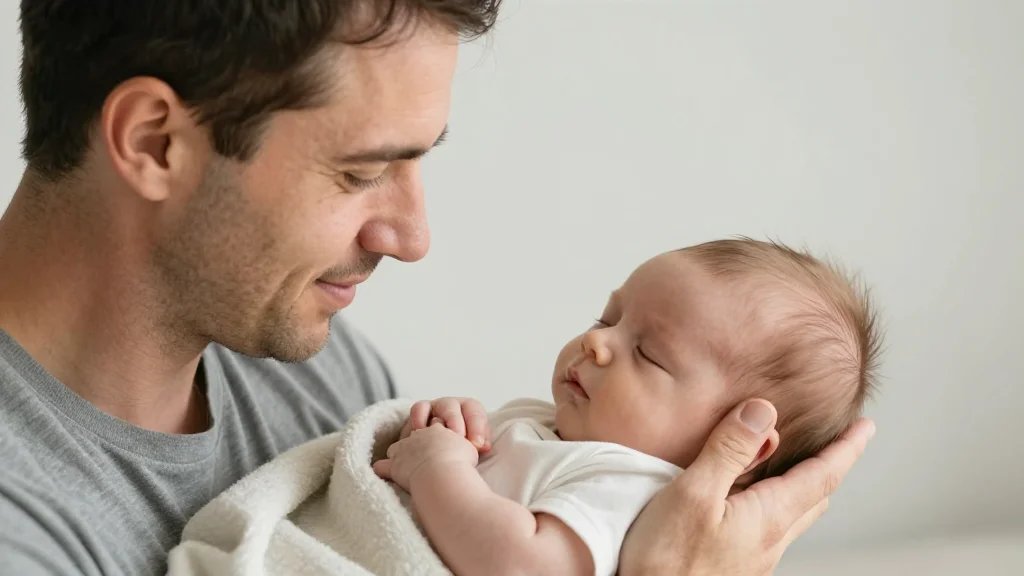
Stay‑At‑Home Dad Kelvin Saik Challenges German‑Style Masculine Norms

Why It Matters
Kelvin Saik’s profile highlights a growing friction between traditional masculine ideals and the realities of modern parenting. As more fathers assume primary‑carer roles, the cultural narrative around masculinity is being renegotiated, influencing workplace policies, mental‑health outcomes, and gender‑equality metrics. The rise in primary‑carer leave suggests that economic pressures and shifting social values are converging to reshape family structures. If the trend continues, it could accelerate reforms in parental‑leave legislation, encourage employers to adopt more inclusive benefits, and diminish the stigma attached to men who prioritize caregiving. Conversely, resistance from online communities that champion rigid gender roles may slow progress, creating a contested space where policy, culture, and economics intersect.
Key Takeaways
- •Kelvin Saik, 40, became primary carer for two sons while freelancing as a videographer in Sydney.
- •Australian fathers now make up 17% of primary‑carer leave, up from 12% in 2022.
- •Dr. Simon Copland links the manosphere’s breadwinner narrative to resistance against stay‑at‑home dads.
- •75% of Australian men say they wish they had taken more parental leave.
- •Economic uncertainty is prompting some younger men to revert to traditional masculinity models.
Pulse Analysis
The Kelvin Saik story is a micro‑cosm of a broader reconfiguration of fatherhood in affluent economies. Historically, the male provider model was reinforced by post‑war labor markets that rewarded long‑hour, single‑income households. Today, automation, gig work, and pandemic‑induced remote arrangements have eroded that stability, prompting families to redistribute labor at home. Kelvin’s ability to maintain a freelance income while caring for his children illustrates a hybrid model that could become mainstream if employers recognize caregiving as a skill rather than a liability.
The manosphere’s backlash, as documented by Dr. Copland, underscores a cultural lag. Online echo chambers amplify fear that caregiving erodes masculinity, yet the data shows a steady rise in paternal leave uptake and a strong desire among men for more involvement. This dissonance creates a fertile ground for policy interventions: targeted paternity‑leave subsidies, public campaigns that normalize male caregiving, and corporate flexibility can tip the balance toward a new norm.
In the long term, the normalization of stay‑at‑home dads like Kelvin could reshape labor market dynamics, reducing gender wage gaps and expanding the talent pool for women. However, the persistence of traditionalist narratives suggests that progress will be uneven, requiring sustained advocacy and evidence‑based messaging to shift public perception. The next few years will likely see a tug‑of‑war between economic necessity driving men into the home and cultural forces pulling them back into the breadwinner archetype.
Stay‑At‑Home Dad Kelvin Saik Challenges German‑Style Masculine Norms
Comments
Want to join the conversation?
Loading comments...