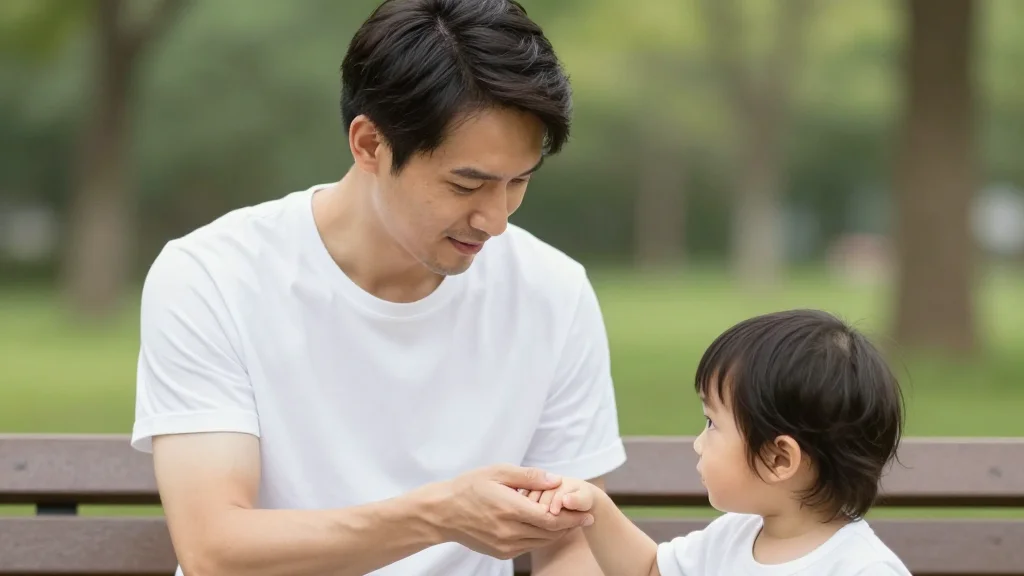
Taiwanese TV Host Di Zhi‑wei Says His Kids Taught Him to Let Go of Control

Why It Matters
Di Zhi‑wei’s candid account illustrates a growing recognition that effective fatherhood involves more than authority; it requires listening and emotional attunement. In societies where paternal roles have long been defined by provision and discipline, his story challenges entrenched norms and offers a template for fathers seeking deeper connections with their children. The shift could influence parenting workshops, corporate family‑friendly policies, and media portrayals of dads, gradually reshaping expectations around male caregiving. Moreover, the memoir’s popularity may encourage other public figures to discuss their parenting challenges, creating a feedback loop that normalizes vulnerability among fathers. As more dads adopt a listening stance, children may experience improved mental health outcomes, fostering a generation that values open communication.
Key Takeaways
- •Di Zhi‑wei, veteran TV host, reveals he stopped interrogating his sons after a blunt comment.
- •He replaced “Did you finish your homework?” with “Anything you want to talk about?”
- •His son said, “Because you’re not interrogating me now, it feels like you really want to know.”
- •The experience is detailed in his new book *Accompanying You While Growing Up Makes Me a Better Me*.
- •Di plans a series of talks on emotional‑intelligent fatherhood later in 2026.
Pulse Analysis
Di Zhi‑wei’s transformation reflects a broader pivot in Asian fatherhood narratives, moving from hierarchical to collaborative models. Historically, paternal authority in Taiwan and neighboring cultures has been linked to academic oversight and strict discipline. Recent research, however, shows that children who perceive their fathers as emotionally available exhibit higher academic motivation and lower anxiety. Di’s public admission of past over‑control and his subsequent adoption of a listening approach serve as a case study for this emerging paradigm.
From a market perspective, the fatherhood segment is seeing a surge in books, podcasts, and seminars that focus on emotional intelligence. Companies that produce parenting content are now courting male audiences, a demographic previously under‑served. Di’s upcoming talks could attract sponsorships from wellness brands and educational tech firms eager to align with progressive parenting messages. If his narrative gains traction, we may see a measurable uptick in demand for father‑focused resources, prompting media outlets to feature more stories that humanize paternal experiences.
Looking ahead, the key question is whether high‑profile endorsements like Di’s will translate into sustained behavioral change among ordinary fathers. The answer will likely depend on the availability of practical tools—conversation starters, active‑listening workshops, and peer support groups—that bridge the gap between insight and action. As the conversation evolves, we can expect a richer ecosystem of father‑centric services, reshaping how societies define and support the role of dads.
Taiwanese TV Host Di Zhi‑wei Says His Kids Taught Him to Let Go of Control
Comments
Want to join the conversation?
Loading comments...