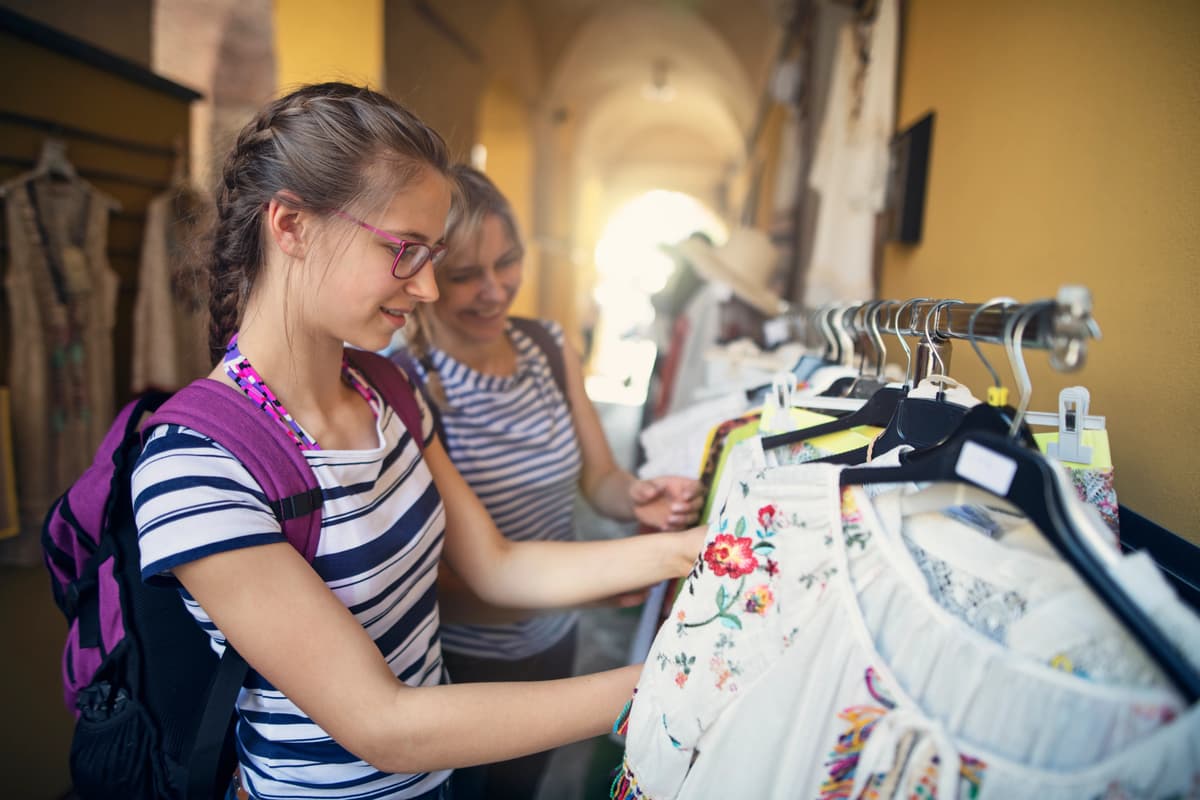
Thrifting Has Helped My Daughter Understand Life’s Thornier Topics
Companies Mentioned
Why It Matters
The story illustrates how sustainable fashion can double as a framework for life‑skill education and emotional connection, highlighting a niche where resale retailers can add community‑building value.
Key Takeaways
- •Thrift stores provide low‑cost, gender‑specific clothing for transitioning children
- •Rehomed garments create emotional narratives that reinforce family bonds
- •Used‑clothing shopping teaches financial prudence and environmental awareness
- •Intergenerational item exchange turns decluttering into legacy‑building moments
- •Parents can leverage thrifting to discuss aging, illness, and mortality
Pulse Analysis
Thrifting has moved from a fringe hobby to a mainstream solution for families seeking both affordability and sustainability. As fast‑fashion backlash intensifies, resale platforms and local consignment shops report double‑digit growth, driven by consumers who value lower price points and reduced environmental impact. For parents, these stores offer more than savings; they provide a flexible wardrobe that can evolve with a child’s changing needs, from size spikes to gender expression, without the financial strain of constantly buying new pieces.
Beyond economics, the act of rehoming pre‑owned garments creates a narrative bridge between generations. When a child receives a dress that once belonged to another girl, the story attached to the item becomes a teaching moment about empathy, stewardship, and the lifecycle of consumer goods. Adopted families, in particular, find resonance in the metaphor of finding a perfect fit among previously loved items, reinforcing identity and belonging. This emotional layer turns routine shopping trips into opportunities to discuss broader topics such as financial responsibility, climate change, and the impermanence of material possessions.
Retailers that recognize this dual value proposition can differentiate themselves by curating experiences that highlight provenance and personal stories. In‑store events, digital tags that trace an item’s history, and community‑driven resale programs foster a sense of shared ownership and legacy. By positioning thrift stores as venues for intergenerational dialogue, the industry not only taps into a growing market but also contributes to societal shifts toward mindful consumption and deeper family connections.
Thrifting Has Helped My Daughter Understand Life’s Thornier Topics
Comments
Want to join the conversation?
Loading comments...