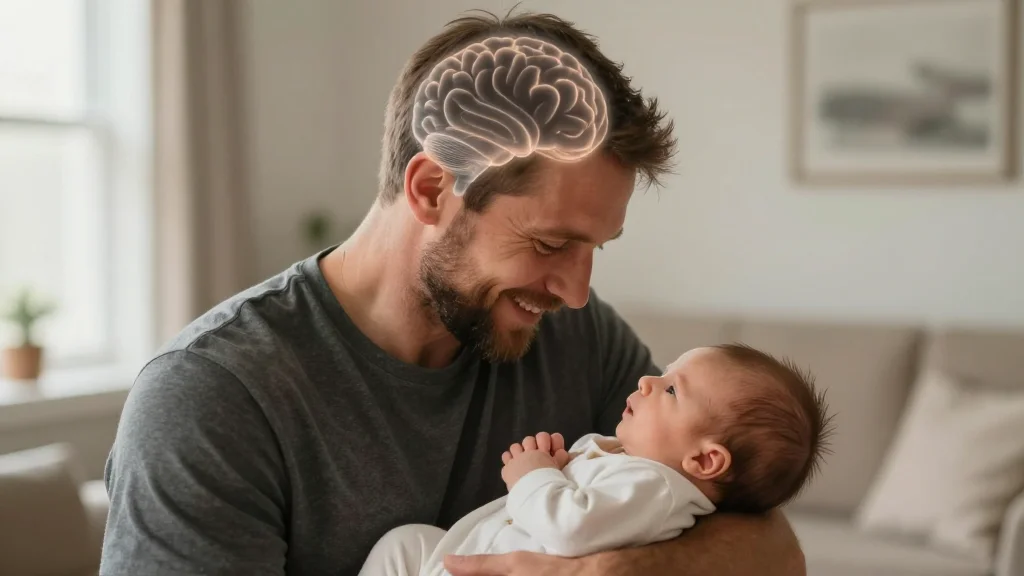
USC Study Finds New Fathers Lose Gray Matter, Gaining Brain Efficiency

Why It Matters
The USC findings provide concrete biological evidence that fatherhood is not merely a social role but a neurobiologically driven transformation. By demonstrating that paternal brain plasticity aligns with empathy and caregiving, the study validates calls for policies that support fathers during the critical postpartum period. Moreover, the link between paid paternity leave and reduced stress underscores how structural supports can amplify the positive aspects of these neural changes while mitigating mental‑health risks. Beyond policy, the research reshapes public discourse on masculinity. By framing fatherhood as a form of "pro‑social masculinity," the study challenges stereotypes that equate male identity with stoicism and disengagement. This could influence parenting programs, corporate culture, and educational curricula, encouraging a more inclusive view of caregiving responsibilities that benefits children, partners, and society at large.
Key Takeaways
- •First‑time dads lose gray‑matter volume after birth, indicating neural pruning.
- •Brain reductions occur in empathy‑related regions, suggesting increased caregiving efficiency.
- •Higher paternal engagement correlates with greater stress and occasional depressive symptoms.
- •Paid paternity leave is linked to lower stress for fathers and reduced maternal depression.
- •Upcoming book *Dad Brain* expands on neuroplasticity, identity, and policy implications.
Pulse Analysis
The USC study arrives at a moment when the United States lags behind many peer nations on parental leave. By grounding the conversation in neuroscience, it offers a compelling counterpoint to purely economic or moral arguments. Employers can now cite data that supporting fathers not only improves family well‑being but may also enhance workplace performance through more emotionally attuned, resilient employees. Historically, paternal involvement has risen slowly; this research could accelerate that trend by providing a tangible, biological rationale for change.
From a market perspective, the findings open avenues for new products and services aimed at new dads. Digital health platforms may develop brain‑training modules that align with the identified neural pathways, while insurers could design mental‑health plans that specifically address the stress spikes observed in highly engaged fathers. Academic institutions may also see increased demand for interdisciplinary programs that blend psychology, neuroscience, and public policy, positioning fatherhood research as a growth sector.
Looking forward, the longitudinal component of Saxbe's work will be critical. If the brain efficiency gains prove durable, they could reshape how society views paternal leave—not as a temporary accommodation but as an investment in long‑term cognitive and emotional capital. Conversely, if the changes revert without sustained support, it would underscore the necessity of ongoing policy and cultural reinforcement. Either outcome will inform future legislation, corporate benefits, and the broader narrative of what it means to be a modern father.
USC Study Finds New Fathers Lose Gray Matter, Gaining Brain Efficiency
Comments
Want to join the conversation?
Loading comments...