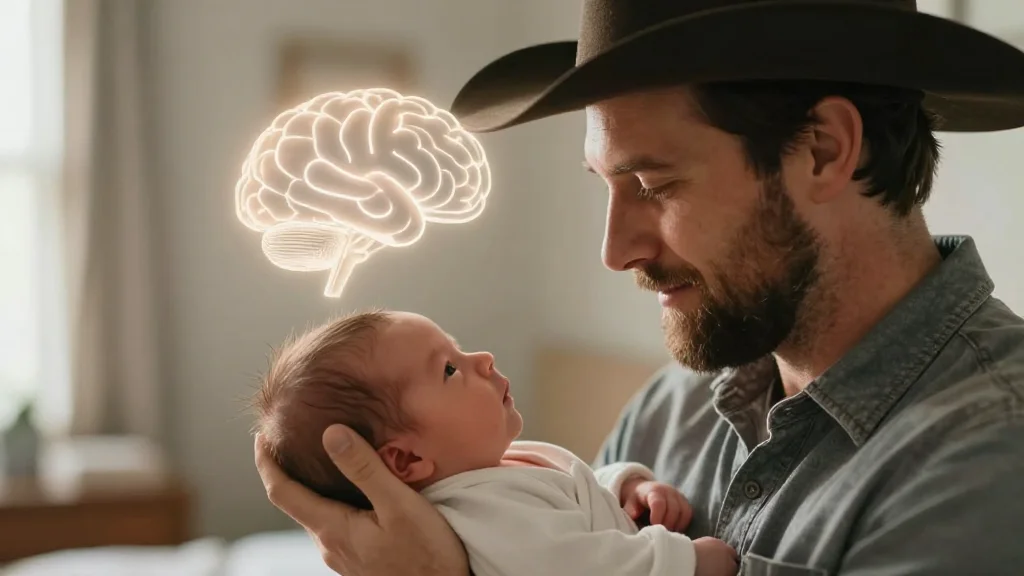
USC Study Shows New Dads Lose Gray Matter, Gain Brain Efficiency

Why It Matters
The discovery that fatherhood triggers measurable brain remodeling reshapes both scientific and public narratives about male caregiving. By linking neural efficiency to paternal involvement, the research provides a biological foundation for policies such as paid paternity leave, which can reduce stress and improve outcomes for both parents. Moreover, the findings challenge gendered stereotypes, suggesting that men can develop heightened empathy and social cognition through active parenting, which may influence everything from workplace flexibility to mental‑health interventions. Understanding the ‘dad brain’ also opens new avenues for addressing paternal postpartum depression, a condition historically under‑diagnosed. If brain changes are tied to both engagement and stress, early support structures could mitigate mental‑health risks, benefiting entire families and reducing long‑term societal costs associated with untreated depression.
Key Takeaways
- •First‑time fathers lose gray‑matter volume after birth, per longitudinal USC scans
- •Greater paternal engagement correlates with larger brain reductions and higher empathy
- •Study links paid paternity leave to lower stress for dads and reduced maternal depression
- •Findings support a shift toward ‘pro‑social masculinity’ and challenge caregiving stereotypes
- •Book Dad Brain releases in June, promising broader research on diverse populations
Pulse Analysis
The USC study arrives at a moment when corporations and governments are reevaluating parental‑leave policies. Historically, paternity leave has lagged behind maternity benefits, often justified by assumptions that men are less biologically inclined to caregiving. Saxbe’s data undercuts that premise, offering concrete neurobiological evidence that men’s brains adapt when they invest time in parenting. This could accelerate legislative pushes for gender‑neutral leave, as lawmakers now have a scientific argument to complement equity‑based rhetoric.
From a market perspective, the findings may spur demand for products and services aimed at engaged fathers—ranging from mental‑health apps tailored to paternal stress to parenting workshops that emphasize neuro‑developmental benefits. Companies that position themselves as supportive of ‘pro‑social masculinity’ could capture a growing demographic of fathers seeking resources that validate their evolving role.
Looking ahead, the key question is scalability. The current sample, while robust, is limited in size and demographic breadth. If subsequent studies confirm that gray‑matter reductions and associated empathy gains are universal, the narrative could shift from a niche academic insight to a cornerstone of public health policy. Until then, the conversation will likely focus on how to translate these early findings into actionable workplace and healthcare reforms that recognize fatherhood as a critical period of neuroplastic change.
USC Study Shows New Dads Lose Gray Matter, Gain Brain Efficiency
Comments
Want to join the conversation?
Loading comments...