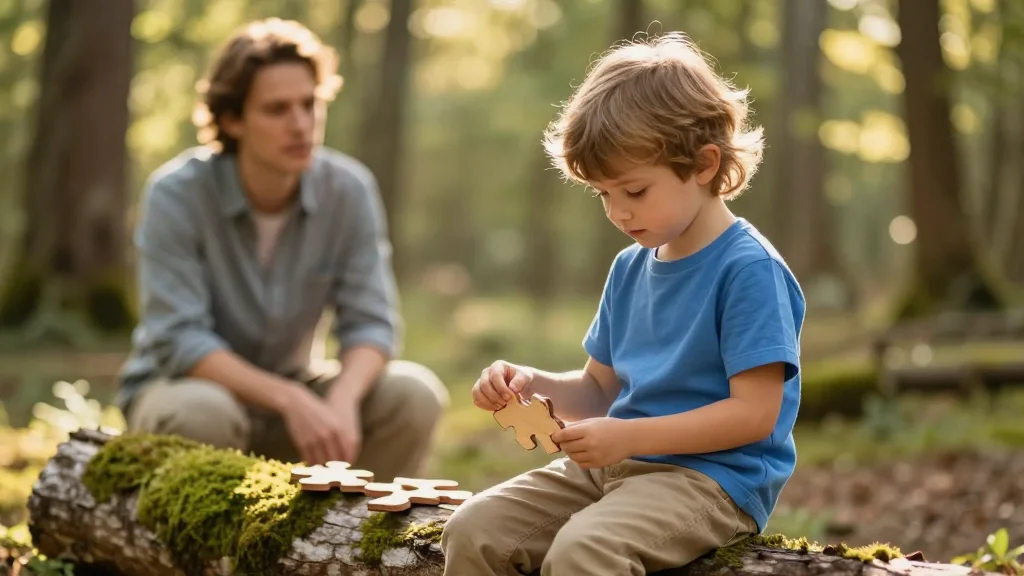
We Thought Homeschool Was Best for Our Kids. They Proved Us Wrong.
Why It Matters
The story illustrates how demanding entrepreneurial schedules can strain homeschooling, prompting a move toward hybrid models like Montessori that blend philosophy with social structure—an insight relevant to parents and educators navigating modern work‑family dynamics.
Key Takeaways
- •Homeschooling became unsustainable as business demands increased.
- •Outdoor nature preschool boosted son's social skills and confidence.
- •Montessori provided balanced structure aligning with parents' educational philosophy.
- •Flexibility in parenting mirrors essential entrepreneurial skill.
- •Parents regained work‑life balance after enrolling children in school.
Pulse Analysis
Homeschooling has surged in the United States, driven by parents seeking personalized curricula and freedom from traditional classroom constraints. For entrepreneurial families, however, the model can clash with the unpredictable hours and intense focus required to grow a business. The case of this couple underscores a hidden cost: while they initially enjoyed the flexibility to teach at the zoo and explore museums, the escalating demands of their ventures left little bandwidth for consistent, high‑quality instruction, leading to stress and reduced productivity on both fronts.
Nature‑based preschools and Montessori schools have emerged as compelling alternatives that marry experiential learning with socialization. Outdoor programs, like the one the family tried, foster peer interaction, physical confidence, and emotional resilience—attributes often missing from isolated home instruction. Montessori’s emphasis on self‑directed activity, hands‑on materials, and mixed‑age classrooms aligns with the parents’ original philosophy while delivering the routine and community they needed. Market data shows enrollment in such hybrid models growing double‑digit percentages annually, reflecting broader parental demand for education that supports both developmental and practical needs.
The broader lesson for business owners and policymakers is the value of flexibility in both work and education. Adaptive schooling options allow parents to maintain entrepreneurial momentum without sacrificing child development. As remote work normalizes, we can expect more families to adopt blended approaches—part‑time homeschooling supplemented by structured, socially rich environments. This evolution could reshape the education sector, prompting schools to offer modular, experience‑focused programs that cater to the dynamic schedules of modern households.
We thought homeschool was best for our kids. They proved us wrong.
Comments
Want to join the conversation?
Loading comments...