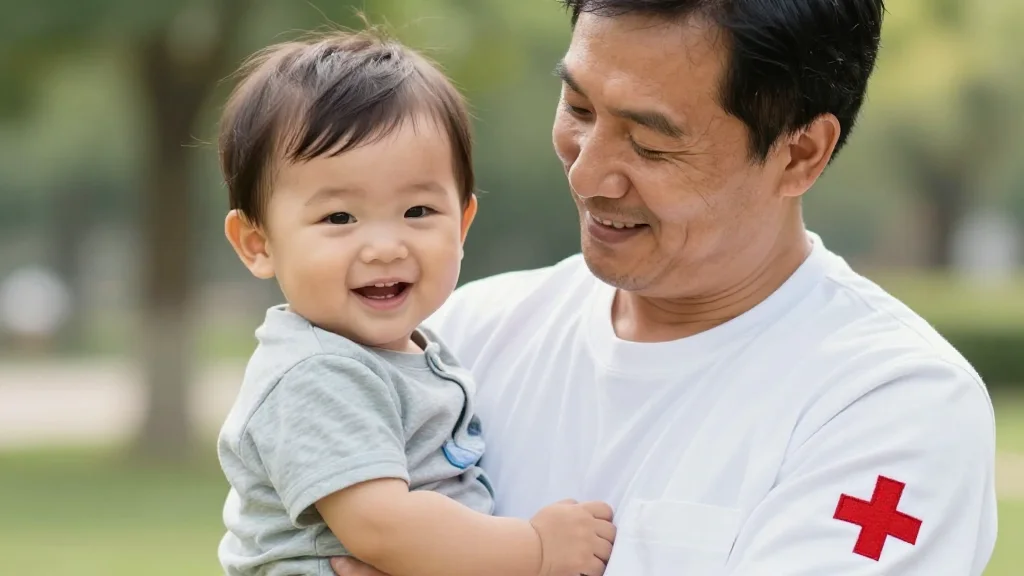
WHO Webinar Highlights Health Sector Strategies to Empower Fathers in Child Care

Why It Matters
Father involvement is linked to improved child health outcomes, higher school readiness, and reduced behavioral problems. By embedding father‑specific resources into health services, governments can address gendered caregiving disparities and strengthen family resilience. The WHO’s initiative also signals to donors that paternal support is a measurable, scalable component of public health strategy. Moreover, the focus on data collection and cross‑sector coordination creates a feedback loop that can inform future policies on parental leave, workplace flexibility, and community outreach. As more health systems adopt these practices, the cumulative effect could reshape societal expectations around fatherhood and caregiving.
Key Takeaways
- •WHO, Child Health Task Force, and ECD Action Network hosted a global webinar on father‑focused health support
- •Pilot programs in Jordan increased paternal attendance at prenatal visits
- •Tanzania’s initiative linked fathers to child growth monitoring, boosting father‑child interaction
- •Guidance document to be released later this year with templates for national health ministries
- •Follow‑up roundtable scheduled for September to assess scaling and adaptation
Pulse Analysis
The WHO’s recent webinar marks a strategic pivot for the health sector, moving from a mother‑centric model to a more balanced parental framework. Historically, health programs have prioritized maternal health because of its direct impact on pregnancy outcomes. However, emerging research underscores that fathers contribute significantly to child nutrition, mental health, and educational attainment. By formalizing father‑specific interventions, the WHO is translating academic findings into operational policy.
From a market perspective, this shift opens opportunities for NGOs, digital health startups, and pharmaceutical firms to develop father‑targeted tools—ranging from mobile counseling apps to educational video series. Companies that can demonstrate measurable improvements in paternal engagement will likely attract funding from multilateral donors seeking high‑impact interventions. At the same time, health ministries will need to reallocate training budgets and redesign service pathways, a process that may encounter resistance in systems accustomed to entrenched gender norms.
Looking forward, the success of the Jordan and Tanzania pilots will be a litmus test for scalability. If data show sustained increases in father participation and downstream health benefits, we can expect a cascade of similar programs across Africa, Asia, and Latin America. The upcoming guidance document will be critical; its clarity and adaptability will determine whether low‑resource settings can adopt the model without extensive external support. Ultimately, the initiative could redefine paternal involvement as a standard metric in public health reporting, reshaping how societies measure and support caregiving capacity.
WHO Webinar Highlights Health Sector Strategies to Empower Fathers in Child Care
Comments
Want to join the conversation?
Loading comments...