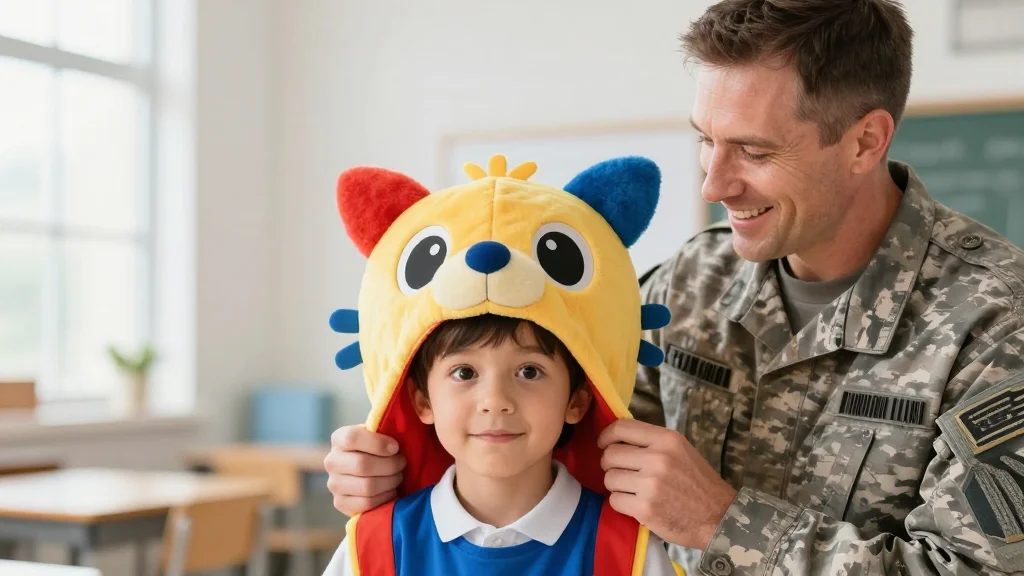
Wisconsin Soldier Surprises Son in Mascot Reveal After 11‑Month Deployment

Why It Matters
The Wemmer reunion spotlights the emotional weight of military deployments on fathers, a demographic often eclipsed by narratives centered on mothers. By publicly celebrating a dad’s return, the story challenges stereotypes about male caregiving and underscores the need for targeted reintegration resources that address paternal mental health and bonding. Moreover, the viral spread of the video demonstrates how personal anecdotes can shape public perception, potentially influencing policy decisions around family support programs for service members. For the broader fatherhood conversation, the incident illustrates how creative, community‑backed gestures can bridge the gap created by long separations. As more military families turn to schools, churches, and social media for support, the narrative may shift toward a more inclusive understanding of fatherhood that embraces both the protector and the nurturer roles, especially in the context of service‑related absences.
Key Takeaways
- •Staff Sgt. Ethan Wemmer returned after an 11‑month Middle East deployment.
- •He surprised his second‑grade son, Linkon, by appearing as Kegonsa Elementary’s mascot, Gilly.
- •The reunion video garnered nearly 5,000 likes and widespread social media attention.
- •Principal Erin Conrad helped coordinate the surprise, describing it as “nerve‑wracking but special.”
- •The story fuels discussion on military fatherhood and reintegration support programs.
Pulse Analysis
The Wemmer story arrives at a crossroads where military family policy and cultural narratives about fatherhood intersect. Historically, reintegration programs have focused on spouses and children, often assuming mothers as primary caregivers. Ethan’s public surprise reframes that assumption, showing that fathers also experience acute anxiety about missing milestones and can benefit from structured emotional support. The viral nature of the video suggests a public appetite for stories that humanize service members beyond combat statistics, potentially driving funding toward father‑focused counseling and school‑based outreach.
From a market perspective, the incident could spur growth in niche services that facilitate family reunions—ranging from custom mascot rentals to virtual reality experiences that simulate presence during deployment. Companies already offering “military family kits” may see increased demand as families seek tangible ways to maintain bonds. Additionally, schools that partner with local bases may become hubs for community‑driven reintegration initiatives, creating a new segment of educational‑military collaboration.
Looking forward, the key question is whether this emotional moment translates into sustained policy change. If legislators and the Department of Defense cite the public response as evidence of unmet needs, we may see expanded funding for father‑specific programs, such as peer‑support groups and mentorship networks. For fathers like Ethan, the path from a mascot suit to lasting emotional resilience could become a model for how communities help service members transition from the battlefield back to the backyard.
Wisconsin Soldier Surprises Son in Mascot Reveal After 11‑Month Deployment
Comments
Want to join the conversation?
Loading comments...