City of Santa Monica Provides $11.3M Construction Loan to Community Corp for Berkeley Station Modular Housing
Participants
Why It Matters
Berkeley Station proves modular construction can quickly add high‑quality, affordable homes while integrating supportive services, offering a scalable template for cities battling severe housing shortages.
Key Takeaways
- •First modular affordable housing project in Santa Monica, 13 units
- •$11.3M city loan and 13 vouchers funded the development
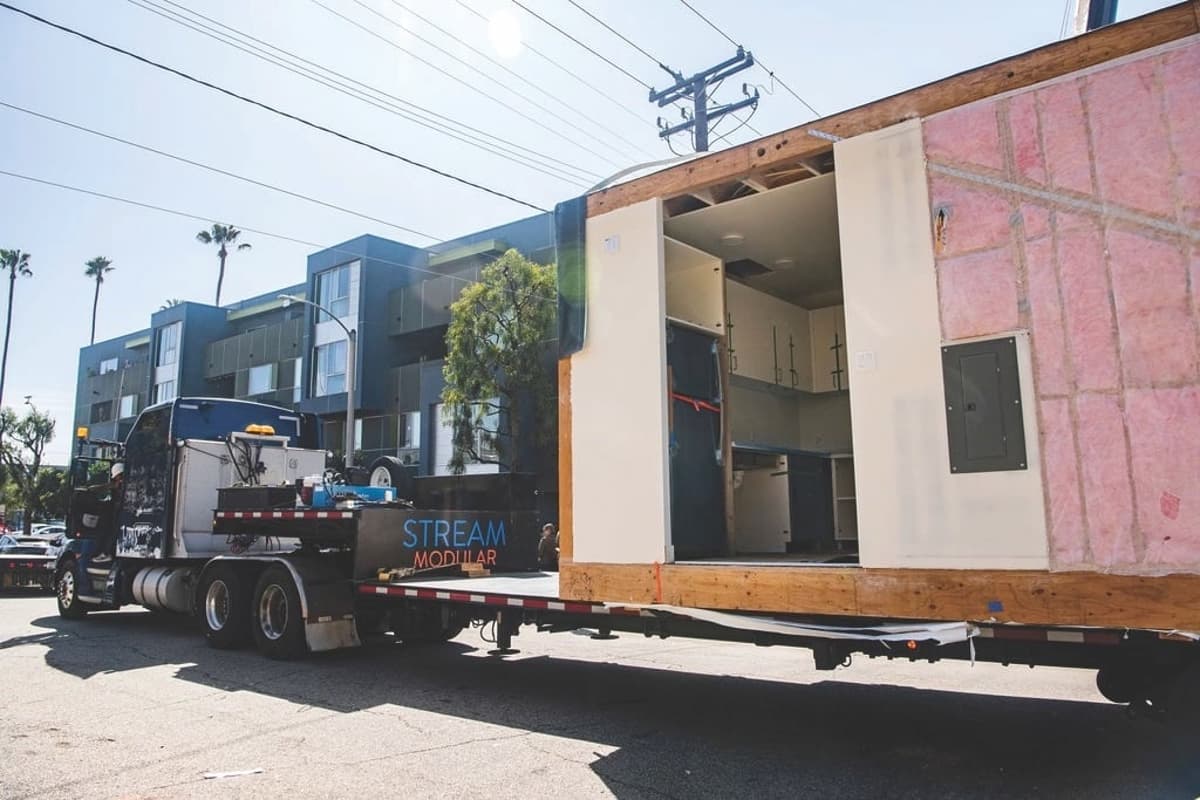
- •Plant Prefab fabricated units off‑site, cutting construction time
- •On‑site case management supports youth and families for economic mobility
- •All‑electric design includes solar panels, reducing operating costs
Pulse Analysis
California faces a deficit of roughly one million affordable homes, a gap that has driven policymakers and developers to explore faster, cost‑effective construction methods. Factory‑built or modular housing, where modules are produced in a controlled factory while the site is prepared, can compress timelines by months and lower labor overhead. The approach also improves quality control and reduces material waste, aligning with sustainability goals. As municipalities grapple with rising rents and homelessness, modular projects are emerging as a pragmatic response that can be deployed at scale without the lengthy permitting delays typical of traditional builds.
Berkeley Station, the first modular affordable‑housing complex in Santa Monica, illustrates that model in practice. Thirteen units were assembled by Plant Prefab at its Tejon Ranch factory and installed on‑site in just three days, a stark contrast to the year‑long schedules of conventional construction. Funding came from an $11.3 million Housing Trust Fund loan and 13 city vouchers, while the Community Corporation of Santa Monica retained ownership and development rights. Designed by Brooks + Scarpa using the award‑winning NEST Toolkit, the all‑electric building incorporates solar panels, a rooftop deck, and on‑site case management to support young adults and low‑income families.
The success of Berkeley Station sends a clear signal to other jurisdictions: modular construction can deliver high‑quality, affordable units quickly while embedding supportive services that promote long‑term stability. By pairing rapid delivery with on‑site social programming, cities can address both the supply shortage and the need for resident services that drive economic mobility. As state and local housing agencies allocate more grant money toward innovative building methods, the NEST Toolkit and similar design frameworks may become standard tools for developers. Replicating this model could accelerate progress toward closing California’s affordable‑housing gap.
Deal Summary
The Community Corporation of Santa Monica secured an $11.3 million Housing Trust Fund construction loan from the City of Santa Monica to fund Berkeley Station, the city’s first modular affordable housing development. The loan supports the construction of 13 apartments for low‑income families and young adults, marking a new model for efficient, all‑electric housing.
Comments
Want to join the conversation?
Loading comments...