Refugee Investment Facility Invests in LIFTA Kenya to Boost Water Access and Jobs for Refugees
Participants
Why It Matters
By linking capital to essential services, the investment tackles both humanitarian needs and economic inclusion, setting a replicable model for impact investors targeting displaced populations. It also demonstrates how private‑sector solutions can de‑risk service delivery in fragile settings.
Key Takeaways
- •RIF backs LIFTA Kenya to scale water and recycling services
- •Investment targets 300,000+ refugees in northern Kenya
- •Project creates jobs while improving safe drinking water
- •Blended finance bridges humanitarian aid and private capital
- •Model could be replicated across other refugee‑hosting regions
Pulse Analysis
European‑sourced impact capital is increasingly flowing into refugee‑hosting economies, and the Refugee Investment Facility’s stake in LIFTA Kenya exemplifies that shift. The RIF, which pools donor and private funds, seeks to generate measurable social returns alongside modest financial gains. By focusing on water treatment and recycling, the vehicle addresses two of the most pressing challenges in Kenya’s Dadaab and Kakuma camps: scarcity of clean water and limited livelihood options for displaced residents. This strategic allocation underscores a broader trend where investors demand clear impact metrics, such as the number of households gaining access to safe water or the jobs created in local supply chains.
LIFTA Kenya’s core technology treats wastewater through low‑energy filtration and repurposes by‑products for agricultural use, a model well‑suited to arid regions where water is a premium commodity. The new capital will fund the construction of additional treatment plants, expand distribution networks, and train local technicians, directly translating into employment opportunities for refugees and host‑community members alike. Early pilots have already delivered potable water to over 10,000 households, reducing reliance on costly water trucking and improving health outcomes. Scaling these operations could cut water‑borne disease rates and lower household expenditures on water, freeing income for education and small‑business ventures.
The LIFTA deal signals to the broader blended‑finance market that refugee‑focused investments can be both financially viable and socially transformative. As donor agencies and impact funds look to de‑risk projects, partnerships with proven local enterprises become essential. Successful outcomes in Kenya could catalyze similar investments in other high‑need regions, from East Africa to the Middle East, where displaced populations face chronic service gaps. For investors, the appeal lies in quantifiable impact—clean water access, job creation, and environmental benefits—paired with the potential for modest returns, making refugee‑host economies an emerging frontier for sustainable capital deployment.
Deal Summary
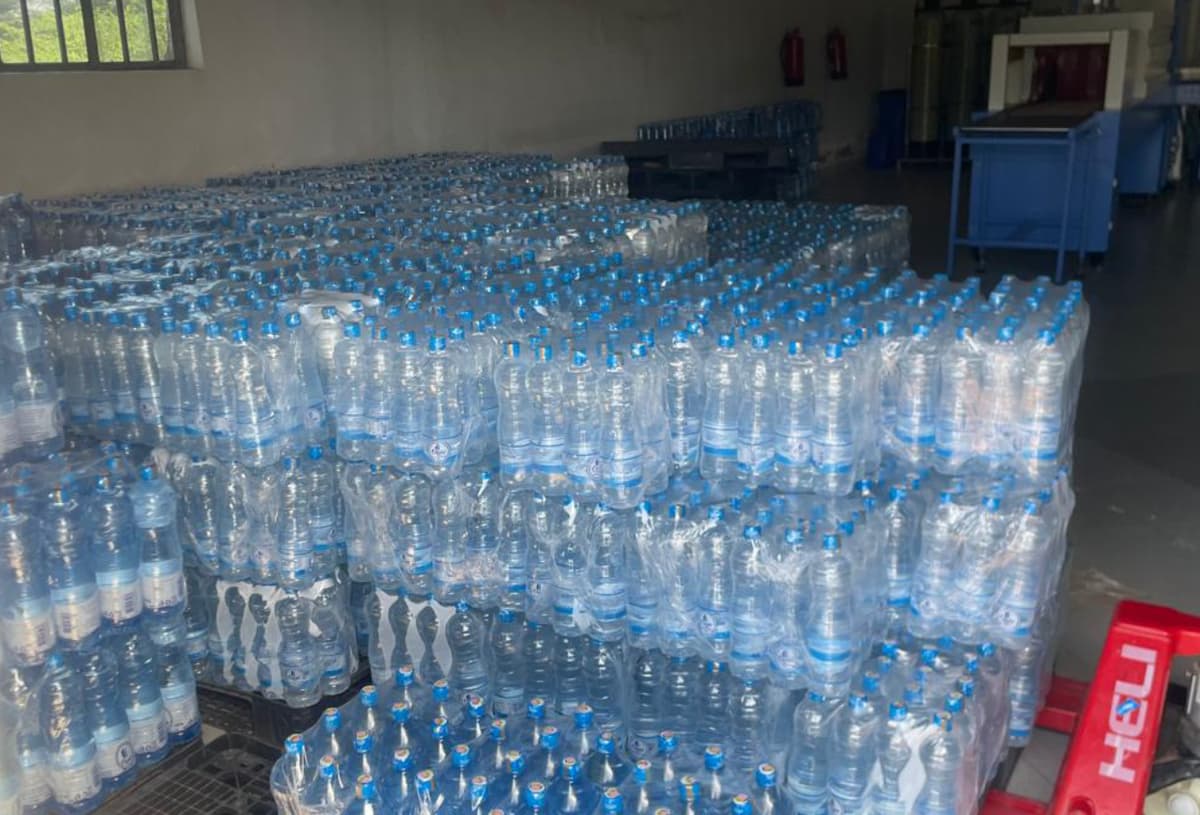
The Refugee Investment Facility has invested in LIFTA Kenya, a water and recycling company serving an area with over 300,000 refugees and asylum seekers. The funding aims to improve safe drinking water access and create employment opportunities for the refugee population. Deal value was not disclosed.
Comments
Want to join the conversation?
Loading comments...