Finance News and Headlines
  • All Technology
  • AI
  • Autonomy
  • B2B Growth
  • Big Data
  • BioTech
  • ClimateTech
  • Consumer Tech
  • Crypto
  • Cybersecurity
  • DevOps
  • Digital Marketing
  • Ecommerce
  • EdTech
  • Enterprise
  • FinTech
  • GovTech
  • Hardware
  • HealthTech
  • HRTech
  • LegalTech
  • Nanotech
  • PropTech
  • Quantum
  • Robotics
  • SaaS
  • SpaceTech
AllNewsDealsSocialBlogsVideosPodcastsDigests

Finance Pulse

EMAIL DIGESTS

Daily

Every morning

Weekly

Sunday recap

NewsDealsSocialBlogsVideosPodcasts
FinanceNewsA CFO’s Greatest Asset? Getting Comfortable With Complexity
A CFO’s Greatest Asset? Getting Comfortable With Complexity
CEO PulseFinanceBanking

A CFO’s Greatest Asset? Getting Comfortable With Complexity

•January 23, 2026
0
StrategicCFO360 (Chief Executive Group)
StrategicCFO360 (Chief Executive Group)•Jan 23, 2026

Why It Matters

The CFO’s multi‑disciplinary approach enables rapid growth and risk resilience, setting a benchmark for community banks navigating tighter regulations and market volatility.

Key Takeaways

  • •CFO oversees board, SEC, compliance, treasury, HR.
  • •Bank expands depositor base into San Francisco, Walnut Creek.
  • •Liquidity risk managed via daily monitoring and forecasts.
  • •Operational risk mitigated through internal control audits and remediation.
  • •Complex problem solving and clear communication are essential.

Pulse Analysis

Community banks are increasingly becoming financial hubs for diverse local economies, and the CFO’s role reflects that shift. Beyond traditional accounting, modern CFOs like Heather Luck must integrate regulatory expertise, strategic planning, and technology adoption. By establishing a dedicated SEC reporting infrastructure, Five Star Bank not only meets compliance mandates but also leverages data analytics to deliver profitability dashboards, giving executives real‑time visibility into performance and enabling faster decision‑making.

Risk management has emerged as a core competency for CFOs, especially amid uncertain macroeconomic conditions. Luck’s approach combines granular liquidity monitoring—daily, weekly, and monthly—with forward‑looking forecasts to pre‑empt cash flow disruptions. Simultaneously, operational risk is curbed through rigorous internal control audits, ensuring that processes, people, and systems function as intended. Transparent, frequent communication with stakeholders further mitigates uncertainty, fostering trust among board members, investors, and regulators.

The skills honed in this environment are highly transferable across sectors. A deep accounting foundation, coupled with the ability to dissect complex problems and convey solutions succinctly, equips finance leaders for roles in fintech, corporate treasury, or even non‑financial industries undergoing digital transformation. As community banks continue to expand and adopt sophisticated reporting tools, the CFO’s capacity to navigate complexity will remain a decisive factor in sustaining growth and safeguarding stability.

A CFO’s Greatest Asset? Getting Comfortable With Complexity

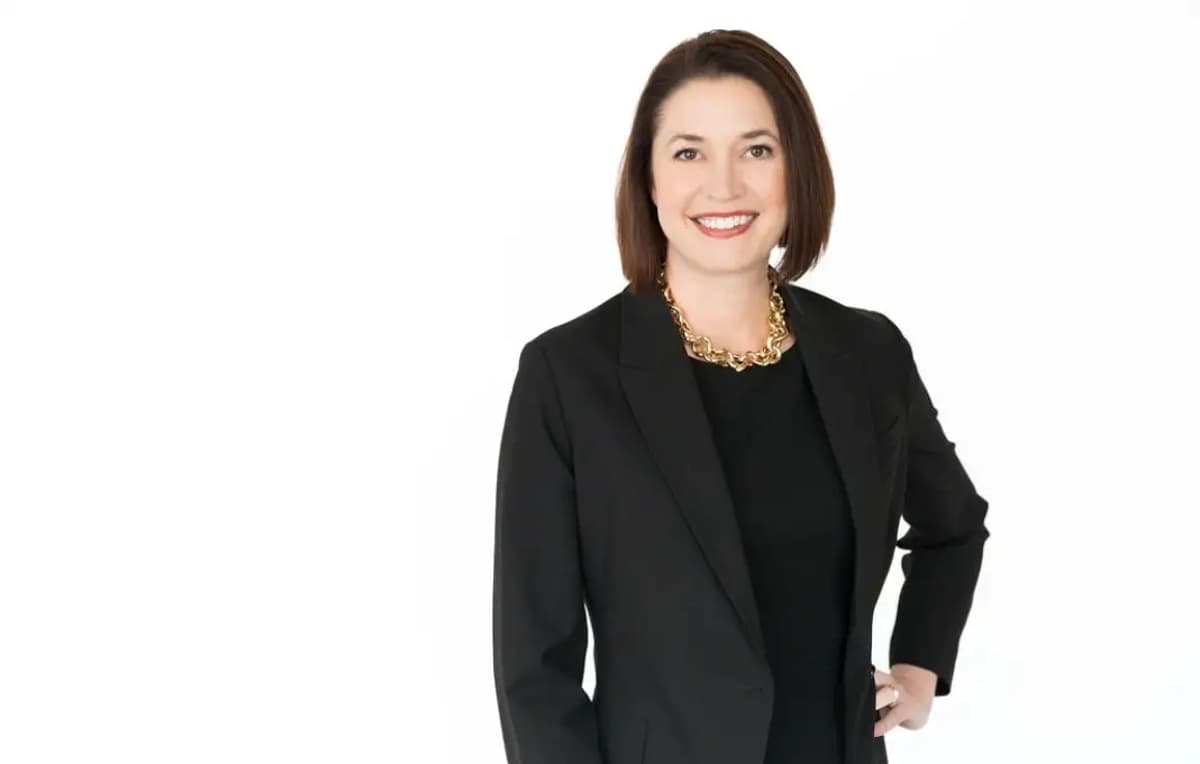
By Katie Kuehner‑Hebert · Courtesy of Heather Luck

A former auditor shares what she’s learned since becoming CFO of a community bank.

Community banking comes with its own set of finance risks. But there are challenges that CFOs share wherever they practice.

One of those is the increasing complexity of the finance role. Heather Luck, CFO of Five Star Bank based in Roseville, California, spoke with CFO Leadership about mitigating risk, wearing multiple hats and learning how to be a better communicator.


What attracted you to join a community bank?

Prior to joining Five Star Bank, I was an auditor for Ernst & Young for eight years at the Sacramento and Los Angeles offices. During my time there, I was fortunate enough to serve clients in several different industries who ranged in size and complexity, which was my favorite part of public accounting.

From that perspective, community banking was a perfect fit for me as our clients operate in varying industries, and I can now be more involved in supporting our clients’ growth by providing a full suite of banking and financial services to meet their specific needs.

What’s it like being a CFO at a community bank?

I wear many hats at Five Star Bank. These include heavy involvement with our board of directors, oversight of SEC reporting and investor relations, regulatory reporting and compliance, treasury management, regular and routine financial statement audits, budgeting and forecasting, and human resources.

What are some specific financial goals for the bank?

One of our financial goals is to grow our depositor base, which we’re accomplishing through our expansion into the San Francisco Bay Area and Central Valley. We opened our first San Francisco branch in the financial district downtown in September 2024, and recently announced our expansion into the Walnut Creek market.

Another priority is the continued expansion and improvement of financial reporting. We went public in 2021, so the first few years really focused on building out our SEC reporting function, including the implementation of a robust financial reporting system and platform to file reports with the SEC directly. This improved both the accuracy and speed with which our reports and filings can be completed.

Now that these have been built out, we’re leveraging that technology to create profitability modules to provide a higher degree of visibility to our management team and board regarding our operational results.

What are your best practices for risk management and stakeholder communication during uncertain economic times?

The best way to ensure proper risk management is to have a clear understanding of where risk could occur, both due to internal and external factors. Once the risks have been identified, then you can identify and implement solutions and/or processes to mitigate that risk.

During uncertain economic times, the best strategy is to communicate clearly, effectively and frequently to ensure that all stakeholders are informed as new developments arise.

Please detail two or three examples of specific risks that your bank is exposed to and how you are personally involved in managing them.

Liquidity risk – the risk to earnings and capital arising from an inability to meet obligations when they come due.

My team has a robust, mature program in place for liquidity management, which includes monitoring our liquidity on a daily, weekly and monthly basis as well as liquidity forecasts to ensure that we anticipate as many fluctuations as possible. We also work very closely with our business development and operations teams in situations where unanticipated outflows or inflows occur.

Operational risk – the risk to earnings or capital arising from inadequate or failed internal processes, people and systems, or from external events.

To manage this risk, I oversee our audits of internal controls, which ensure that we’re auditing and remediating any deficiencies identified related to controls surrounding all significant processes of the bank. This ensures that our processes are completed promptly and as designed.

What cross‑sector, transferable skills apply to CFOs and other financial professionals looking to make a career change?

Having a strong understanding of accounting is crucial for CFOs, regardless of the industry in which they work. Once you have that, you can layer in industry‑specific requirements for those looking to make a career change.

Additionally, being able to understand complex problems and communicate in a clear, concise manner is a skill that is difficult to master, but so effective once you are good at it.


About the author

Katie Kuehner‑Hebert has more than two decades of experience writing about corporate, financial and industry‑specific issues. She is based in Running Springs, California.

Read Original Article
0

Comments

Want to join the conversation?

Loading comments...