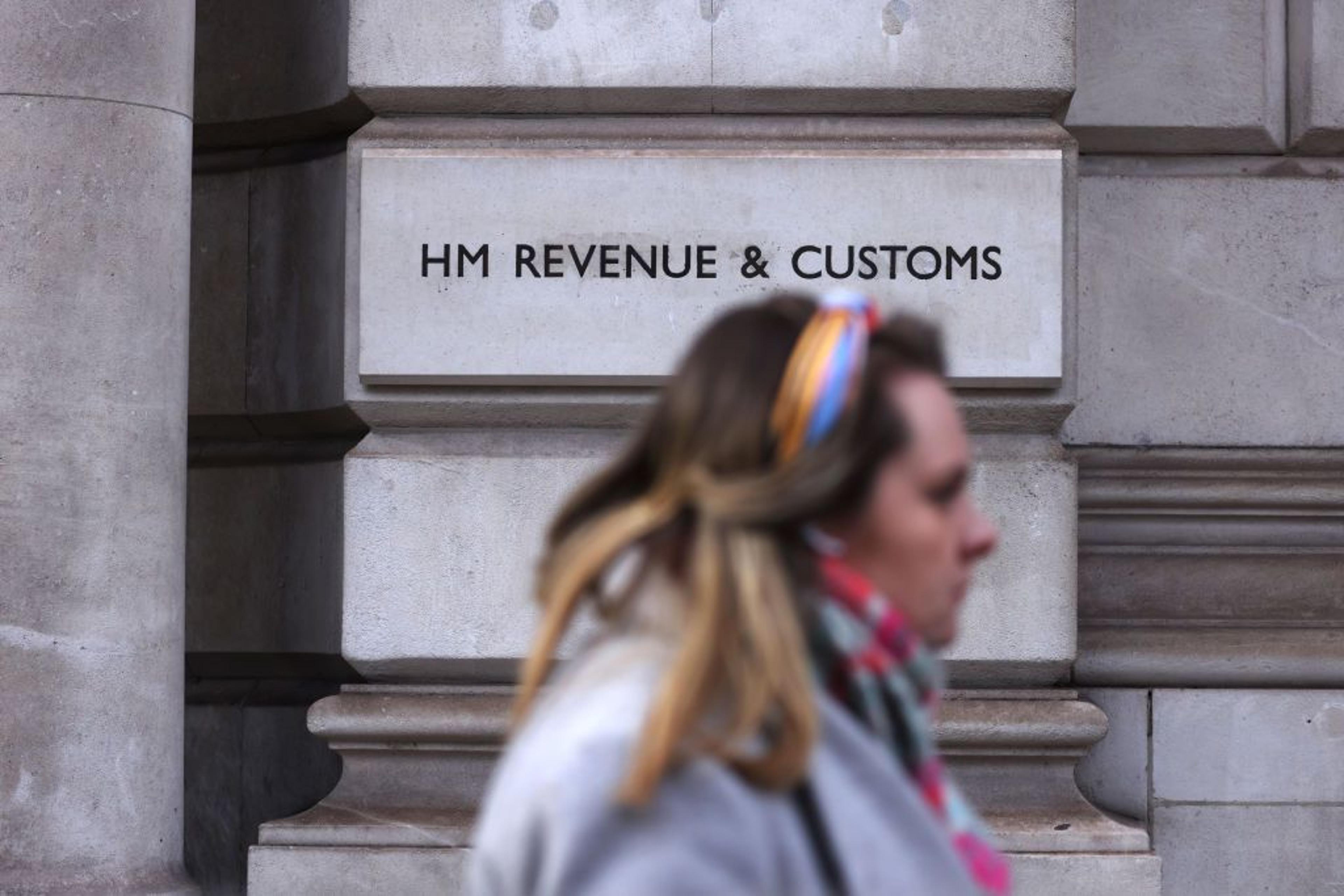
Average Income Tax by Area: The Parts of the UK Paying the Most Tax Mapped
•February 9, 2026
0
Why It Matters
The concentration of tax revenue in London and the South East highlights fiscal reliance on high‑earners, raising questions about regional equity and the long‑term competitiveness of the UK tax system.
Key Takeaways
- •London and South East pay 45% of UK income tax.
- •Wandsworth outpaces Leeds and Birmingham combined.
- •Fiscal drag boosts high‑earner tax contributions in London.
- •Additional‑rate threshold cut adds 232k taxpayers.
- •Tax reliance may spur high‑earner relocation risk.
Pulse Analysis
London’s dominance in the UK income‑tax pool reflects a broader geographic concentration of wealth. The region’s 63.8 billion pound contribution dwarfs the next‑largest area, the South East, and together they claim nearly half of all tax receipts. This imbalance is driven by a high density of professionals, financial services firms, and multinational headquarters that push more residents into the 45 % additional‑rate band. For policymakers, the data underscores how regional economic structures can shape national fiscal health.
Recent tax policy changes have amplified London’s share. The 2023 reduction of the additional‑rate threshold from £150,000 to £125,140 pulled an estimated 232,000 taxpayers into the top bracket, while frozen personal allowances since 2021 have created fiscal drag that nudges many more into higher rates. The average cash loss for high earners—£621 for incomes between £125,140 and £150,000 and £1,256 for those above £150,000—translates into substantial additional revenue, especially in areas with a concentration of top earners. These measures have helped the Treasury meet budget targets but also intensify the regional tax burden.
The reliance on London and the South East raises strategic concerns. Persistent pressure on high‑earners could incentivise relocation to lower‑tax jurisdictions, eroding the UK’s talent pool and long‑term growth prospects. Policymakers may need to consider broader reforms, such as adjusting thresholds, re‑balancing regional investment, or introducing targeted reliefs, to mitigate the risk of capital flight while preserving revenue stability. Understanding these dynamics is crucial for businesses and investors assessing the UK’s fiscal environment and its impact on regional competitiveness.
Average income tax by area: The parts of the UK paying the most tax mapped
Taxpayers in the London borough of Wandsworth paid more income tax than those in Leeds and Birmingham combined in 2022/23
Residents of Wandsworth paid £4.26 billion in income tax in 2022/23, more than the combined £4.23 billion paid by Leeds and Birmingham.
Taxpayers in the London borough of Hackney, who paid £1.54 billion in income tax in 2022/23, contributed more than the whole of Scotland’s second‑largest city, Glasgow, where residents paid £1.35 billion.
Overall, London and the South East contributed 45 % of the UK’s total income‑tax bill of £240.7 billion in 2022/23, according to analysis of HMRC figures by accountancy firm UHY Hacker Young.
According to UHY Hacker Young’s research, all top‑20 areas in the UK for the highest tax per capita are in London or the South East, in part due to frozen tax thresholds and fiscal drag.
“London and the South East now account for almost half of the UK’s entire income tax take. Obviously, that reflects the sheer concentration of high earners in the South East but it also reflects years of tax policy geared towards shifting more of the tax burden onto higher earners.”
— Neela Chuahan, partner at UHY Hacker Young
Top 20 highest total income tax paid by area in 2022/23
| Rank | Area | Total tax paid (£ billion) |
|------|------|---------------------------|
| 1 | London | 63.8 |
| 2 | South East | 44.6 |
| 3 | East of England | 25.2 |
| 4 | North West | 18.6 |
| 5 | South West | 16.8 |
| 6 | Scotland | 16.2 |
| 7 | West Midlands | 14.4 |
| 8 | Yorkshire and the Humber | 12.8 |
| 9 | East Midlands | 12.5 |
| 10 | Surrey County | 9.95 |
| 11 | Hertfordshire County | 7.41 |
| 12 | Greater Manchester Metropolitan County | 6.76 |
| 13 | Wales | 6.53 |
| 14 | Essex County | 6.40 |
| 15 | Kent County | 6.23 |
| 16 | Hampshire County | 6.14 |
| 17 | West Midlands Metropolitan County | 5.58 |
| 18 | North East | 5.49 |
| 19 | West Yorkshire Metropolitan County | 5.31 |
| 20 | Kensington and Chelsea | 5.20 |
Source: UHY Hacker Young based on HMRC data
A decade of income‑tax rises
Since April 2016, London’s income‑tax contributions have jumped 80.7 % from £35.3 billion to £63.8 billion, compared with a 48.4 % increase for the rest of the UK.
Because London and the South East host a disproportionate number of high earners paying tax at the 45 % rate, these areas consistently contribute a larger share of income tax than other parts of the country.
The additional‑rate threshold was lowered from £150,000 to £125,140 in April 2023. Around 232,000 taxpayers now pay the additional rate who would not have done so under the higher threshold. For those with income between £125,140 and £150,000, the average cash loss was £621 in 2023‑24; for those earning above £150,000, the average loss was £1,256.
At the same time, personal allowances and higher‑rate thresholds have been frozen since April 2021, dragging more people into higher tax bands—a process known as fiscal drag.
“Freezing allowances and lowering the additional‑rate threshold has pulled ever more taxpayers into higher bands, driving a sharp rise in revenues from London in particular – up more than 80 % over the past decade.”
— Chauhan
“While this underlines how dependent the Exchequer has become on London and the South East, it also raises concerns about the long‑term competitiveness of the UK tax system and the risk that persistently higher tax burdens could push some high earners to relocate abroad or reduce their economic activity.”
— Chauhan
Top 20 UK boroughs and towns paying the highest income‑tax bills in 2022/23
| Rank | Area | Average income tax paid (£) |
|------|------|-----------------------------|
| 1 | Kensington and Chelsea | 73,800 |
| 2 | City of London | 48,900 |
| 3 | Westminster | 43,700 |
| 4 | Camden | 34,600 |
| 5 | Elmbridge | 28,500 |
| 6 | Richmond upon Thames | 26,500 |
| 7 | Hammersmith and Fulham | 24,800 |
| 8 | Wandsworth | 22,500 |
| 9 | Islington | 20,500 |
| 10 | St Albans | 18,400 |
| 11 | Sevenoaks | 16,700 |
| 12 | Merton | 16,300 |
| 13 | Waverley | 16,200 |
| 14 | Windsor and Maidenhead UA | 15,500 |
| 15 | Guildford | 14,800 |
| 16 | Barnet | 14,000 |
| 17 | Southwark | 14,000 |
| 18 | Tandridge | 13,900 |
| 19 | Lambeth | 13,400 |
| 20 | Brentwood | 13,100 |
Source: UHY Hacker Young based on HMRC data
0
Comments
Want to join the conversation?
Loading comments...