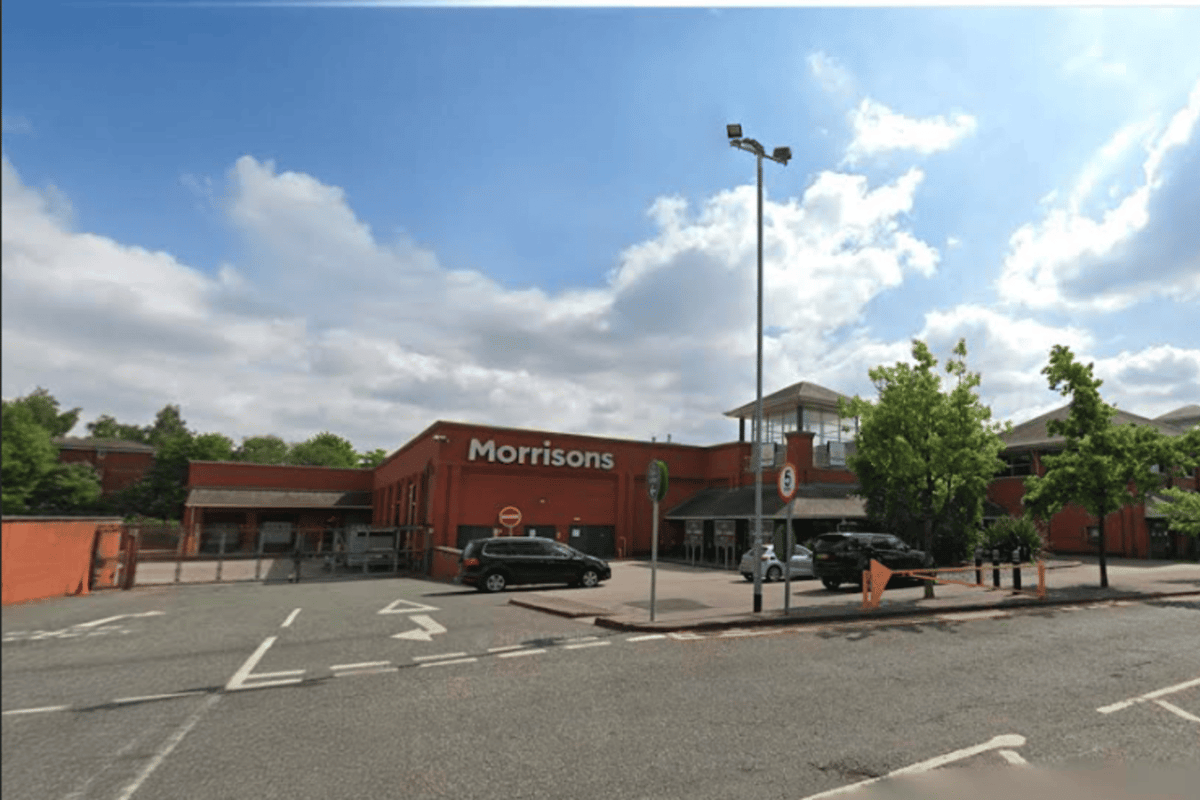
Blackstone, Saudi Wealth Fund Collect £4m Dividends From Four Morrisons Stores
Companies Mentioned
Why It Matters
The dividend underscores how sale‑and‑leaseback structures can deliver immediate returns to investors while allowing retailers to adopt a capital‑light model, reshaping the UK grocery landscape.
Key Takeaways
- •Blackstone and Saudi fund earned $5.1m dividends from four Morrisons sites
- •Acquisition cost $140m funded by $84m loan from Leumi Bank
- •Rents rose 11.2% to $11.8m in 2025, profit $2.8m
- •Sale‑and‑leaseback lets retailers free cash, shifting to capital‑light
- •Asda and Whitbread also using asset‑sale strategies
Pulse Analysis
Sale‑and‑leaseback arrangements have become a cornerstone of the UK retail real‑estate market, allowing chains to convert illiquid property into cash while transferring ownership to investors. By selling the freehold of stores and leasing them back, retailers such as Morrisons can reduce balance‑sheet debt and focus on core operations. This model mirrors moves by Asda, which partnered with the Issa brothers and TDR Capital, and Whitbread’s recent £1.5 billion hotel freehold sale, signaling a broader shift toward capital‑light strategies across the sector.
For Blackstone and the Saudi sovereign wealth fund, the Morrisons deal illustrates how private‑equity capital can capture stable, inflation‑linked yields from essential‑service assets. The $84 million Leumi Bank loan leveraged the $140 million purchase, yet the portfolio delivered $11.8 million in rent and a $2.8 million profit in 2025—an 11.2% rent increase and near‑doubling of earnings year‑over‑year. Such returns appeal to institutional investors seeking predictable cash flow amid volatile equity markets, reinforcing the attractiveness of retail property as a defensive asset class.
The broader implication for the UK economy is a reallocation of capital from property ownership to operational agility. While freeing cash can help supermarkets invest in technology, logistics, and price competition, it also raises questions about long‑term lease costs and landlord concentration. As inflation eases and consumer spending stabilises, landlords will likely negotiate higher lease rates, potentially squeezing retailer margins. Nonetheless, the continued appetite for sale‑and‑leaseback deals suggests that both investors and retailers view the arrangement as a pragmatic response to tighter monetary policy and the need for financial resilience.
Blackstone, Saudi wealth fund collect £4m dividends from four Morrisons stores
Comments
Want to join the conversation?
Loading comments...