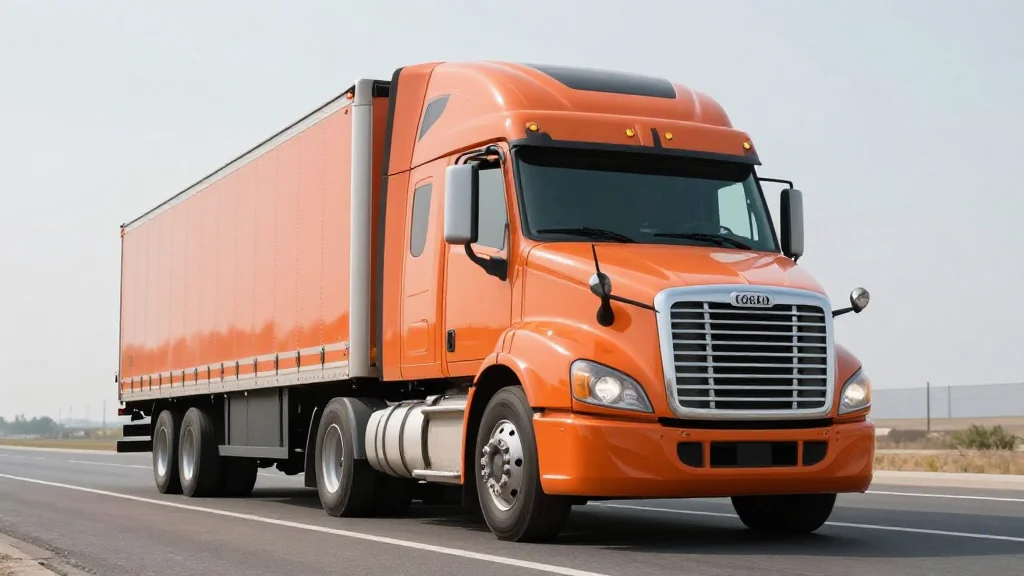
FedEx Spins Off FedEx Freight Into New Company
Why It Matters
The split allows FedEx to sharpen its core parcel business while giving FedEx Freight a focused platform to navigate a volatile LTL market, potentially unlocking shareholder value for both companies.
Key Takeaways
- •FedEx Freight becomes independent LTL carrier after June 1 spin‑off
- •New entity posted $8.7 bn FY2025 revenue, largest in LTL market
- •FedEx Q3 revenue rose 8.1% to $24 bn, net income $1.35 bn
- •LTL shipments fell 6% in Q3, Freight revenue down 5%
- •CEO John Smith returns, bringing 40 years LTL expertise
Pulse Analysis
The FedEx spin‑off reflects a broader trend of logistics firms untangling diversified operations to sharpen strategic focus. By carving out its less‑than‑truckload (LTL) business, FedEx can concentrate on high‑margin parcel delivery, while the newly independent Freight unit gains the flexibility to invest in technology, fleet upgrades, and pricing models tailored to a fragmented LTL landscape. Investors often reward such clarity, as each company can now be evaluated on distinct growth drivers and risk profiles.
Financially, the separation comes at a pivotal moment. FedEx reported an 8.1% year‑over‑year revenue increase to $24 billion in its most recent quarter, driven by robust e‑commerce demand. In contrast, FedEx Freight faced a 6% dip in shipment volume and a 5% revenue decline, underscoring the pressure on LTL rates amid a softening industrial economy. Nevertheless, higher per‑shipment pricing helped cushion the impact, and the company projects only low‑single‑digit revenue contraction for FY 2026. This divergence highlights the importance of dedicated capital allocation and operational agility for each business.
For shippers and investors, the split promises clearer service contracts and potentially more competitive pricing. Retailers that rely on FedEx for fulfillment—over 900 of the top 2,000 online sellers—will continue to benefit from integrated parcel services, while those with heavy freight needs can negotiate directly with a pure‑play LTL carrier. As the logistics sector grapples with fuel cost volatility and geopolitical risks, the ability of each entity to respond swiftly could set a new benchmark for efficiency and profitability in the supply‑chain ecosystem.
FedEx spins off FedEx Freight into new company
Comments
Want to join the conversation?
Loading comments...