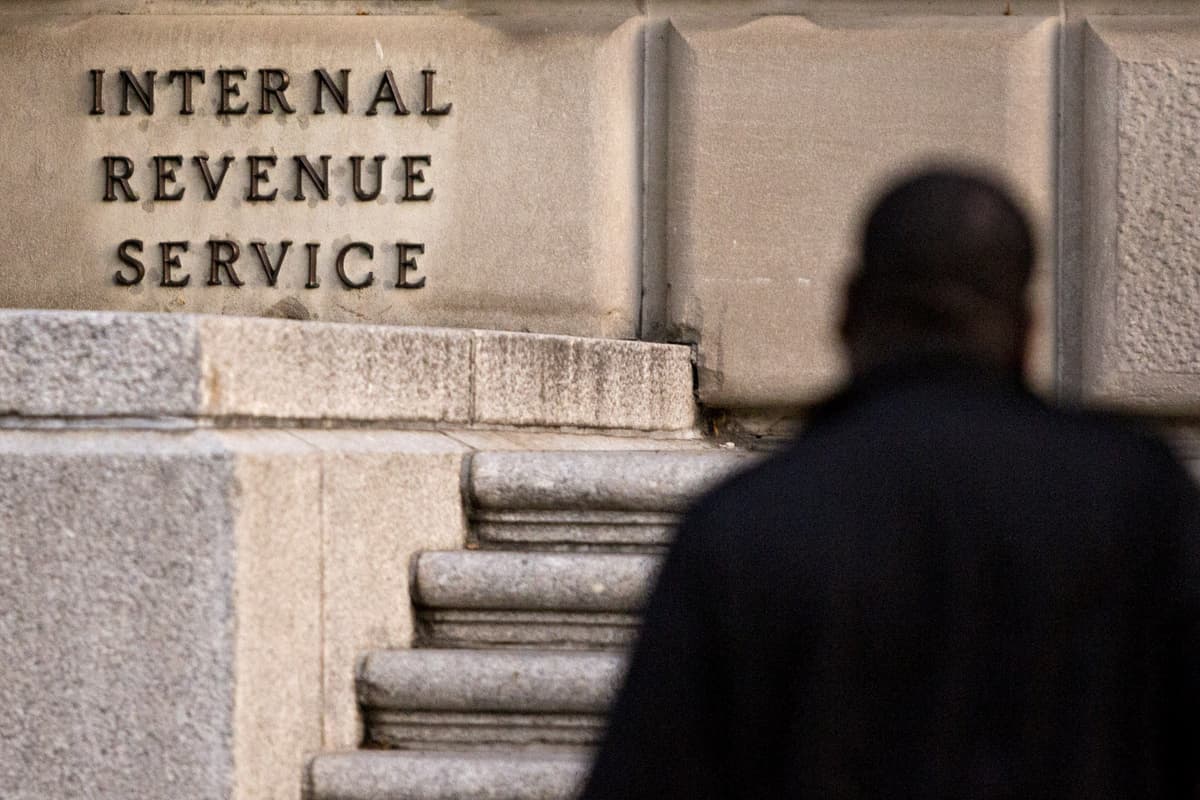
GAO Calls for Stricter IRS Oversight of Tax Preparers
•February 24, 2026
0
Why It Matters
Without broader IRS oversight, taxpayer errors and revenue losses could persist, pressuring lawmakers to address a long‑standing regulatory gap.
Key Takeaways
- •Unenrolled preparers cause higher error rates.
- •IRS lacks authority to regulate non‑credentialed preparers.
- •GAO urges Congress to grant IRS oversight powers.
- •Half of taxpayers used paid preparers FY2024.
- •Industry backs education over licensing.
Pulse Analysis
The GAO’s latest findings revive a debate that has lingered since the Obama‑era Registered Tax Return Preparer Program was invalidated in 2013. That program once required testing and continuing‑education for unenrolled preparers, but the courts ruled the IRS lacked statutory authority. As a result, the current voluntary Annual Filing Season Program offers only limited guidance, leaving many taxpayers vulnerable to mistakes that can trigger audits, penalties, or lost credits. By quantifying the error disparity between unenrolled preparers and credentialed professionals, the report underscores a systemic risk that could erode federal revenue by billions over time.
Legislative inertia has kept the status quo, despite periodic bills aimed at expanding IRS jurisdiction. The GAO’s recommendation to grant the agency explicit power to set professional qualifications, enforce security protocols, and impose penalties could reshape the tax preparation landscape. Such authority would enable the IRS to mandate minimum competency standards, similar to licensing regimes in other service industries, and to conduct more robust oversight of e‑file providers. This shift could also harmonize state‑level regulations, reducing the patchwork of requirements that currently exists across the country.
Industry stakeholders, like the National Association of Tax Professionals, favor enhanced education rather than strict licensing, arguing that a baseline of continuing‑education and ethical training would improve consumer protection without stifling the market. If Congress acts on the GAO’s advice, the IRS could implement a tiered certification system, combining mandatory education with periodic competency assessments. This would likely lower error rates, protect taxpayers, and safeguard revenue, while preserving the flexibility that many small‑firm preparers value. The conversation now centers on balancing regulatory rigor with the practical realities of a diverse tax‑preparer ecosystem.
GAO calls for stricter IRS oversight of tax preparers
0
Comments
Want to join the conversation?
Loading comments...