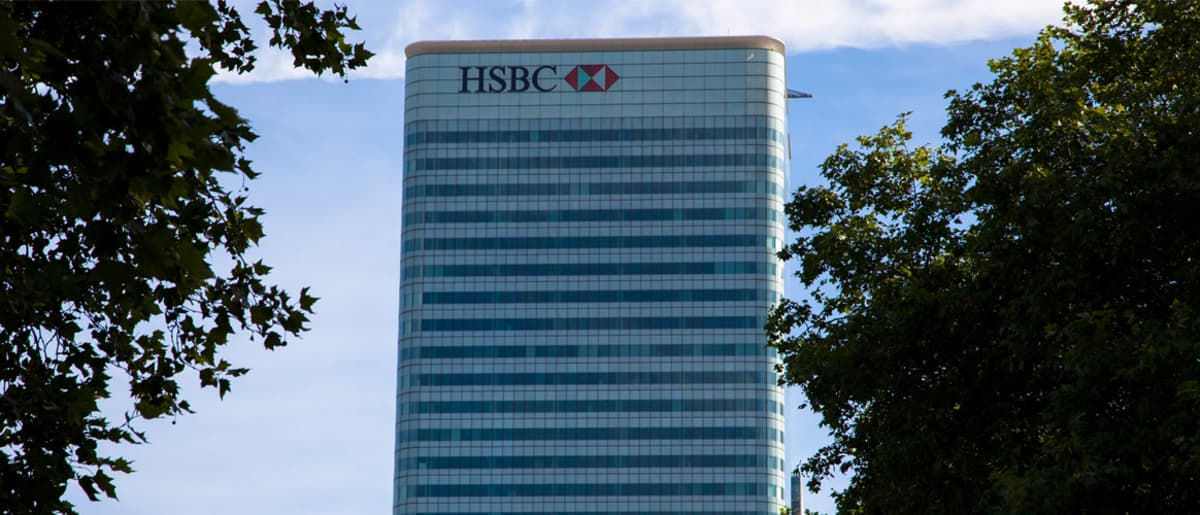
Investors Ask UK Watchdog to Review HSBC’s Climate Accounting

Why It Matters
Enhanced climate accounting could reshape risk assessment for UK banks and accelerate alignment with global ESG standards, affecting capital allocation and investor confidence.
Key Takeaways
- •NEST and Akademiker Pensions co‑sign Sarasin letter to FRC
- •Investors claim HSBC’s climate data misaligns with EU taxonomy
- •FRC’s review could tighten UK climate‑reporting rules
- •Potential reputational risk for HSBC if disclosures stay unchanged
- •Broader push may force UK banks to adopt stricter ESG metrics
Pulse Analysis
The United Kingdom’s Financial Reporting Council is under pressure to tighten its oversight of climate‑related financial disclosures after a group of pension funds and asset managers raised concerns about HSBC’s reporting practices. HSBC, the world’s largest bank by assets, has published a climate strategy that emphasizes net‑zero commitments, yet investors argue that the methodology used to calculate exposure and transition risk diverges from the EU taxonomy and the UK’s own forthcoming standards. This disconnect raises questions about the reliability of the data that investors rely on for portfolio risk assessments.
In response, NEST, the government‑backed pension scheme, and Sweden’s Akademiker Pensions joined forces with Sarasin & Partners to submit a formal letter to the FRC. The letter requests a comprehensive review of HSBC’s climate accounting, urging the regulator to ensure that the bank’s disclosures are transparent, comparable, and aligned with best‑practice frameworks. By leveraging their collective assets under management, the signatories aim to signal that inadequate climate reporting is a material concern that could affect investment decisions and fiduciary duties.
The broader implication for the UK financial sector is significant. A stricter FRC stance could set a precedent, compelling other major banks to revisit their ESG metrics and adopt more rigorous scenario analysis. This move aligns with the UK’s ambition to become a global leader in sustainable finance, while also protecting investors from green‑washing risks. As regulators, investors, and banks converge on the need for consistent climate data, the outcome of this review may shape the next wave of ESG reporting standards across Europe.
Investors ask UK watchdog to review HSBC’s climate accounting
Comments
Want to join the conversation?
Loading comments...