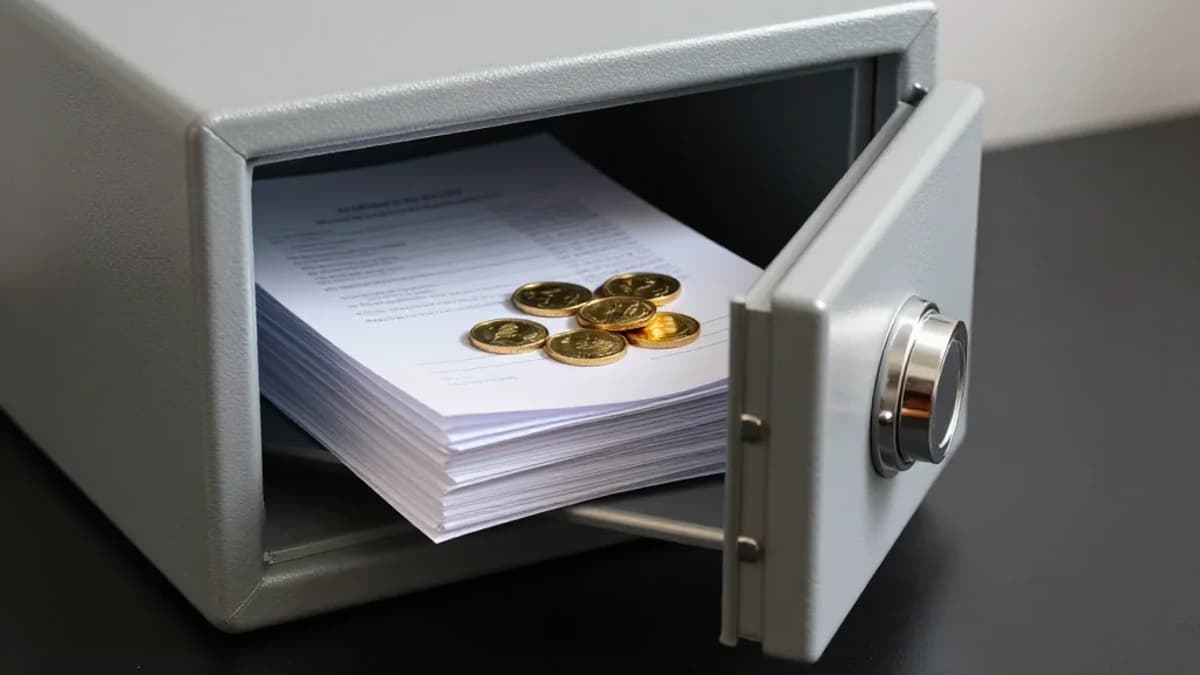
Timely detection of statement errors safeguards investors’ assets and preserves eligibility for SIPC coverage, while prompting corrective action reduces regulatory risk for brokerages.
Regularly scrutinizing brokerage statements is more than a bookkeeping habit; it is a frontline defense against hidden fees, misreported trades, and unauthorized transactions. Most investors skim summaries, missing discrepancies that can erode portfolio value or trigger compliance breaches. By treating each monthly or quarterly statement as a forensic snapshot, investors can quickly flag anomalies—such as unexpected cash movements or missing securities—and initiate corrective steps before errors compound.
The regulatory backdrop amplifies the stakes. The Securities Investor Protection Corporation (SIPC) offers limited coverage, but its protection hinges on investors actively disputing inaccuracies. Written complaints create a paper trail that regulators, including FINRA and state securities authorities, rely on when assessing broker‑dealer conduct. Moreover, documented communications can be pivotal in arbitration, ensuring that investors retain their claim rights and that firms meet reporting obligations, thereby enhancing market transparency.
Best‑practice recommendations now blend technology with diligence. Automated alerts from brokerage platforms can signal balance changes, while secure digital vaults store email and letter copies for easy retrieval. Investors should also maintain a log of broker interactions, noting dates, names, and outcomes. This disciplined approach not only shields individual portfolios but also pressures firms to tighten internal controls, ultimately fostering a more trustworthy investment ecosystem.
How Often Should You Review Your Brokerage Account Statements for Accuracy?
When was the last time you read your brokerage account statement? For many of us, the answer may be “a while ago” or maybe even “never.”
The best answer is: every month or quarter. Why? Because one of the best ways you can protect your investment portfolio is to monitor your holdings and activity. You should make it a habit to review online or paper account statements and trade confirmations on a regular basis. Review your statement as soon as you receive it to confirm it correctly reflects your investment decisions and any actions you made or authorized during the time the statement covers. Also, review your complete account statement; don’t just look at the summary page.
Most investors never experience mistakes or issues with their account statements. However, mistakes can happen; and when they do, it’s important to address them.
Do you see a trade, withdrawal or transfer that you did not discuss or authorize? Perhaps a new fee cropped up? Or maybe the cash balance in your account changed since your previous statement and you don’t know why.
Most of us promptly notify our bank or credit‑card company if we see a charge or other account activity we don’t recognize on our bank or credit‑card statements. However, regulators regularly speak with investors who have questions about their account statements or trade confirmations but are reluctant to contact anyone because they “aren’t sure anything is wrong” and “don’t want to get anyone in trouble.”
If you receive an account statement or trade confirmation and say nothing, there may be a presumption by the brokerage firm, a regulator or an organization such as SIPC that you authorized the trading or other activity in the account. If you did not authorize the trading or other activity, you should contact your broker immediately to question the inaccuracy or discrepancy. Keep written notes of your conversations, including names of people you spoke to, matters discussed, and the time and date of the conversation.
If you don’t address errors, the broker‑dealer, registered investment adviser firm, a regulator or an organization such as SIPC may presume that you authorized the trading or other activity in the account.
In addition to contacting your broker, there are some cases where it is also appropriate to send a written communication—via email or letter—to the brokerage firm’s branch manager or other representative. Your brokerage firm’s contact information should be available on your account statement as well as on the firm’s website. Remember to keep a copy of all written communications.
As noted on the SIPC website, “If you ever discover an error in a trade confirmation or brokerage statement, you should immediately bring the error to the attention of the brokerage firm in writing. Unless you complain in writing, your eligibility for SIPC protection may be compromised.”
1. Problems with Your Account Statement – You see something in your account statement that you did not authorize or that concerns you. Examples include:
Cash balances unexpectedly change:
An unforeseen increase in cash could result from a data‑entry error or indicate that someone sold securities without your consent.
An unexpected decrease could indicate an unauthorized purchase, transfer, or withdrawal.
Securities missing or otherwise unaccounted for.
Trades you did not authorize or that look unfamiliar.
Fees charged that you do not understand.
2. Errors on Your Trade Confirmation – For example, errors in the number of shares purchased or sold, or the price at which the trade occurred.
3. Troubling Responses from Your Broker – While most investment professionals will work hard to address your concerns, you might encounter red flags such as:
Unresponsiveness – Unreturned phone calls and limited or no response to emails or other written communications.
Disengagement – Statements like “everything’s fine” or “there’s nothing to worry about” even though the issue remains unresolved.
Unreliability – No follow‑through after promises that a situation is “being taken care of,” such as:
Claiming the problem is resolved but you have not received written verification or an amended statement.
Promising to reverse an unauthorized trade or redeposit funds, which never happens.
Inconsistency – Different answers about the resolution from your broker or from different individuals at the firm.
“Private” Communications or Settlement Offers – Using the broker’s personal email; attempts to settle “off the books” by writing a check, depositing money or securities, or providing other compensation without involving the branch manager or firm.
Sending written communication to the branch manager or the brokerage firm in each of these situations is important because it helps:
You: If the firm does not address the matter and it goes to arbitration or mediation, your written documentation can support your claims and preserve your eligibility for SIPC protection.
Other Investors: Your written communication alerts the firm to potentially questionable activity that they can investigate, possibly identifying and remediating similar harm to other investors.
The Brokerage Firm: Your written communication gives the firm an opportunity to educate brokers on procedures to prevent future errors, and, if necessary, to discipline employees. Firms also have a regulatory obligation to report certain incidents to regulators, and this information may become available to the investing public so investors can make informed decisions when choosing a broker or brokerage firm.
If you have contacted your broker, branch manager, or firm and they have not resolved the issue—or if you have additional concerns—contact FINRA online or by phone at (301) 590‑6500. You may also file a complaint using FINRA’s online Complaint Center or contact your State Securities Regulator.
FINRA Securities Helpline for Seniors
FINRA Investor Insights Article: Your Brokerage Account Statement: How to Read and Make Sense of It
NASAA, SIPC and SIFMA: Understanding Your Brokerage Account Statements
NASAA Investor Advisory: Understanding Broker‑Dealer Fees
Comments
Want to join the conversation?
Loading comments...