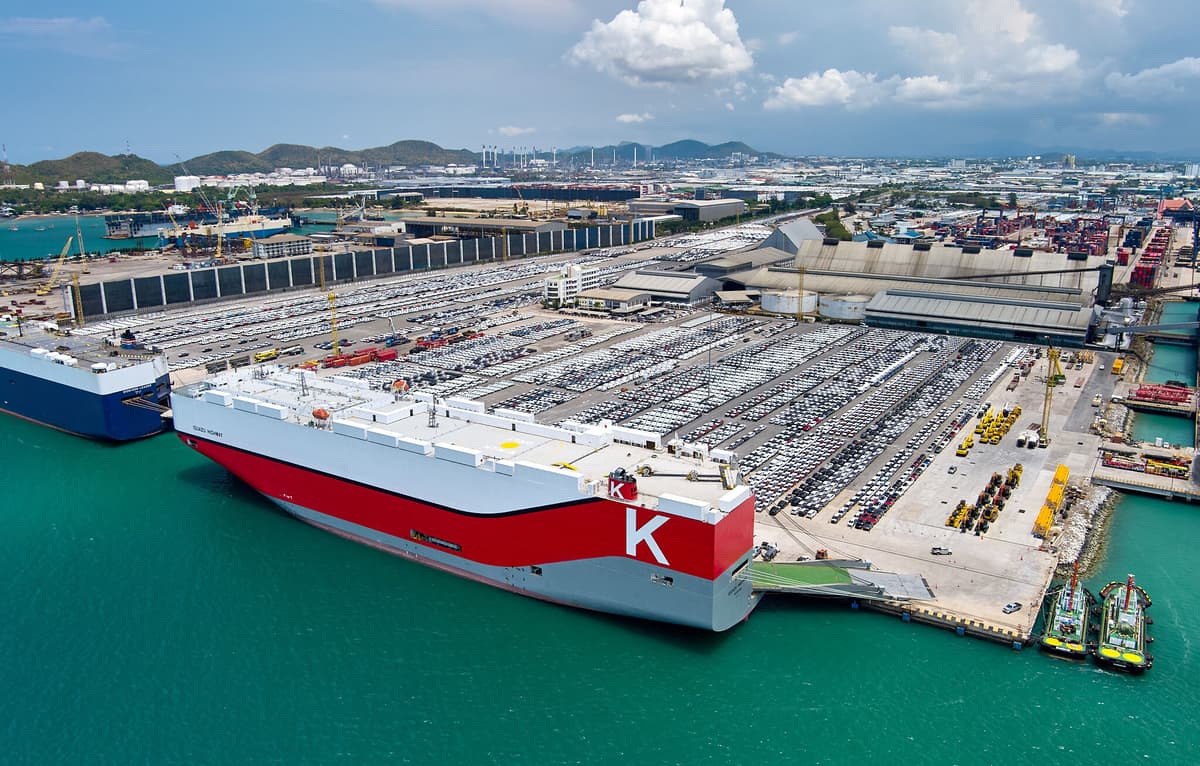
“K” LINE Signs Natural Capital-Focused Commitment Line Agreement
•February 27, 2026
0
Why It Matters
The deal demonstrates how shipping firms can access capital tied to biodiversity and ecosystem outcomes, accelerating industry‑wide ESG adoption and setting a replicable model for nature‑positive financing.
Key Takeaways
- •First natural‑capital financing in maritime sector
- •10 billion JPY, five‑year commitment line
- •KPIs linked to TNFD and biodiversity targets
- •Syndicate includes Mizuho, SMBC Trust, MUFG, Yokohama
- •Framework endorsed by JCR and UNDP
Pulse Analysis
The rise of natural‑capital finance reflects investors’ demand for measurable environmental outcomes beyond carbon metrics. In shipping, where oil spills, air emissions and marine biodiversity loss are persistent challenges, frameworks like Mizuho’s integrate the Taskforce on Nature‑related Financial Disclosures (TNFD) to quantify a company’s impact on ecosystems. By embedding these standards into loan covenants, lenders can reward genuine nature‑positive actions, creating a new risk‑adjusted pricing model for the sector.
K LINE’s five‑year, 10 billion JPY commitment line operationalises this approach. Mizuho Research & Technologies will assess the carrier’s performance against a suite of key performance indicators covering oil‑pollution prevention, emission reductions and marine habitat protection. Continuous monitoring and feedback loops ensure transparency, while the involvement of major Japanese banks provides the financial muscle needed for long‑term projects. The agreement also aligns with Japan’s Ministry of the Environment guidelines, adding regulatory weight to the initiative.
The broader implication is a potential cascade effect across global shipping. As the first maritime application of a natural‑capital financing scheme, K LINE sets a precedent that could unlock billions of dollars for greener fleets, incentivising competitors to adopt similar structures. Investors gain clearer metrics for nature‑related risk, while policymakers see a market‑driven pathway to meet biodiversity targets. If replicated, this model could reshape capital allocation in logistics, driving a more sustainable, nature‑positive future for the industry.
“K” LINE signs natural capital-focused commitment line agreement
0
Comments
Want to join the conversation?
Loading comments...