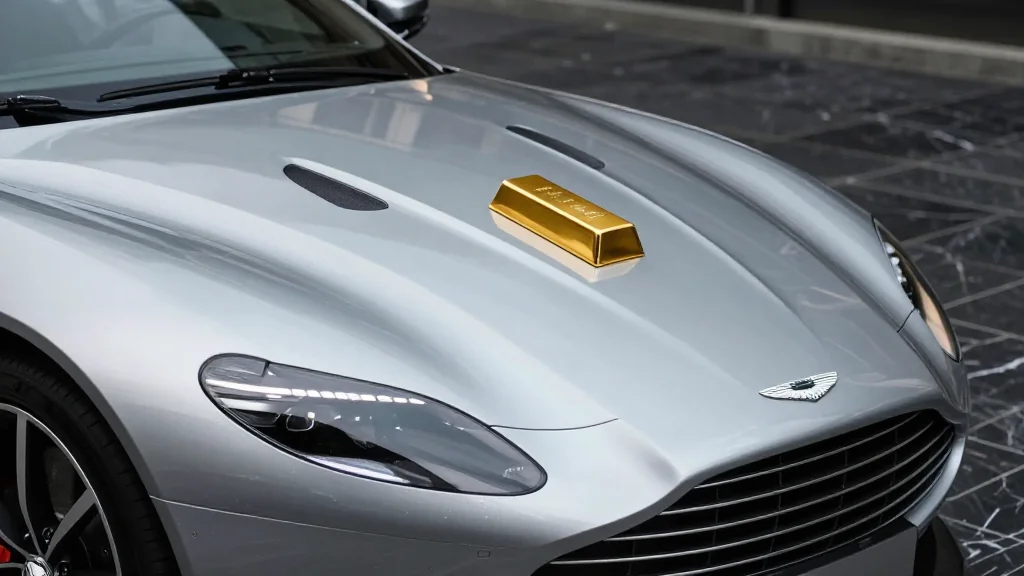
Loss-Making Aston Martin Gets $68 Million From Stroll-Led Group
Companies Mentioned
Why It Matters
The cash injection stabilizes Aston Martin’s balance sheet, giving the luxury automaker runway to execute its turnaround while signaling that major shareholders remain committed to its recovery.
Key Takeaways
- •Aston Martin secured £50 million ($68 million) financing from Stroll-led consortium
- •Liquidity rose to £230 million, narrowing quarterly loss to £56.9 million
- •Hybrid Valhalla sales and workforce cuts drove cost reductions
- •Shares jumped 6% after funding announcement, still far below 2018 peak
- •Stroll has invested £600 million since 2020, now holds ~33% stake
Pulse Analysis
Aston Martin’s latest financing move comes at a crossroads for the British marque. After years of cash burn exacerbated by U.S. tariffs on imported luxury vehicles and a sluggish Chinese market, the company turned to its largest shareholder, Lawrence Stroll, for a £50 million (≈ $68 million) bridge loan. The facility, part of a broader Yew Tree Consortium package, is secured against assets and carries a modest commitment fee, but its immediate effect is to boost liquid assets to roughly £230 million (≈ $312 million). This infusion narrows the quarterly adjusted operating loss to £56.9 million (≈ $77 million), a significant improvement over the prior year’s £189 million (≈ $257 million) deficit.
Cost discipline underpins the financial relief. Aston Martin has trimmed its workforce by about 20%, equivalent to laying off a fifth of its staff, and has leaned on the high‑margin hybrid Valhalla supercar to offset declining traditional model sales. The Valhalla’s strong demand highlights a market shift toward electrified performance vehicles, offering the brand a foothold in a segment where premium pricing can offset lower volumes. The combination of tighter cost structures and a product line that resonates with affluent buyers helped the company post a smaller‑than‑expected loss, prompting a 6% rally in its London‑listed shares despite the stock still trading far beneath its 2018 peak.
The broader luxury automotive landscape watches Aston Martin’s recovery as a bellwether for niche manufacturers navigating geopolitical headwinds. Stroll’s cumulative £600 million (≈ $816 million) investment since 2020 underscores the importance of shareholder capital in sustaining high‑cost, low‑volume brands. While the firm’s annual outlook remains unchanged, analysts expect the adjusted operating loss to narrow to about £92 million (≈ $125 million) this year, suggesting a gradual return to profitability. The funding episode also illustrates how strategic financing, combined with product innovation, can keep heritage marques afloat amid shifting consumer preferences and trade uncertainties.
Loss-making Aston Martin gets $68 million from Stroll-led group
Comments
Want to join the conversation?
Loading comments...